x

Käsinmaalattu öljyväri kankaalle haluamassasi koossa ja kehyksissä, taiteilijoidemme valmistamana tilauksesta. ( Osta printti Osta kuva)





























Valitse valmiista mitoistamme sellaiset, jotka vastaavat teoksen alkuperäisiä mittasuhteita.

Voit syöttää omat mitat sopimaan tiettyyn kehykseen tai tilaan. Jos valitsemasi koko ei vastaa alkuperäisen kuvan mittasuhteita, rajaamme taideteoksen tai jatkamme maalausta käsin maalatuilla elementeillä. Digitaalinen esikatselu lähetetään hyväksyttäväksi ennen tuotannon aloittamista.
Huomioithan, että näytöllä oleva esikatselu ei vastaa todellista rajausta tai jatkamista. Vain digitaalinen mallikuva näyttää lopullisen sommittelun tarkasti.
Vaikka mittatilaustyöt ovat mahdollisia, suosittelemme valitsemaan mitan ennalta määritetystä listasta alkuperäisten mittasuhteiden säilyttämiseksi.
Maailmanlaajuinen toimitus () 3–4 viikossa tavallisen 5 viikon sijaan. (19 elokuu). Laadusta ei tingitä.


Ratapoil
Replikaatin koko
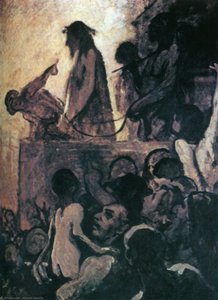
Honoré Daumier's "Ratapoil," created in 1850, isn’t merely a sculpture; it’s a distilled embodiment of the anxieties and frustrations simmering beneath the surface of mid-19th century France. This arresting figure, rendered in cast iron with a deliberate roughness that mirrors its subject matter, captures a moment of profound disillusionment – a silent indictment of societal hypocrisy and the precariousness of human existence. The sculpture’s power lies not just in its visual impact but in the potent historical context from which it emerged, reflecting the political unrest and social commentary prevalent during Daumier's prolific career.
Daumier’s technique is immediately striking. The figure stands with a pronounced limpness, leaning heavily on his cane – a visual metaphor for the burden of societal expectations and the limitations imposed upon him. The pose itself, a studied awkwardness, suggests a man weary of pretense and burdened by unseen struggles. Notice the deliberate imperfections in the cast iron; these aren’t flaws but rather integral to the sculpture's character, mirroring the rough edges of reality. The artist masterfully employed a technique known as "lost wax casting," allowing for intricate detail while maintaining a robust physicality. The surface is deliberately left unpolished, emphasizing the material’s inherent texture and adding to the sense of weathered resilience.
“Ratapoil” derives its name from a popular Parisian slang term for a “grumble-head,” someone prone to complaining. The figure’s expression is ambiguous, neither overtly angry nor mournful, but rather filled with a quiet resignation – a weary acceptance of his fate. The cane isn't simply a walking aid; it represents the tools he uses to navigate a world that seems determined to trip him up. It’s a symbol of both support and limitation, highlighting the complex relationship between individual agency and societal constraints. The man’s attire, simple and unadorned, further underscores his lack of privilege and reinforces the sculpture's message about social inequality.
Honoré Daumier was a pivotal figure in the development of French Realism. He used caricature, satire, and unflinching observation to expose the injustices and absurdities of his time. “Ratapoil” is part of a larger body of work that challenged the established order – depicting the lives of laborers, the plight of the poor, and the corruption within the political elite. Daumier’s art wasn't intended as mere entertainment; it was a deliberate act of social critique, offering a voice to those marginalized by society. His ability to capture the essence of human experience with such raw honesty cemented his legacy as one of France’s most important artists.
Reproductions of "Ratapoil" offer a remarkable opportunity to bring this powerful work into any interior space. The sculpture's inherent drama and symbolic weight make it an ideal addition to collections focused on social commentary, 19th-century art, or simply those seeking pieces that evoke contemplation and provoke thought. When displayed, “Ratapoil” serves as a potent reminder of the enduring relevance of Daumier’s message – a timeless exploration of human resilience in the face of adversity. Consider pairing it with other works that address themes of social justice or personal struggle to create a conversation within your collection.


1808 - 1879 , Ranska

Explore the profound history of sculpture, from classical realism to modern abstraction. Discover the mastery of form, texture, and medium through an expert art-historical lens designed for discerning collectors and enthusiasts.


Pysy ajan tasalla uusimmista taideuutisista, eksklusiivisista tarjouksista ja sisustusideoista.
Kerro meille projektistasi, niin taideasiantuntijamme tarjoavat sinulle kolme henkilökohtaista taidesuositusta.
Anna meidän kuratoida 3 vaihtoehtoa juuri sinulle – Ilmaiseksi!


 Esikatselu
 Jaa
Jaa Jaa
Jaa
 Tarkemmat tiedot

 Lataa
Lataa
 Samanlaisia
 Röntgenkuva
 Diaesitys


 Näytä lisää







 Lasivaihtoehto on saatavilla vain alle 110 cm kokoisina teoksina