


x

 Romanticism
 1812
1812 70.0 x 90.0 cm
 Brodsworth Hall
Käsinmaalattu öljyväri kankaalle haluamassasi koossa ja kehyksissä, taiteilijoidemme valmistamana tilauksesta. ( Osta printti Osta kuva)





























Valitse valmiista mitoistamme sellaiset, jotka vastaavat teoksen alkuperäisiä mittasuhteita.

Voit syöttää omat mitat sopimaan tiettyyn kehykseen tai tilaan. Jos valitsemasi koko ei vastaa alkuperäisen kuvan mittasuhteita, rajaamme taideteoksen tai jatkamme maalausta käsin maalatuilla elementeillä. Digitaalinen esikatselu lähetetään hyväksyttäväksi ennen tuotannon aloittamista.
Huomioithan, että näytöllä oleva esikatselu ei vastaa todellista rajausta tai jatkamista. Vain digitaalinen mallikuva näyttää lopullisen sommittelun tarkasti.
Vaikka mittatilaustyöt ovat mahdollisia, suosittelemme valitsemaan mitan ennalta määritetystä listasta alkuperäisten mittasuhteiden säilyttämiseksi.
Maailmanlaajuinen toimitus () 3–4 viikossa tavallisen 5 viikon sijaan. (20 elokuu). Laadusta ei tingitä.


Light Bay Mare
Replikaatin koko

James Barenger, born on Christmas Day 1780 in Kentish Town, London, was a pivotal figure in the burgeoning English School of painting—a movement that championed realism and meticulous observation of the natural world. His life’s trajectory mirrored the artistic fervor of his era, marked by familial connections to established craftsmen and an early embrace of artistic pursuits under the tutelage of his father, James Barenger Snr., a skilled metal chaser and artist who garnered acclaim for portraying insects at the Society of Artists and Royal Academy.
His brother Samuel Barenger (christened Major Samuel Barenger) followed in his father’s footsteps as an engraver, fostering a creative environment that nurtured their artistic sensibilities. From humble beginnings, James embarked on a distinguished career dedicated to capturing the essence of animal subjects—primarily horses and dogs—and depicting evocative hunting scenes with unparalleled detail.
Barenger's debut at the Royal Academy in 1807 signaled the commencement of his artistic journey, establishing him as one of London’s foremost painters. He resided primarily in Kentish Town during this formative period but later relocated to Camden Town, where he cultivated a prolific output that captivated discerning patrons and secured his place within the annals of British art history.
Throughout his lifetime, Barenger amassed considerable wealth through commissions from aristocratic families like the Tattersall family, further fueling his artistic endeavors. His paintings were reproduced extensively for sporting publications—most notably W. H. Scott’s *British Field Sports*, *The Sporting Repository*, *The Annals of Sporting* and *The Sporting Magazine*. Notably, Scott engraved Barenger's depiction of Blucher (ca. 1814), cementing the artist’s reputation as a masterful painter and engraver.
Beyond his artistic accomplishments, James Barenger was an avid breeder of pointer dogs—a passion that reflected his deep connection to the English countryside and its wildlife. He passed away peacefully on October 1st, 1831, finding rest in Old St Pancras churchyard, leaving behind a legacy of exquisite paintings that continue to inspire admiration for their technical precision and emotive power.
His contribution to British art history remains undeniable—a testament to his unwavering dedication to capturing the beauty and dynamism of the natural world through masterful observation and skillful execution.

1780 - 1831

Tutustu Sir Alfred James Munningsin 25 lumoavinta mestariteosta! Uppoudu brittiläisen maalaisidyllin ja hevosmaalausten maailmaan. Löydä inspiraatiota kotiisi Most-Famous-Paintings.com:ista – taideprintit museolaadulla.
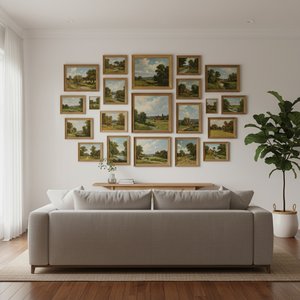
Tutustu John Constable'n 25 mestariteokseen – romanttisia maisemamaalauksia, jotka vangitsevat englantilaisen luonnon tunnelman. Taidehistoriaa ja inspiraatiota kotiisi Most-Famous-Paintings.com:ssa. Löydä kaikki taideteokset verkossa!
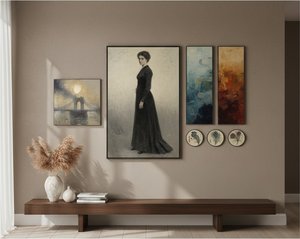
Tutustu James Abbott McNeill Whistlerin 25 vaikuttavinta mestariteosta! Uppoudu amerikkalaisen impressionismin maailmaan, tunnelmallisiin nocturneihin ja upeisiin muotokuviin. Löydä inspiraatiota sisustukseen Most-Famous-Paintings.comista – taidekopiot museolaadulla. Explore the full collection online!
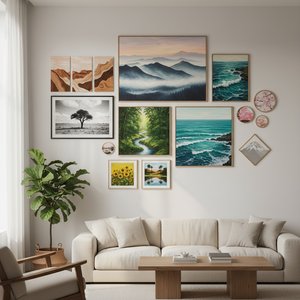
Uppoudu maisemataiteen maailmaan! Tutustu 10 inspiroivaan teokseen Monet'sta van Goghiin. Taideteosten tarinat, tekniikat ja tunnelmat – löydä täydellinen taulu kotiisi Most-Famous-Paintings.comista. Explore the full collection online!

Explore the rich history of rural landscape painting with Most-Famous-Paintings. Discover Impressionist masterpieces, key artists & movements. Find your perfect serene artwork and bring nature's beauty home.


Pysy ajan tasalla uusimmista taideuutisista, eksklusiivisista tarjouksista ja sisustusideoista.
Kerro meille projektistasi, niin taideasiantuntijamme tarjoavat sinulle kolme henkilökohtaista taidesuositusta.
Anna meidän kuratoida 3 vaihtoehtoa juuri sinulle – Ilmaiseksi!


 Esikatselu
 Jaa
Jaa Jaa
Jaa
 Tarkemmat tiedot

 Lataa
Lataa
 Samanlaisia
 Röntgenkuva
 Diaesitys
 Näytä lisää







 Lasivaihtoehto on saatavilla vain alle 110 cm kokoisina teoksina


