x

Käsinmaalattu öljyväri kankaalle haluamassasi koossa ja kehyksissä, taiteilijoidemme valmistamana tilauksesta. ( Osta printti Osta kuva)





























Valitse valmiista mitoistamme sellaiset, jotka vastaavat teoksen alkuperäisiä mittasuhteita.

Voit syöttää omat mitat sopimaan tiettyyn kehykseen tai tilaan. Jos valitsemasi koko ei vastaa alkuperäisen kuvan mittasuhteita, rajaamme taideteoksen tai jatkamme maalausta käsin maalatuilla elementeillä. Digitaalinen esikatselu lähetetään hyväksyttäväksi ennen tuotannon aloittamista.
Huomioithan, että näytöllä oleva esikatselu ei vastaa todellista rajausta tai jatkamista. Vain digitaalinen mallikuva näyttää lopullisen sommittelun tarkasti.
Vaikka mittatilaustyöt ovat mahdollisia, suosittelemme valitsemaan mitan ennalta määritetystä listasta alkuperäisten mittasuhteiden säilyttämiseksi.
Maailmanlaajuinen toimitus () 3–4 viikossa tavallisen 5 viikon sijaan. (19 elokuu). Laadusta ei tingitä.


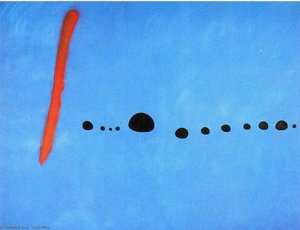
Azul III
Replikaatin koko
Joan Miró (1893 – 1983), born in Barcelona, stands as a cornerstone of Surrealist art and arguably the most celebrated exponent of Catalan artistic expression. His oeuvre transcends stylistic categorization, presenting instead a deeply personal cosmology rooted in dreams, mythology, and an unwavering commitment to capturing the essence of human experience—often filtered through the prism of memory and folklore.
Miró’s distinctive style is characterized by organic abstraction. Rejecting representational accuracy, he employed a vocabulary of biomorphic forms – undulating lines, amorphous shapes reminiscent of insects and plants – to construct landscapes that exist simultaneously in the realm of imagination and observation. His technique involved applying pigment directly onto canvas with brushes and spatulas, layering colors and textures to create surfaces imbued with palpable physicality.
Miró emerged during the tumultuous period of Surrealist experimentation following World War I. Influenced by Sigmund Freud’s psychoanalytic theories, Miró sought to liberate artistic expression from rational constraints, tapping into unconscious desires and anxieties. Simultaneously, his work reflected a burgeoning Catalan nationalist sentiment—a yearning for cultural autonomy amidst the pressures of Spanish Republican rule—expressed through symbolic imagery referencing Catalan traditions and landscapes.
Azul III is replete with symbols that resonate deeply within Miró’s artistic universe. The dominant hue – a vibrant shade of azure – evokes the Mediterranean sky, symbolizing serenity and transcendence. Scattered across the canvas are stylized insect forms—particularly butterflies—representing metamorphosis and rebirth—a motif central to Miró's exploration of spiritual transformation. Furthermore, amorphous shapes suggest primordial forces shaping the landscape, mirroring Catalan myths concerning creation and fertility.
Despite its apparent simplicity, Azul III possesses a profound emotional resonance. The painting invites contemplation—a quiet immersion in a space of ethereal beauty tempered by an underlying sense of vulnerability. Miró’s masterful manipulation of color and texture conveys not merely visual information but also intangible feelings—a yearning for connection with the natural world and a recognition of the cyclical rhythms of life and death. It is precisely this ability to evoke emotion that secures Azul III's place as one of Miró’s most enduring masterpieces.

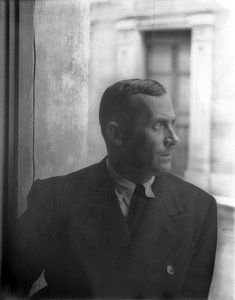
1893 - 1983 , Spanja

Explore the profound depths of Surrealism. From Dalí’s dreamscapes to Magritte’s enigmas, master the history of the subconscious mind through our expert art guide and discover museum-quality oil reproductions of the world's most iconic surrealist masterpieces.

Explore the profound depths of Surrealism through a scholarly lens. Discover the symbolism, history, and technical brilliance behind masterpieces by Salvador Dalí and other icons. Gain expert insights into the dreamlike subconscious and the enduring legacy of Surrealist art.

Explore the profound depths of Surrealism with our expert guide. From Dalí's dreamscapes to Breton's manifesto, uncover the history, symbolism, and technical mastery of this revolutionary movement. Perfect for students and collectors seeking deep art-historical insight.


Pysy ajan tasalla uusimmista taideuutisista, eksklusiivisista tarjouksista ja sisustusideoista.
Kerro meille projektistasi, niin taideasiantuntijamme tarjoavat sinulle kolme henkilökohtaista taidesuositusta.
Anna meidän kuratoida 3 vaihtoehtoa juuri sinulle – Ilmaiseksi!


 Esikatselu
 Jaa
Jaa Jaa
Jaa
 Tarkemmat tiedot

 Lataa
Lataa
 Samanlaisia
 Röntgenkuva
 Diaesitys
 Näytä lisää







 Lasivaihtoehto on saatavilla vain alle 110 cm kokoisina teoksina