x

Käsinmaalattu öljyväri kankaalle haluamassasi koossa ja kehyksissä, taiteilijoidemme valmistamana tilauksesta. ( Osta printti Osta kuva)





























Valitse valmiista mitoistamme sellaiset, jotka vastaavat teoksen alkuperäisiä mittasuhteita.

Voit syöttää omat mitat sopimaan tiettyyn kehykseen tai tilaan. Jos valitsemasi koko ei vastaa alkuperäisen kuvan mittasuhteita, rajaamme taideteoksen tai jatkamme maalausta käsin maalatuilla elementeillä. Digitaalinen esikatselu lähetetään hyväksyttäväksi ennen tuotannon aloittamista.
Huomioithan, että näytöllä oleva esikatselu ei vastaa todellista rajausta tai jatkamista. Vain digitaalinen mallikuva näyttää lopullisen sommittelun tarkasti.
Vaikka mittatilaustyöt ovat mahdollisia, suosittelemme valitsemaan mitan ennalta määritetystä listasta alkuperäisten mittasuhteiden säilyttämiseksi.
Maailmanlaajuinen toimitus () 3–4 viikossa tavallisen 5 viikon sijaan. (20 elokuu). Laadusta ei tingitä.


golding constables flower garden
Replikaatin koko
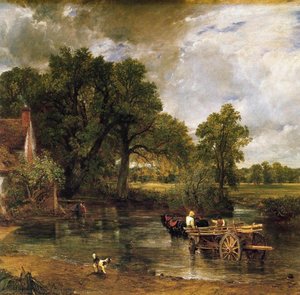
John Constable’s “Golding Constable’s Flower Garden,” painted in 1815, isn't merely a depiction of a rural scene; it’s a deeply felt meditation on family, place, and the enduring beauty of the English countryside. This exquisite oil-on-canvas work offers a rare glimpse into the private world of Golding Constable, John Constable’s father, and reveals a profound connection between man and nature that defined the artist's entire oeuvre. The painting captures a meticulously cultivated flower garden nestled within the familiar landscape of Suffolk, a region that would become inextricably linked to Constable’s artistic identity.
The composition is deceptively simple yet remarkably layered. A modest farmhouse, rendered in muted tones and subtly receding into the distance, anchors the scene, providing a sense of scale and domesticity. However, it's the vibrant explosion of color within the flower garden that immediately commands attention – a riot of blues, pinks, yellows, and whites arranged with an almost painterly abandon. The arrangement isn’t haphazard; there’s a deliberate order to the planting, suggesting a careful consideration of beauty and harmony.
Constable’s masterful technique is immediately apparent in the painting’s luminous quality. He employs a broken brushstroke method—a hallmark of his style—allowing light to dance across the canvas, creating an illusion of shimmering atmosphere. Notice how he captures the subtle shifts in color as sunlight filters through the foliage, and how he uses delicate washes to depict the textures of petals and leaves. This technique wasn’t simply about replicating reality; it was about conveying the *feeling* of being immersed in that particular moment, bathed in Suffolk light.
The painting's palette is restrained yet rich, dominated by earthy greens and browns contrasted with the vibrant hues of the flowers. Constable’s use of color isn’t flamboyant but rather deeply considered, reflecting his meticulous observation of nature. He expertly utilizes atmospheric perspective – objects in the distance appearing paler and less distinct – to create a sense of depth and space. The background trees are rendered in hazy blues and purples, subtly suggesting the vastness of the surrounding countryside.
“Golding Constable’s Flower Garden” is more than just a landscape; it's a poignant family portrait. The painting was created during a period of significant personal upheaval for Constable – his mother had recently died, and his father was gravely ill. The garden itself becomes symbolic of the family’s connection to the land, representing both their earthly existence and their enduring legacy. It’s believed that Constable painted these two works—the flower garden and its vegetable counterpart—as a way of preserving memories of his parents and their home.
Furthermore, the inclusion of figures – likely members of the family – adds another layer of meaning to the scene. They are not idealized heroes but rather ordinary people engaged in everyday activities, suggesting a celebration of rural life and familial bonds. The presence of two horses further reinforces this connection to agriculture and the rhythms of the countryside.
Ultimately, “Golding Constable’s Flower Garden” is a deeply moving work that speaks to the enduring power of nature and the importance of family. It invites us to slow down, observe, and appreciate the simple beauty of the world around us. Reproductions of this painting capture not only its visual splendor but also the emotional depth and quiet contemplation that define Constable’s artistic vision. Owning a high-quality reproduction allows you to bring this evocative scene into your home and connect with one of England's most beloved landscape painters.

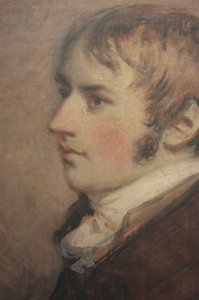
1776 - 1837 , Iso-Britannia

Explore the profound beauty of pastoral art history. From Arcadian myths to Impressionist mastery, discover how timeless landscapes capture nature's serenity and transform modern interiors with museum-quality, hand-painted oil reproductions.

Explore the profound legacy of British art history. From Constable's pastoral truths to Romanticism's sublime landscapes, discover the stories behind the masters and learn how to bring museum-quality oil reproductions into your home with Most-Famous-Paintings.

Discover how serene landscape masterpieces from the Northern Renaissance to Impressionism can transform your home. Explore art history insights and expert guidance on selecting museum-quality oil reproductions for a tranquil, sophisticated living space.


Pysy ajan tasalla uusimmista taideuutisista, eksklusiivisista tarjouksista ja sisustusideoista.
Kerro meille projektistasi, niin taideasiantuntijamme tarjoavat sinulle kolme henkilökohtaista taidesuositusta.
Anna meidän kuratoida 3 vaihtoehtoa juuri sinulle – Ilmaiseksi!


 Esikatselu
 Jaa
Jaa Jaa
Jaa
 Tarkemmat tiedot

 Lataa
Lataa
 Samanlaisia
 Röntgenkuva
 Diaesitys

 Näytä lisää







 Lasivaihtoehto on saatavilla vain alle 110 cm kokoisina teoksina