x

Museolaatuisia giclée- tai kankaitaulun tulosteita nopealla tuotannolla ja joustavilla viimeistelyvaihtoehdoilla. ( Osta käsintehty maalaus Osta kuva)





























Valitse valmiista mitoistamme sellaiset, jotka vastaavat teoksen alkuperäisiä mittasuhteita.

Voit syöttää omat mitat sopiaksesi tiettyyn kehykseen tai tilaan. Jos valittu koko ei vastaa alkuperäisen kuvan mittasuhteita, rajaamme teosta tai laajennamme kuvaa peilatulla tai yhtenäisellä reunalla. Digitaalinen mallikuva lähetetään hyväksyttäväksi ennen tuotannon aloittamista.
Huomaathan, että näytöllä näkyvä esikatselu ei vastaa lopullista rajausta tai laajennusta. Vain mallikuva näyttää lopullisen sommittelun tarkasti.
Vaikka räätälöityjä kokoja on saatavilla, suosittelemme valitsemaan mitat valmiista listasta alkuperäisten mittasuhteiden säilyttämiseksi.
Toimitus maailmanlaajuisesti () kahdessa viikossa tavallisen 4–5 viikon sijaan. (15 elokuu)


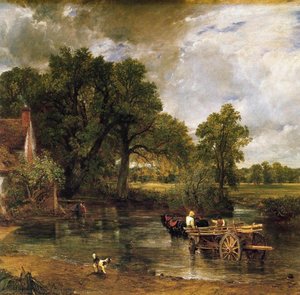
Pond in Branchhill
Replikaatin koko
John Constable’s “Pond in Branchhill” isn’t simply a depiction of a picturesque valley; it’s a profound meditation on the relationship between humanity and the natural world, rendered with an almost unbearable tenderness. Painted during a period of immense personal and artistic growth for the Suffolk artist, this work embodies the core tenets of Constable's style – a meticulous observation of light, texture, and atmosphere combined with a deeply felt emotional response to the landscape. The scene unfolds within Dedham Vale, Constable’s beloved home and studio, a location that profoundly shaped his artistic vision. The painting captures a fleeting moment in rural life: a horse-drawn cart navigating a winding road alongside a tranquil river, figures engaged in everyday tasks, and the subtle drama of avian flight against a vast sky.
Constable’s approach to landscape painting was revolutionary for his time. He developed what became known as “The Constable Method,” a technique meticulously honed over years of observation. Rather than relying on idealized representations, he built up layers of thin washes of color, often applied directly from the tube, allowing the white of the canvas to peek through and create a luminous effect. This created an unparalleled sense of atmospheric depth and realism – particularly evident in the shimmering reflections on the water’s surface and the hazy distance of the hills. The brushwork is loose yet controlled, conveying both the solidity of the earth and the ephemeral quality of light. Note the subtle gradations of color used to depict the foliage, a testament to Constable's dedication to capturing the nuances of natural forms.
"Pond in Branchhill" emerged during the height of the Romantic movement in England. This artistic era prioritized emotion, imagination, and the sublime beauty of nature over classical ideals of order and reason. Constable’s work perfectly exemplifies this shift, moving away from the formal compositions favored by earlier landscape painters like Claude Lorrain to embrace a more subjective and emotionally resonant portrayal of the English countryside. The inclusion of human figures – engaged in labor and leisure – further emphasizes the importance of man's place within the natural world, reflecting Romantic concerns about the harmony between humanity and its environment.
Beyond a simple landscape view, “Pond in Branchhill” is rich with symbolic meaning. The river, a recurring motif in Constable’s work, represents the flow of time and life itself. The horse and cart symbolize the rhythms of rural existence – agriculture, trade, and community. The birds, soaring above, evoke notions of freedom and aspiration. More profoundly, the painting speaks to a deep sense of tranquility and connection with nature. It invites the viewer to step into Constable’s world, to share in his appreciation for the simple beauty of the English countryside, and to contemplate the enduring power of the natural world to inspire awe and serenity. The overall effect is one of profound peace and contemplation – a timeless reminder of the restorative qualities of the landscape.

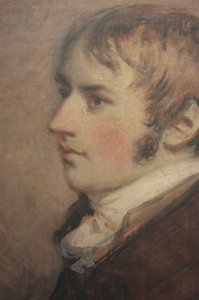
1776 - 1837 , Iso-Britannia

Explore the profound beauty of pastoral art history. From Arcadian myths to Impressionist mastery, discover how timeless landscapes capture nature's serenity and transform modern interiors with museum-quality, hand-painted oil reproductions.

Explore the profound legacy of British art history. From Constable's pastoral truths to Romanticism's sublime landscapes, discover the stories behind the masters and learn how to bring museum-quality oil reproductions into your home with Most-Famous-Paintings.


Pysy ajan tasalla uusimmista taideuutisista, eksklusiivisista tarjouksista ja sisustusideoista.
Kerro meille projektistasi, niin taideasiantuntijamme tarjoavat sinulle kolme henkilökohtaista taidesuositusta.
Anna meidän kuratoida 3 vaihtoehtoa juuri sinulle – Ilmaiseksi!


 Esikatselu
 Jaa
Jaa Jaa
Jaa
 Tarkemmat tiedot

 Lataa
Lataa
 Samanlaisia
 Röntgenkuva
 Diaesitys

 Näytä lisää







 Lasivaihtoehto on saatavilla vain alle 110 cm kokoisina teoksina