x

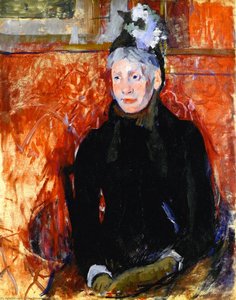
 PaintingTransvanguardia
 1984Contemporary
 219.0 x 212.0 cm
 Culturgest - Fundação Caixa Geral de Depósitos
Osta korkearesoluutioinen, parannettu digitaalikuva, joka on laadultaan huomattavasti parempi kuin verkkosivuston esikatselu.
Jokainen tiedosto valmistellaan huolellisesti omien asiantuntijoidemme toimesta käyttäen edistyneitä työkaluja ja ammattitaitoista manuaalista retusointia. Varmistamme, että jokaisessa kuvassa on poikkeuksellinen selkeys, tarkka värintoisto ja hienovaraiset yksityiskohdat.
Lopputiedosto toimitetaan sähköpostitse 72 tunnin kuluessa, ja se on optimoitu välittömään käyttöön ammattimaisissa, toimituksellisissa ja painoympäristöissä. Laatu on sama, johon huipputason suunnittelustudiot, kustantajat ja galleriat luottavat.
Lataa korkearesoluutioinen tiedosto henkilökohtaiseen näyttelyyn, tulostamiseen ja luoviin projekteihin. ( Osta printti Osta käsintehty maalaus)
Kun valitset Most-Famous-Paintings.com-palvelun, et saa vain kuvaa – saat ammattimaisesti parannetun digitaalisen taideteoksen, joka on luotu tarkkuudella ja jonka takaa tulee tyytyväisyystakuu. Tässä on kaikki, mitä tilauksesi sisältää, automaattisesti:

Korkearesoluutioinen digitaalinen kuvatiedostosi lähetetään sähköpostiisi 72 tunnin kuluessa tilauksesta – valmiina käytettäväksi välittömästi.

Taiteilijasi teos on optimoitu ammattimaisesti edistyneiden tekoälytyökalujen ja manuaalisen muokkauksen avulla, mikä takaa maksimaalisen yksityiskohtaisuuden, selkeyden ja väritarkkuuden.

Oletko vahingossa poistanut tai kadottanut tiedostosi? Ei hätää – lähetämme sen sinulle uudelleen milloin tahansa täysin maksutta.

Nauti taiteestasi välittömästi ilman tulleja, veroja tai toimitusmaksuja – digitaaliset lataukset ovat aina verovapaita.

Varmistamme, että digitaalinen kuvasi vastaa alkuperäisiä värejä mahdollisimman tarkasti käyttämällä ammattilaistason työkaluja ja värinhallintaa.

Jos et ole tyytyväinen digitaaliseen kuvaasi, muokkaamme sitä tai palautamme 100% takaisin 60 päivän kuluessa – ilman kysymyksiä.

Etkö ole tyytyväinen? Saat täyden hyvityksen 60 päivän kuluessa digitaalisen tiedostosi vastaanottamisesta – ilman kyselyitä.

Osta 3 kuvaa, säästä 10% - Osta 5, säästä 15% - Osta 10+, säästä 20%. Erinomainen valinta luoviin projekteihin, gallerioille ja toimistoille.

In the landscape of Brazilian contemporary art, few voices resonate with as much profound vulnerability and quiet strength as that of José Leonilson Bezerra Dias. Born in Fortaleza in 1957, Leonilson’s life and work were inextricably linked to the shifting political and social tides of Brazil. Moving to São Paulo as a child, he came of age during the twilight of the military dictatorship, a period that fostered a burgeoning sense of individual expression and a rediscovered "joy of painting" among the 1980s generation. Yet, while his contemporaries often engaged in loud, political critiques, Leonilson chose a different path—one of radical introspection. His art did not shout; it whispered, creating a private diary of existence that was simultaneously deeply personal and universally poignant.
Leonilson’s formal education provided the technical foundation for his later conceptual explorations. Studying at the Fundação Armando Álvares Penteado (FAAP) between 1977 and 1980, he was mentored by titans of Brazilian art such as Julio Plaza and Nelson Leirner. From Plaza, he absorbed the theoretical complexities of new mediums and the conceptual weight behind materiality; from Leirner, he learned the power of allegory. His time at the Aster Art School under Dudi Maia Rosa further refined his sensitivity to watercolor and the delicate interplay of light and form. These influences coalesced into a style that was deceptively simple, characterized by an elegant restraint that masked a turbulent emotional depth.
The trajectory of Leonilson’s career underwent a seismic shift in 1991, following his diagnosis with HIV. This moment of profound personal crisis transformed his artistic language, moving him away from traditional painting toward the more tactile, intimate medium of embroidery and textile work. As he faced the encroaching reality of death, his work became a metaphysical rumination on the body, loss, and the queer experience. He began to use thread as a tool for mapping both physical and emotional landscapes, creating pieces that functioned as body mappings—delicate, stitched chronicles of a life being lived in the shadow of an epidemic.
His use of textiles allowed him to explore themes that were often too fragile for the canvas. Through meticulous embroidery, he wove together a lexicon of symbols and text, turning domestic crafts into high-concept art. These works addressed:
Though his life was tragically short—ending in 1993 at the age of 36—Leonilson’s impact on the global art stage is monumental. He successfully adapted the political discourse of a global epidemic into a deeply personal, existential narrative that transcends borders. His ability to blend Brazilian vernacular traditions with international conceptual practices has earned him a permanent place in the world's most prestigious institutions. Today, his works are held in the collections of the Tate Modern in London, the Museum of Modern Art (MoMA) in New York, and the Centre National d’Art et de Culture Georges-Pompidou in Paris.
Leonilson remains a seminal figure because he dared to make the private public. In an era often defined by grand gestures, his commitment to the small, the delicate, and the intensely personal serves as a testament to the power of the individual spirit. His legacy continues to breathe through his embroideries and drawings, reminding us that even in the face of profound grief, there is a profound beauty to be found in the act of witnessing one's own existence.

1957 - 1993 , Brazil


Pysy ajan tasalla uusimmista taideuutisista, eksklusiivisista tarjouksista ja sisustusideoista.
Kerro meille projektistasi, niin taideasiantuntijamme tarjoavat sinulle kolme henkilökohtaista taidesuositusta.
Anna meidän kuratoida 3 vaihtoehtoa juuri sinulle – Ilmaiseksi!


 Esikatselu
 Jaa
Jaa Jaa
Jaa
 Tarkemmat tiedot

 Lataa
Lataa
 Samanlaisia
 Röntgenkuva
 Diaesitys
 Näytä lisää