Toivelista Ostoskori Cart
Tilaa maalaus Tilaa maalausOsta kuva Osta kuva JaaJaa
Tarkemmat tiedotTarkemmat tiedot Lisää suosikkeihin Lisää suosikkeihin LataaLataa SamanlaisiaSamanlaisia RöntgenkuvaRöntgenkuva DiaesitysDiaesitys

Study for the Back Program

Explore Kazimir Malevich's groundbreaking Suprematism movement with 'Study for the Back Program,' a bold geometric abstraction reflecting revolutionary ideas of pure feeling and spirituality.

Kazimir Malevitš (1879-1935): Ukrainan abstraktin taiteen pioneeri, tunnettu mustasta neliöstä ja puhdasta tunnetta korostavasta Suprematismista. Tutustu ikonisiin teoksiin!

Giclée-printit ja taideprintit

Museolaatuisia giclée- tai kankaitaulun tulosteita nopealla tuotannolla ja joustavilla viimeistelyvaihtoehdoilla.


P118B $10
P118H $10
P118W $10
P438Z $10
P508JH $12
P508YH $12
P805H $10
P805Z $10
P919BZ $10
P919G $10
P919XJ $10
P959ZH $10
P968JZ $12
W106C $8
W218G $10
W218JH $8
W218Y $10
W307PJ $10
W316G $10
W316PJ $8
W316Y $10
W398PJ $8
W4111J $10
W500HY $15
W500JH $15
W692G $12
W849H $8
W940BG $15
W953PJ $8

Standard
custom
CM
INCH

Valitse valmiista mitoistamme sellaiset, jotka vastaavat teoksen alkuperäisiä mittasuhteita.

leveys
korkeus

Voit syöttää omat mitat sopiaksesi tiettyyn kehykseen tai tilaan. Jos valittu koko ei vastaa alkuperäisen kuvan mittasuhteita, rajaamme teosta tai laajennamme kuvaa peilatulla tai yhtenäisellä reunalla. Digitaalinen mallikuva lähetetään hyväksyttäväksi ennen tuotannon aloittamista.
Huomaathan, että näytöllä näkyvä esikatselu ei vastaa lopullista rajausta tai laajennusta. Vain mallikuva näyttää lopullisen sommittelun tarkasti.
Vaikka räätälöityjä kokoja on saatavilla, suosittelemme valitsemaan mitat valmiista listasta alkuperäisten mittasuhteiden säilyttämiseksi.

Toimitus maailmanlaajuisesti () kahdessa viikossa tavallisen 4–5 viikon sijaan. (22 heinäkuu)

why_choose_icon
Ilmainen pikatoimitus ympäri maailman
why_choose_icon
Korkealaatuinen pellavakangas
why_choose_icon
Kattava kuljetusvakuutus
why_choose_icon
Tulliveron palautustakuu
why_choose_icon
Täydellinen värien vastaavuustakuu
why_choose_icon
60 päivän palautusoikeus (vain valmistusvirheet)
why_choose_icon
100% rahat takaisin -takuu
why_choose_icon
Määräalennus tarjous

Kokonaishinta

-

reproduction

Study for the Back Program

Giclée-printit ja taideprintit

Replikaatin koko

-

Kokonaishinta

-

Pikaista tietoa

  • Notable elements or techniques: Geometric Forms
  • Movement: Suprematism
  • Subject or theme: Pure Feeling
  • Artistic style: Abstract Expressionism
  • Medium: Oil Painting
  • Influences: Cubism

Taidevisa

Jokaisessa kysymyksessä on vain yksi oikea vastaus.

Kysymys 1:
What artistic movement is Kazimir Malevich primarily associated with?
Kysymys 2:
The image description mentions the square's use as a stage curtain. Why was this significant in Malevich’s artistic thinking?
Kysymys 3:
What is the dominant color scheme in ‘Study for the Back Program’?
Kysymys 4:
Malevich’s concept of Suprematism aimed to achieve what artistic goal?
Kysymys 5:
In what historical context was Kazimir Malevich creating ‘Study for the Back Program’?

Teoksen kuvaus

Kazimir Malevich’s Study for the Back Program: A Bold Statement of Pure Feeling

The image presented is a striking depiction of a red circle enveloped by black lettering—a deceptively simple composition that encapsulates the core tenets of Kazimir Malevich's groundbreaking Suprematism movement. This artwork, tentatively titled “Study for the Back Program,” embodies more than just visual aesthetics; it represents a radical reimagining of artistic expression and its relationship to reality. Produced around 1927, this piece exemplifies Malevich’s unwavering commitment to distilling art down to its purest form—a concept he articulated powerfully in his seminal text *The Non-Objective World*.
  • Style: Suprematism – Malevich’s artistic philosophy centered on rejecting representational imagery altogether. He sought to liberate painting from the constraints of depicting external objects, arguing that true art should emanate directly from inner feeling and intuition. This approach aligns perfectly with the broader cultural anxieties surrounding the aftermath of World War I and the burgeoning fervor for revolutionary ideas within Russia.
  • Technique: Executed in oil paint on linen canvas, Malevich employed a meticulous layering process—a hallmark of his disciplined artistic practice. The black lettering serves not merely as textual accompaniment but as an integral element of the visual composition itself, creating a dynamic interplay between color and form that underscores Suprematism’s core principles.
  • Historical Context: Created during the turbulent years following the October Revolution, Malevich's work reflects the intellectual ferment of the time—a desire to dismantle established artistic conventions and forge new paths toward spiritual enlightenment. The influence of Vladimir Lenin’s ideology is palpable in Malevich’s rejection of traditional symbolism and his embrace of geometric abstraction as a tool for conveying universal truths.
  • Symbolism: The red circle, according to Malevich, symbolizes “the sun,” representing not just celestial illumination but also the source of life and vitality—a concept deeply rooted in Orthodox Christian iconography. Simultaneously, the black lettering embodies negation and emptiness, symbolizing the annihilation of illusion and the attainment of pure consciousness. Together, they represent a profound meditation on duality and transcendence.
  • Emotional Impact: Viewing “Study for the Back Program” evokes a visceral response—a confrontation with the fundamental questions surrounding art’s role in human experience. Malevich's intention was to bypass rational thought altogether, inviting viewers into a realm of pure feeling where form transcends representation and communicates directly with the subconscious mind.
This reproduction captures the essence of Malevich’s artistic vision—a testament to his enduring legacy as one of the most influential figures in 20th-century art history. Its bold color palette and geometric precision continue to inspire artists and collectors alike, cementing its place as a cornerstone of abstract expressionism. ### Additional Information:

Exploring Kazimir Malevich’s Artistic Journey

Kazimir Severinovich Malevich (1879-1935) began his artistic explorations in Kyiv Oblast, Ukraine, absorbing the traditions of Ukrainian folk art and cultivating an appreciation for visual storytelling. However, he swiftly moved toward Moscow, immersing himself in the avant-garde currents sweeping across Europe—particularly influenced by Parisian Impressionism, Symbolism, Fauvism, and Cubism. His formative trip to Paris ignited his passion for experimentation and propelled him towards a radical departure from representational art.

The Suprematist Manifesto: A Paradigm Shift

Malevich’s magnum opus, *Black Square* (1915), irrevocably altered the trajectory of artistic thought. Alongside fellow artists Mikhail Larionov and Natalia Goncharova, he championed Suprematism—a movement predicated on the assertion that art should transcend objective reality and tap into the realm of pure feeling. This revolutionary stance resonated powerfully with the intellectual climate of post-war Russia, signaling a decisive rejection of bourgeois aesthetics and embracing geometric abstraction as a vehicle for spiritual liberation. ### Where to Acquire Authentic Reproductions

Bringing Malevich’s Vision Home

At Art Kingdom, you can immerse yourself in the captivating world of Kazimir Malevich's art with our meticulously crafted oil painting reproductions. Experience museum quality prints at a fraction of the gallery price—fast delivery and 100% satisfaction guaranteed! Explore sizes ranging from 24x20 inch to 72x48 inch, perfectly suited for enhancing any interior space. Don’t hesitate to contact us today at +1-888-472-1867 or visit our website: art-kingdom.com to personalize your order and bring Malevich’s groundbreaking aesthetic into your home! Item number: 2460558425

Taiteilijan elämäkerta

Kazimir Malevich: A Pioneer of Abstract Art

Kazimir Malevich (1879–1935) stands as a monumental figure in the history of art, recognized globally for his groundbreaking contribution to Suprematism – an artistic movement that fundamentally reshaped perceptions of visual expression. Born in Kyiv Oblast, Ukraine, Malevich’s formative years were steeped in Ukrainian folklore and rural traditions, shaping his initial artistic sensibilities. His pursuit of formal training began in Kyiv but quickly propelled him toward Moscow's vibrant avant-garde scene where he encountered the transformative ideas circulating throughout Europe. Early influences included Impressionism, Symbolism, Fauvism, and Cubism – movements that challenged traditional representational conventions. A pivotal journey to Paris in 1912 exposed Malevich to the cutting edge of European artistic innovation, sparking a profound intellectual shift. Recognizing the limitations of depicting reality faithfully, he embarked on a quest for an entirely new artistic language rooted in geometric forms and pure color—a path that would ultimately lead him to establish Suprematism around 1915. Suprematism’s core principle was “the supremacy of pure feeling,” rejecting any illusion of objective representation. Malevich envisioned art as liberating itself from the constraints of depicting external objects, prioritizing instead fundamental shapes like squares and circles—symbols of stability and universality. This radical departure from established artistic practices resonated deeply with artists grappling for new ways to express emotion and intellect. Malevich’s most iconic works exemplify this uncompromising vision. *Black Square* (1915), arguably his magnum opus, remains a symbol of artistic rebellion against convention, embodying the movement's rejection of illusionism and embracing the austere beauty of geometric abstraction. Similarly, *White on White* (1918) pushed Suprematism’s exploration of pure form to its extreme—a stark white square overlaid with another white square—creating an unsettling yet profoundly evocative image that continues to captivate viewers today. His other notable pieces include *House under Construction* (1916), which powerfully conveys Ukrainian cultural identity through abstracted geometric forms, and numerous experimental canvases demonstrating his unwavering commitment to artistic innovation. Despite facing political persecution during Stalin’s regime—initially supported by the Bolshevik government but later subjected to censorship—Malevich persevered in his artistic endeavors and continued to inspire generations of artists. His legacy extends far beyond the confines of Suprematism itself; he championed a new aesthetic consciousness, advocating for art as a tool for spiritual transformation and influencing movements like Minimalism and Constructivism. Kazimir Malevich’s unwavering belief in the power of abstraction cemented his place as one of the most influential figures in modern art history—a testament to his enduring vision and transformative impact on the artistic landscape of the 20th century.
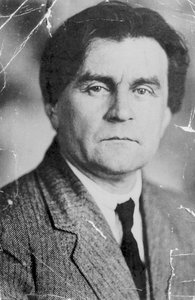
Kazimir Malevitš

Kazimir Malevitš

1878 - 1935 , Ukraina

Pikatiedot

  • Artistic Movement Or Style: Suprematistinen taide
  • Artists Or Movements Influenced By This Artist:
    • Kubismi
    • Nuoruuden liitto
  • Artists Who Influenced This Artist:
    • Impressionismi
    • Fauvismi
  • Date Of Birth: 1879
  • Date Of Death: 1935
  • Full Name: Kazimir Severinovitš Malevitš
  • Nationality: Ukrainalainen/Venäläinen
  • Notable Artworks:
    • Musta neliö
    • Valkoinen valkoinen
  • Place Of Birth: Kiova, Ukraina
Tutustu teoksiin, jotka on järjestetty aiheiden, tyylien ja ominaisuuksien mukaan.