Myy taiteesi
Toivelista Ostoskori Cart
EsikatseluEsikatselu Esikatsele AR-tilassaEsikatsele AR-tilassa Osta printti Osta printtiOsta käsintehty maalaus Osta käsintehty maalaus JaaJaa
Tarkemmat tiedotTarkemmat tiedot Lisää suosikkeihin Lisää suosikkeihin LataaLataa SamanlaisiaSamanlaisia RöntgenkuvaRöntgenkuva DiaesitysDiaesitys

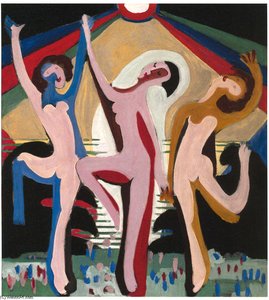
White squad

Leon Golub (1922-2004) challenged artistic norms with visceral figurative paintings exploring power, violence & the human condition. Influenced by classical art and war's horrors, he foreshadowed Neo-Expressionism.

Osta korkearesoluutioinen, parannettu digitaalikuva, joka on laadultaan huomattavasti parempi kuin verkkosivuston esikatselu.

Jokainen tiedosto valmistellaan huolellisesti omien asiantuntijoidemme toimesta käyttäen edistyneitä työkaluja ja ammattitaitoista manuaalista retusointia. Varmistamme, että jokaisessa kuvassa on poikkeuksellinen selkeys, tarkka värintoisto ja hienovaraiset yksityiskohdat.

Lopputiedosto toimitetaan sähköpostitse 72 tunnin kuluessa, ja se on optimoitu välittömään käyttöön ammattimaisissa, toimituksellisissa ja painoympäristöissä. Laatu on sama, johon huipputason suunnittelustudiot, kustantajat ja galleriat luottavat.

Digitaalinen kuva

Lataa korkearesoluutioinen tiedosto henkilökohtaiseen näyttelyyn, tulostamiseen ja luoviin projekteihin. (Osta printti Osta printtiOsta käsintehty maalaus Osta käsintehty maalaus)

Kokonaishinta

$ 24,90

Sisältyy jokaiseen digitaalisen kuvan tilaukseen

Asiantunteva digitaalinen toimitus, taattuun laatuun

Kun valitset Most-Famous-Paintings.com-palvelun, et saa vain kuvaa – saat ammattimaisesti parannetun digitaalisen taideteoksen, joka on luotu tarkkuudella ja jonka takaa tulee tyytyväisyystakuu. Tässä on kaikki, mitä tilauksesi sisältää, automaattisesti:

shipping_icon
Nopea digitaalinen toimitus

Korkearesoluutioinen digitaalinen kuvatiedostosi lähetetään sähköpostiisi 72 tunnin kuluessa tilauksesta – valmiina käytettäväksi välittömästi.

canvas_icon
Tekoälyllä parannettu digitaalinen tiedosto

Taiteilijasi teos on optimoitu ammattimaisesti edistyneiden tekoälytyökalujen ja manuaalisen muokkauksen avulla, mikä takaa maksimaalisen yksityiskohtaisuuden, selkeyden ja väritarkkuuden.

insurance_icon
Ilmainen elinikäinen uudelleenlähetyspalvelu

Oletko vahingossa poistanut tai kadottanut tiedostosi? Ei hätää – lähetämme sen sinulle uudelleen milloin tahansa täysin maksutta.

tax_icon
Ei tuontimaksuja – koskaan

Nauti taiteestasi välittömästi ilman tulleja, veroja tai toimitusmaksuja – digitaaliset lataukset ovat aina verovapaita.

color_icon
Värintoiston tarkkuustakuu

Varmistamme, että digitaalinen kuvasi vastaa alkuperäisiä värejä mahdollisimman tarkasti käyttämällä ammattilaistason työkaluja ja värinhallintaa.

return_icon
60 päivän tyytyväisyystakuu

Jos et ole tyytyväinen digitaaliseen kuvaasi, muokkaamme sitä tai palautamme 100% takaisin 60 päivän kuluessa – ilman kysymyksiä.

guarantee_icon
100% Rahat takaisin -takuu

Etkö ole tyytyväinen? Saat täyden hyvityksen 60 päivän kuluessa digitaalisen tiedostosi vastaanottamisesta – ilman kyselyitä.

discount_icon
Suurtilaaja-alennukset

Osta 3 kuvaa, säästä 10% - Osta 5, säästä 15% - Osta 10+, säästä 20%. Erinomainen valinta luoviin projekteihin, gallerioille ja toimistoille.


Taiteilijan elämäkerta

A Life Forged in Figuration: The World of Leon Golub

Leon Golub, born in Chicago in 1922 and passing away in 2004, stands as a pivotal figure in 20th-century American painting—a defiant voice that consistently challenged the prevailing currents of abstraction. While his contemporaries were exploring the realms of color field and gestural expressionism, Golub resolutely turned back to the human form, not to celebrate it, but to confront its capacity for brutality, power, and suffering. His journey was one of deliberate opposition, a commitment to representing the uncomfortable truths often obscured by aesthetic detachment. Educated at the University of Chicago in Art History and later honing his skills at the School of the Art Institute of Chicago under the G.I. Bill, Golub’s formative years were deeply marked by the aftermath of war and the anxieties of the Cold War—a context that would profoundly shape his artistic vision. His time at SAIC was not merely a period of technical training; it was an immersion into a community of fellow veterans grappling with shared trauma, and where he met Nancy Spero, who became both his life partner and a significant artistic collaborator.

Rejecting the Abstract Tide: A Unique Artistic Language

Golub’s deliberate rejection of abstraction wasn't simply an aesthetic choice; it was a moral one. He believed that figurative painting possessed a unique power to engage directly with the realities of human experience, particularly its darker aspects. His influences were remarkably diverse, ranging from the classical grandeur of Greek and Roman sculpture—forms he saw as embodying both heroism and violence—to the raw energy of athletic competitions and even the unsettling imagery found in gay pornography. This eclectic mix fueled a vast database of visual references that informed his work, allowing him to create compositions that felt simultaneously ancient and contemporary. Crucially, Golub developed a distinctive painting technique that mirrored the rawness of his subject matter. He wasn’t interested in smooth surfaces or delicate brushwork; instead, he employed layers of paint, often scraping them away with tools—famously including a meat cleaver—to reveal varying amounts of canvas beneath. This created textured, almost scarred surfaces that spoke to the violence and trauma depicted within his paintings. It was a visceral approach, one that demanded attention and refused easy consumption.

From Mythological Struggles to Political Confrontation

Golub’s artistic development unfolded through distinct periods, each marked by evolving themes and techniques. His early work in the 1950s and 60s often drew upon mythological and historical narratives, focusing on heroic figures locked in violent struggles—the *Gigantomachy II* series being a prime example. These paintings weren’t celebrations of heroism; they were explorations of conflict, power dynamics, and the inherent brutality within even the most celebrated myths. A transformative period followed with his move to Europe between 1959 and 1964. Immersed in Etruscan and Roman art, Golub's canvases grew larger, and he began experimenting with acrylics, further refining his exploration of power and violence. However, it was the escalating Vietnam War that truly galvanized his artistic purpose. The *Napalm* and *Vietnam* series directly addressed the horrors of war and American involvement, becoming powerful statements against political oppression. Golub didn’t shy away from controversy; he actively participated in artist protests against the conflict, solidifying his commitment to art as a form of social commentary. His later career, beginning in the 1970s, saw him turn increasingly towards portraiture, depicting political leaders, dictators, and religious figures in unflattering or critical ways—works like *We Love Our Leader* serving as scathing indictments of authoritarianism.

A Legacy of Defiance and Influence

Leon Golub’s historical significance lies not only in his artistic achievements but also in his unwavering commitment to challenging the status quo. By championing figurative painting during a period dominated by abstraction, he paved the way for the emergence of Neo-Expressionism and inspired a generation of artists to embrace narrative and emotional intensity. He is considered a forerunner to the Chicago Imagists, a group known for their expressive figurative style and rejection of mainstream art trends. More than just an artist, Golub was a political activist who used his work as a platform for protest and commentary on power structures. His unflinching exploration of violence and its consequences continues to resonate with contemporary audiences, making him a vital figure in 20th-century American painting. He remains known for his raw emotional intensity, intellectual rigor, and the courage to confront uncomfortable truths—a legacy that ensures his work will continue to provoke and inspire for generations to come. His marriage to Nancy Spero was also a significant aspect of his life; their artistic practices were deeply intertwined, though distinct, with frequent collaboration and mutual influence enriching both their oeuvres. They shared a commitment to activism and community engagement, participating in protests and advocating for social change throughout their careers.
Leon Golub

Leon Golub

1922 - 2004 , United States of America

Lyhyesti esiteltynä

  • Artistic Movement Or Style: Figurative painting, Neo-Expressionism
  • Artists Or Movements Influenced By This Artist:
    • Chicago Imagism
    • Neo-Expressionism
  • Artists Who Influenced This Artist: ['Greek/Roman sculpture']
  • Date Of Birth: January 23, 1922
  • Date Of Death: August 8, 2004
  • Full Name: Leon Golub
  • Nationality: American
  • Notable Artworks:
    • Gigantomachy II
    • Napalm
    • Vietnam
    • We Love Our Leader
    • White Squad
  • Place Of Birth: Chicago, USA