x


 Tilaa maalaus Osta kuva
 Jaa
Jaa
 Tarkemmat tiedot
 Lisää suosikkeihin
 Lataa
Lataa
 Samanlaisia
 Röntgenkuva
 Diaesitys
Museolaatuisia giclée- tai kankaitaulun tulosteita nopealla tuotannolla ja joustavilla viimeistelyvaihtoehdoilla.





























Valitse valmiista mitoistamme sellaiset, jotka vastaavat teoksen alkuperäisiä mittasuhteita.

Voit syöttää omat mitat sopiaksesi tiettyyn kehykseen tai tilaan. Jos valittu koko ei vastaa alkuperäisen kuvan mittasuhteita, rajaamme teosta tai laajennamme kuvaa peilatulla tai yhtenäisellä reunalla. Digitaalinen mallikuva lähetetään hyväksyttäväksi ennen tuotannon aloittamista.
Huomaathan, että näytöllä näkyvä esikatselu ei vastaa lopullista rajausta tai laajennusta. Vain mallikuva näyttää lopullisen sommittelun tarkasti.
Vaikka räätälöityjä kokoja on saatavilla, suosittelemme valitsemaan mitat valmiista listasta alkuperäisten mittasuhteiden säilyttämiseksi.
Toimitus maailmanlaajuisesti () kahdessa viikossa tavallisen 4–5 viikon sijaan. (23 heinäkuu)


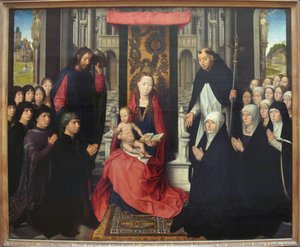
The Trinity
Replikaatin koko
Lucas Cranach the Elder's “The Trinity,” painted around 1515, stands as a cornerstone of Northern Renaissance art—a testament to both masterful craftsmanship and profound theological contemplation. More than just a depiction of biblical scripture, this monumental altarpiece embodies the spirit of its time, reflecting the anxieties and aspirations surrounding the burgeoning Protestant Reformation while simultaneously showcasing Cranach’s unparalleled ability to convey emotion and psychological nuance.
Created during a turbulent era marked by religious reform and political maneuvering, “The Trinity” reflects the intellectual fervor of its time. Cranach’s patronage by Frederick III underscores the importance of royal commissions in shaping artistic trends—demonstrating how art served as a vehicle for conveying ideological messages. The painting's subject matter – the Holy Trinity – resonated deeply with Protestant theologians who sought to reaffirm faith in God’s unity and transcendence amidst the challenges posed by papal authority.
"The Trinity" transcends mere visual representation; it aspires to evoke a profound emotional response in the viewer. Cranach’s masterful use of color—particularly blues and golds—creates an atmosphere of solemn grandeur, fostering contemplation and reverence. The painting's stillness contrasts sharply with the dynamism of the crucifixion scene itself, prompting reflection on themes of faith, sacrifice, and divine love. It remains a powerful reminder of humanity’s yearning for spiritual connection and understanding.


1472 - 1553 , Saksa

Explore the Northern Renaissance! Discover Jan van Eyck's innovations, religious shifts, & key artists of this influential period. Expert analysis and insights into Early Netherlandish painting at Most-Famous-Paintings.

Tutustu alkuflaamilaisen maalauksen 10 mestariteokseen – Jan van Eyckistä Hieronymus Boschiin. Taidetta, historiaa ja inspiraatiota kotiisi Most-Famous-Paintingsilta. Laadukkaat öljyvärimaalaukset ja sisustusehdotukset odottavat! Tutki kokoelma verkossa.

Explore the rich history of oil on panel painting! Discover Renaissance techniques, support construction, & the enduring legacy of this masterful art form. Expert insights for collectors and enthusiasts.

Tutustu alkuflaamin renessanssin 10 mestariteokseen! Jan van Eyckin, Rogier van der Weydenin ja muiden taiteilijoiden ikonisia maalauksia. Öljyvärimaalauksen huippua – löydä inspiraatiota kotiisi Most-Famous-Paintings.comista. Tutustu kokoelma!
Tutustu Rafaelin 25 upeimpaan mestariteokseen! Uppoudu renessanssitaiteen maailmaan, opi maalauksien tarinat ja löydä inspiraatiota kotiisi. Laadukkaat taideprintit Most-Famous-Paintingsilta – tutki kokoelma verkossa!


Pysy ajan tasalla uusimmista taideuutisista, eksklusiivisista tarjouksista ja sisustusideoista.
Kerro meille projektistasi, niin taideasiantuntijamme tarjoavat sinulle kolme henkilökohtaista taidesuositusta.
Anna meidän kuratoida 3 vaihtoehtoa juuri sinulle – Ilmaiseksi!


 Jaa
Jaa


 Näytä lisää







 Lasivaihtoehto on saatavilla vain alle 110 cm kokoisina teoksina