


x

 Acrylic On CanvasWallArtNaive Art
 1973Renaissance
 73.0 x 92.0 cm
Käsinmaalattu öljyväri kankaalle haluamassasi koossa ja kehyksissä, taiteilijoidemme valmistamana tilauksesta. ( Osta printti Osta kuva)





























Valitse valmiista mitoistamme sellaiset, jotka vastaavat teoksen alkuperäisiä mittasuhteita.

Voit syöttää omat mitat sopimaan tiettyyn kehykseen tai tilaan. Jos valitsemasi koko ei vastaa alkuperäisen kuvan mittasuhteita, rajaamme taideteoksen tai jatkamme maalausta käsin maalatuilla elementeillä. Digitaalinen esikatselu lähetetään hyväksyttäväksi ennen tuotannon aloittamista.
Huomioithan, että näytöllä oleva esikatselu ei vastaa todellista rajausta tai jatkamista. Vain digitaalinen mallikuva näyttää lopullisen sommittelun tarkasti.
Vaikka mittatilaustyöt ovat mahdollisia, suosittelemme valitsemaan mitan ennalta määritetystä listasta alkuperäisten mittasuhteiden säilyttämiseksi.
Maailmanlaajuinen toimitus () 3–4 viikossa tavallisen 5 viikon sijaan. (22 elokuu). Laadusta ei tingitä.


Jacob's Ladder
Replikaatin koko
Marc Chagall’s “Jacob’s Ladder,” completed in 1973, stands as a luminous testament to the artist’s enduring fascination with biblical narratives and his unparalleled ability to translate spiritual concepts into visual poetry. This monumental oil on canvas—measuring 73 x 92 cm—belongs firmly within the Naïve Art movement (Primitivism), yet transcends categorization through Chagall's distinctive vision, rooted in memory and infused with a dreamlike quality that captivates viewers decades after its creation.
The painting draws directly from Genesis 28:10–19, recounting Jacob’s prophetic dream of a ladder ascending to heaven—a symbol laden with theological significance. Chagall meticulously renders this ethereal scene, prioritizing emotional resonance over strict realism. The dominant crimson sky serves as an arresting backdrop, conveying divine majesty and casting an otherworldly glow upon the entire composition. At its center is the ladder itself, populated by angelic figures depicted with fluid brushstrokes that capture movement and luminosity—a deliberate departure from academic conventions.
Beyond its biblical reference, “Jacob’s Ladder” overflows with symbolic imagery. The village nestled beneath the ladder represents earthly existence, juxtaposed against the celestial realm above. Chagall employs a vibrant palette—primarily reds, blues, and yellows—to heighten emotional impact and create an atmosphere of wonder. His technique is characterized by loose brushwork, impasto (thickly applied paint), and expressive layering, hallmarks of Naïve Art’s rejection of formal training. These stylistic choices contribute to the painting's dreamlike quality, mirroring Jacob’s visionary experience.
“Jacob’s Ladder” is part of a broader artistic trajectory marked by Chagall’s exploration of Jewish folklore and spirituality. Alongside masterpieces like “Moses Receiving the Tablets of Law,” “Striking the Rock,” and “The Walk,” this painting exemplifies his commitment to conveying profound emotional truths through imaginative visual language. Chagall's stylistic influence extends beyond Naïve Art, impacting subsequent generations of artists who sought to capture the essence of emotion and memory.
"Jacob’s Ladder" continues to resonate with audiences today because it embodies Chagall’s unwavering belief in the transformative power of art—a conviction that transcends time and cultural boundaries. Its luminous colors, evocative brushwork, and symbolic richness invite contemplation on themes of faith, aspiration, and the enduring connection between humanity and divinity. It remains a captivating exemplar of artistic expression.

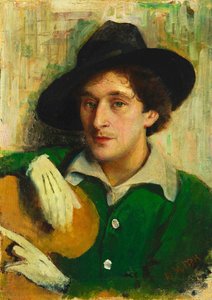
1887 - 1985 , Belarus

Explore the revolutionary world of Naïve Art & Primitivism! Discover how artists challenged academic traditions with raw emotion & unique styles. Learn about Picasso, Rousseau & more at Most-Famous-Paintings.

Discover the profound beauty of Naïve Art. Explore how self-taught masters bypass academic tradition to capture raw emotional truth through vibrant color and soulful simplicity. A cultural journey for the true art lover seeking depth beyond convention.
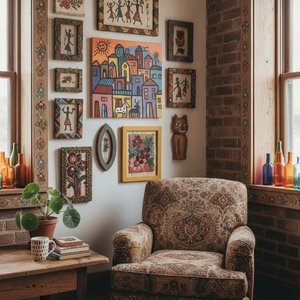
Ditch the boring decor. Discover why Naive Art's raw, bold, and unfiltered aesthetic is the ultimate trend for modern urban spaces. Learn how to use vibrant colors and unstudied sincerity to create a high-impact, authentic vibe in your home or studio.
Uppoudu Saksan ekspressionismin maailmaan! Tutustu 10 mestariteokseen – Kirchnerin voimakkaista väreistä Munchin tunteisiin. Löydä taidemaalauksien tarinat ja inspiroi sisustusta Most-Famous-Paintings.com:ssa. Explore the full collection online!

Tutustu 10 legendaariseen litografiateokseen, jotka mullistivat taiteen! Picasso, Matisse, Munch ja muut mestarit. Taidehistorian helmet Most-Famous-Paintings.com:ssa – löydä täydellinen seinätaide kotiisi. Tutki kokoelma verkossa!


Pysy ajan tasalla uusimmista taideuutisista, eksklusiivisista tarjouksista ja sisustusideoista.
Kerro meille projektistasi, niin taideasiantuntijamme tarjoavat sinulle kolme henkilökohtaista taidesuositusta.
Anna meidän kuratoida 3 vaihtoehtoa juuri sinulle – Ilmaiseksi!


 Esikatselu
 Jaa
Jaa Jaa
Jaa
 Tarkemmat tiedot

 Lataa
Lataa
 Samanlaisia
 Röntgenkuva
 Diaesitys
 Näytä lisää







 Lasivaihtoehto on saatavilla vain alle 110 cm kokoisina teoksina


