
Myy taiteesi
Toivelista Ostoskori Cart
EsikatseluEsikatselu Esikatsele AR-tilassaEsikatsele AR-tilassa Osta printti Osta printtiOsta käsintehty maalaus Osta käsintehty maalaus JaaJaa
Tarkemmat tiedotTarkemmat tiedot Lisää suosikkeihin Lisää suosikkeihin LataaLataa SamanlaisiaSamanlaisia RöntgenkuvaRöntgenkuva DiaesitysDiaesitys

No.61 (Rust and Blue)

Explore Mark Rothko’s ‘No.61 (Rust & Blue)’ – a seminal Color Field painting. Discover its emotional depth, minimalist design, and impact on 20th-century art.

Tutustu Mark Rothkonin ikoniseen Color Field -maalaukseen ja abstrakti ekspressionismiin. Löydä tämän keskeisen modernin taiteilijan tunteellinen syvyys ja pysyvä vaikutus.

Osta korkearesoluutioinen, parannettu digitaalikuva, joka on laadultaan huomattavasti parempi kuin verkkosivuston esikatselu.

Jokainen tiedosto valmistellaan huolellisesti omien asiantuntijoidemme toimesta käyttäen edistyneitä työkaluja ja ammattitaitoista manuaalista retusointia. Varmistamme, että jokaisessa kuvassa on poikkeuksellinen selkeys, tarkka värintoisto ja hienovaraiset yksityiskohdat.

Lopputiedosto toimitetaan sähköpostitse 72 tunnin kuluessa, ja se on optimoitu välittömään käyttöön ammattimaisissa, toimituksellisissa ja painoympäristöissä. Laatu on sama, johon huipputason suunnittelustudiot, kustantajat ja galleriat luottavat.

Digitaalinen kuva

Lataa korkearesoluutioinen tiedosto henkilökohtaiseen näyttelyyn, tulostamiseen ja luoviin projekteihin. (Osta printti Osta printtiOsta käsintehty maalaus Osta käsintehty maalaus)

Kokonaishinta

$ 24,90

Sisältyy jokaiseen digitaalisen kuvan tilaukseen

Asiantunteva digitaalinen toimitus, taattuun laatuun

Kun valitset Most-Famous-Paintings.com-palvelun, et saa vain kuvaa – saat ammattimaisesti parannetun digitaalisen taideteoksen, joka on luotu tarkkuudella ja jonka takaa tulee tyytyväisyystakuu. Tässä on kaikki, mitä tilauksesi sisältää, automaattisesti:

shipping_icon
Nopea digitaalinen toimitus

Korkearesoluutioinen digitaalinen kuvatiedostosi lähetetään sähköpostiisi 72 tunnin kuluessa tilauksesta – valmiina käytettäväksi välittömästi.

canvas_icon
Tekoälyllä parannettu digitaalinen tiedosto

Taiteilijasi teos on optimoitu ammattimaisesti edistyneiden tekoälytyökalujen ja manuaalisen muokkauksen avulla, mikä takaa maksimaalisen yksityiskohtaisuuden, selkeyden ja väritarkkuuden.

insurance_icon
Ilmainen elinikäinen uudelleenlähetyspalvelu

Oletko vahingossa poistanut tai kadottanut tiedostosi? Ei hätää – lähetämme sen sinulle uudelleen milloin tahansa täysin maksutta.

tax_icon
Ei tuontimaksuja – koskaan

Nauti taiteestasi välittömästi ilman tulleja, veroja tai toimitusmaksuja – digitaaliset lataukset ovat aina verovapaita.

color_icon
Värintoiston tarkkuustakuu

Varmistamme, että digitaalinen kuvasi vastaa alkuperäisiä värejä mahdollisimman tarkasti käyttämällä ammattilaistason työkaluja ja värinhallintaa.

return_icon
60 päivän tyytyväisyystakuu

Jos et ole tyytyväinen digitaaliseen kuvaasi, muokkaamme sitä tai palautamme 100% takaisin 60 päivän kuluessa – ilman kysymyksiä.

guarantee_icon
100% Rahat takaisin -takuu

Etkö ole tyytyväinen? Saat täyden hyvityksen 60 päivän kuluessa digitaalisen tiedostosi vastaanottamisesta – ilman kyselyitä.

discount_icon
Suurtilaaja-alennukset

Osta 3 kuvaa, säästä 10% - Osta 5, säästä 15% - Osta 10+, säästä 20%. Erinomainen valinta luoviin projekteihin, gallerioille ja toimistoille.
Pikaista tietoa

  • Artistic style: Minimalist
  • Dimensions: 115 1/4 x 92 x 1 3/4 in.
  • Subject or theme: Emotional exploration
  • Movement: Color Field Painting
  • Notable elements or techniques: Layered coloring; inverted painting technique
  • Location: Museum of Contemporary Art, Los Angeles
  • Artist: Mark Rothko

Taidevisa

Jokaisessa kysymyksessä on vain yksi oikea vastaus.

Kysymys 1:
What art movement is Mark Rothko’s ‘No. 61 (Rust and Blue)’ associated with?
Kysymys 2:
Where was ‘No. 61 (Rust and Blue)’ first exhibited?
Kysymys 3:
What is a characteristic technique employed by Rothko in this painting?
Kysymys 4:
The painting’s overall mood can best be described as:
Kysymys 5:
What is the primary purpose of Rothko's use of color in ‘No. 61 (Rust and Blue)?

Keräilykohteen kuvaus

Introduction to Color Field Painting Art Movement

Color Field painting is an abstract art movement that emerged in New York City during the 1940s and 1950s. It was a reaction against the gestural abstraction of Abstract Expressionism, which emphasized the artist's emotions and the act of painting itself. Instead, Color Field painters focused on creating large fields of flat, solid color spread across the canvas in an unbroken manner.

About No.61 (Rust and Blue)

No.61 (Rust and Blue) is a 1953 painting by the Russian-American Abstract expressionist artist Mark Rothko. The work was first exhibited at the Museum of Modern Art, New York in 1961 but is now in the collection of the Museum of Contemporary Art, Los Angeles. Similar to Rothko's other works from this period, No.61 (Rust and Blue) consists of large expanses of color with dark shades. The painting features a rust-colored background with a blue rectangle in the center. The contrast between the two colors creates a sense of depth and movement, inviting the viewer to contemplate the emotional content of the work.

About the Artist: Mark Rothko

Mark Rothko was a Russian-American painter who is best known for his abstract expressionist paintings. He was one of the pioneers of Color Field painting, which emphasized the use of large fields of color to create emotional and spiritual resonance. Rothko's works are characterized by their simplicity and emotional intensity. For more information on Mark Rothko, visit https://Most-Famous-Paintings.com/@/Mark-Rothko.

Conclusion

No.61 (Rust and Blue) is a powerful example of Color Field painting, showcasing the emotional intensity and simplicity that are hallmarks of this art movement. To learn more about Color Field painting, visit /art/list/?Filter=A@D3CNUH-Color-Field-Painting-Art-Movement. For handmade oil paintings reproductions of Mark Rothko's works, including No.61 (Rust and Blue), visit https://Most-Famous-Paintings.com.
  • Discover more about Color Field painting
  • https://en.wikipedia.org/wiki/Mark_Rothko
  • /en/art/list/

Taiteilijan elämäkerta

Early Life and the Seeds of Artistic Vision

Mark Rothko, born Markus Yakovlevich Rothkowitz in Dvinsk, Latvia, in 1903, carried within him from the outset a sense of displacement that would profoundly shape his artistic journey. His early years were marked by the anxieties of a Jewish family living within the Pale of Settlement, shadowed by pogroms and political unrest. This atmosphere instilled a deep sensitivity to human suffering, a theme that would resonate throughout his oeuvre. The 1913 immigration to Portland, Oregon, represented not just a geographical shift but a cultural upheaval for the young Rothko. While his father, a pharmacist and intellectual with socialist leanings, fostered a home filled with debate and learning, the loss of Jacob Rothkowitz shortly after their arrival cast a long shadow. This early experience of loss, coupled with the challenges of assimilation, fueled a lifelong exploration of existential themes – mortality, trauma, and the search for meaning in a chaotic world. Though he excelled academically at Yale University, Rothko found himself drawn more to the vibrant energy of New York City, abandoning formal studies to pursue his passion for art at the Art Students League. These formative years laid the groundwork for an artistic vision that would ultimately challenge conventional notions of painting and redefine the emotional power of color.

From Figurative Beginnings to Abstract Expressionism

Rothko’s initial artistic explorations were firmly rooted in realism, depicting urban scenes and portraits with a keen eye for detail. However, these early works already hinted at the psychological depth that would become his hallmark. As the 1940s unfolded, and the world grappled with the horrors of World War II, Rothko’s art underwent a dramatic transformation. Influenced by Surrealism and mythology, he began to move away from representational imagery, seeking instead to express universal human emotions through symbolic forms. This period saw the emergence of multi-form paintings – canvases populated by ambiguous, biomorphic shapes that seemed to hover between figuration and abstraction. These works were not merely experiments in form; they were deeply felt responses to the anxieties and uncertainties of a world at war. By the late 1940s, Rothko had arrived at his signature style: large-scale canvases featuring rectangular blocks of color that appeared to float and resonate with one another. He stripped away all vestiges of recognizable imagery, focusing instead on the pure emotional impact of color and form. This marked a pivotal moment in the development of Abstract Expressionism, and established Rothko as a leading figure in this groundbreaking movement.

The Color Field and the Pursuit of Transcendence

Rothko’s mature work is defined by what came to be known as “Color Field” painting – vast expanses of luminous color that envelop the viewer in an immersive experience. These paintings are not about *what* they depict, but rather *how* they make you feel. Rothko believed that art should engage the viewer viscerally, bypassing intellectual analysis and speaking directly to the emotions. He meticulously layered thin washes of paint, creating subtle variations in tone and texture that seemed to emanate from within the canvas. The edges of his rectangular forms are often blurred, allowing them to blend and interact with one another, creating a sense of depth and movement. Rothko deliberately avoided titles beyond numbers – “No. 1,” “No. 6” – encouraging viewers to confront the paintings without preconceived notions and allow their own emotional responses to guide their experience. He sought to create a space for contemplation, a sanctuary where viewers could connect with something larger than themselves. His ambition was nothing less than to evoke profound spiritual experiences through the language of color.

Major Achievements and Lasting Legacy

Among Rothko’s most significant achievements are “No. 10 (1950),” a pivotal work that exemplifies his evolving style, and the Seagram Murals (1958). Commissioned for the Four Seasons restaurant in New York City, these murals were ultimately rejected by Rothko, who felt they would be compromised by their intended environment. He instead donated them to the Tate Gallery in London, where they continue to inspire awe and contemplation. Perhaps his most ambitious project was the Rothko Chapel (1971) in Houston, Texas – a non-denominational sanctuary housing fourteen of his paintings. Designed as a space for quiet reflection, the chapel is considered a sacred place by many, embodying Rothko’s belief in the spiritual power of art. Rothko's influence on subsequent generations of artists has been immense. He paved the way for Minimalist art and continues to inspire contemporary painters who explore the emotional possibilities of abstraction. Despite struggling with depression throughout his life, culminating in his tragic suicide in 1970, Mark Rothko remains one of the most important and influential artists of the 20th century – a master of color whose work continues to resonate with audiences around the world. ## The Enduring Power of Emotional Resonance
  • Rothko’s paintings are celebrated for their ability to convey universal human emotions—tragedy, ecstasy, despair, and hope.
  • His exploration of color as a vehicle for emotional expression revolutionized abstract painting.
  • The Rothko Chapel stands as a testament to his belief in the spiritual power of art.
  • He remains a pivotal figure in Abstract Expressionism and a major influence on contemporary artists.
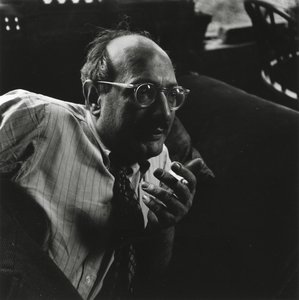
Mark Rothko

Mark Rothko

1903 - 1970 , Latvia

Lyhyesti esiteltynä

  • Artistic Movement Or Style: Abstrakti ekspressionismi
  • Artists Or Movements Influenced By This Artist: ['Minimalismi']
  • Date Of Birth: 25. syyskuuta 1903
  • Date Of Death: 25. helmikuuta 1970
  • Full Name: Mark Rothko
  • Nationality: Venäläinen imperiumi-Amerikan kansalainen
  • Notable Artworks:
    • Ei. 10 (1950)
    • Seagram Murals
    • Rothko Chapel
  • Place Of Birth: Dvinsk, Latvia

