x


Museolaatuisia giclée- tai kankaitaulun tulosteita nopealla tuotannolla ja joustavilla viimeistelyvaihtoehdoilla. ( Switch to hand made Painting Switch to Image)





























Valitse valmiista mitoistamme sellaiset, jotka vastaavat teoksen alkuperäisiä mittasuhteita.

Voit syöttää omat mitat sopiaksesi tiettyyn kehykseen tai tilaan. Jos valittu koko ei vastaa alkuperäisen kuvan mittasuhteita, rajaamme teosta tai laajennamme kuvaa peilatulla tai yhtenäisellä reunalla. Digitaalinen mallikuva lähetetään hyväksyttäväksi ennen tuotannon aloittamista.
Huomaathan, että näytöllä näkyvä esikatselu ei vastaa lopullista rajausta tai laajennusta. Vain mallikuva näyttää lopullisen sommittelun tarkasti.
Vaikka räätälöityjä kokoja on saatavilla, suosittelemme valitsemaan mitat valmiista listasta alkuperäisten mittasuhteiden säilyttämiseksi.
Toimitus maailmanlaajuisesti () kahdessa viikossa tavallisen 4–5 viikon sijaan. (30 heinäkuu)


Portrait 1
Replikaatin koko
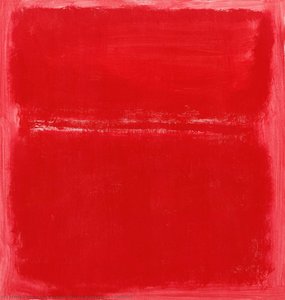
The canvas holds an arresting stillness—a portrait not merely of a man but of the profound contemplation inherent in confronting one's own mortality. Painted by Mark Rothko in 1963, shortly before his death, this work embodies the artist’s signature approach to abstraction: layering blocks of color onto canvas with deliberate precision and unwavering conviction.
Rothko eschewed representational imagery altogether, opting instead for a method he termed “condensation.” He applied thin washes of pigment—primarily cadmium yellow, crimson red, and ultramarine blue—to create expansive rectangles that bleed into one another. This technique wasn’t about depicting an external reality; it was about channeling internal feeling directly onto the surface of the artwork. The resulting hues aren't merely pigments on canvas; they are conduits for emotion – a deliberate attempt to bypass intellectual analysis and tap into primal sensations.
Rothko’s work emerged during the burgeoning Minimalist movement of the 1960s, a reaction against the excesses of Abstract Expressionism that preceded it. While contemporaries like Jackson Pollock wrestled with dynamism and gesture, Rothko sought refuge in simplicity—a deliberate stripping away of extraneous detail to focus solely on color and form. This stylistic choice coincided with a period marked by significant social upheaval: the Vietnam War raged, civil rights activism gained momentum, and anxieties about nuclear annihilation permeated the cultural landscape.
The seemingly unassuming rectangles themselves are laden with symbolic significance. Rothko believed that color possessed inherent spiritual qualities—that it could evoke profound psychological states without resorting to explicit imagery. The dominant hues – yellow, red, and blue – represent not specific concepts but rather fundamental aspects of human experience: optimism, passion, and melancholy respectively. Critics have interpreted these colors as reflections of Rothko’s own emotional landscape, suggesting that the painting serves as a visual manifestation of his inner turmoil and yearning for transcendence.
Viewing Rothko’s Portrait of Existential Uncertainty is an experience akin to entering a meditative space. The sheer scale of the canvas—approximately 68 x 48 inches—forces the viewer to confront their own gaze, inviting introspection and prompting questions about identity and purpose. There's no narrative to follow, no figure to analyze; instead, one is immersed in a sea of color that washes over the senses, leaving behind a residue of quiet contemplation – a testament to Rothko’s enduring ability to capture the essence of human consciousness.

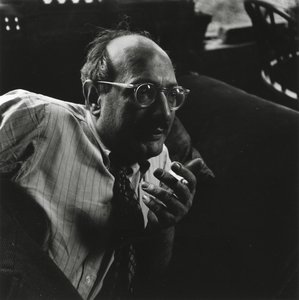
1903 - 1970 , Latvia

Explore the profound emotional depth of Mark Rothko's abstract expressionism. Discover the history, techniques & lasting impact of this pivotal Color Field painter. Expert insights for collectors and art enthusiasts.
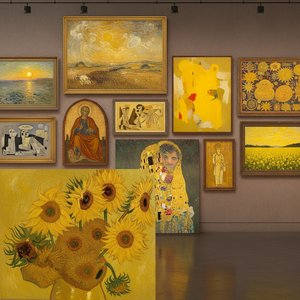
Tutustu 10 tunnetuimpaan kromikeltaisen sävyn taidemaalaukseen! Van Goghin, Monetin ja Picasson mestariteoksia – tarinat, tekniikat & inspiraatio sisustukseen. Laadukkaat taidevedokset Most-Famous-Paintings.com:ssa. Tutki kokoelma verkossa!

Tutustu värikenttämaalauksen kiehtovaan maailmaan ja valon vaikutukseen taiteessa! Asiantuntijoiden vinkit, historiallinen tausta ja inspiraatiota kodin sisustukseen. Most-Famous-Paintings.

Explore the profound emotional depth & formal innovations of abstract painting. Discover key artists like Rothko & Kandinsky, understand art collecting insights, and elevate your space with timeless masterpieces. Expert analysis for discerning collectors.
Tutustu 10 kuuluisimpaan maalaukseen, joita hallitsee syvä musta sävy. Rembrandtista Manetiin – taidemaalareiden tarinat ja mestariteosten merkitys. Löydä inspiraatiota sisustukseesi Most-Famous-Paintings.com:sta! Tutki kokoelma verkossa.


Pysy ajan tasalla uusimmista taideuutisista, eksklusiivisista tarjouksista ja sisustusideoista.
Kerro meille projektistasi, niin taideasiantuntijamme tarjoavat sinulle kolme henkilökohtaista taidesuositusta.
Anna meidän kuratoida 3 vaihtoehtoa juuri sinulle – Ilmaiseksi!


 Preview
 Jaa
Jaa Jaa
Jaa
 Tarkemmat tiedot

 Lataa
Lataa
 Samanlaisia
 Röntgenkuva
 Diaesitys
 Näytä lisää







 Lasivaihtoehto on saatavilla vain alle 110 cm kokoisina teoksina