


x

Museolaatuisia giclée- tai kankaitaulun tulosteita nopealla tuotannolla ja joustavilla viimeistelyvaihtoehdoilla. ( Osta käsintehty maalaus Osta kuva)





























Valitse valmiista mitoistamme sellaiset, jotka vastaavat teoksen alkuperäisiä mittasuhteita.

Voit syöttää omat mitat sopiaksesi tiettyyn kehykseen tai tilaan. Jos valittu koko ei vastaa alkuperäisen kuvan mittasuhteita, rajaamme teosta tai laajennamme kuvaa peilatulla tai yhtenäisellä reunalla. Digitaalinen mallikuva lähetetään hyväksyttäväksi ennen tuotannon aloittamista.
Huomaathan, että näytöllä näkyvä esikatselu ei vastaa lopullista rajausta tai laajennusta. Vain mallikuva näyttää lopullisen sommittelun tarkasti.
Vaikka räätälöityjä kokoja on saatavilla, suosittelemme valitsemaan mitat valmiista listasta alkuperäisten mittasuhteiden säilyttämiseksi.
Toimitus maailmanlaajuisesti () kahdessa viikossa tavallisen 4–5 viikon sijaan. (17 elokuu)


Untitled 139
Replikaatin koko
Mark Rothko (1903 – 1970), born Markus Yakovlevich Rothkowitz in Dvinsk, Latvia, embodies the profound anxieties of a Jewish family grappling with displacement. His formative years were steeped in the uncertainties surrounding pogroms and political instability within the Pale of Settlement, fostering an acute awareness of human suffering—a preoccupation that would permeate his artistic output.
The 1913 emigration to Portland, Oregon, marked not merely a geographical relocation but a significant cultural transformation for Rothko. Amidst his father’s intellectual home brimming with spirited discussions and scholarly pursuits, the untimely death of Jacob Rothkowitz introduced an inescapable element of grief into young Markus's life—a formative experience that instilled a lifelong fascination with themes of loss and trauma.
Rothko’s artistic breakthrough arrived in New York City during the mid-1930s, where he embraced Color Field painting – a revolutionary approach championed by artists like Barnett Newman and Helen Frankenthaler. Unlike traditional representational art that meticulously depicts objects or figures, Color Field painting prioritizes expansive blocks of color as its primary expressive element.
Rothko’s canvases eschew detailed imagery altogether, opting instead for layered rectangles of pigment—typically shades of red, orange, yellow, and blue—that bleed into one another. This technique deliberately obscures boundaries between hues, creating an immersive experience for the viewer that transcends visual perception.
The creation of Rothko’s monumental paintings involved a painstaking process of layering thin sheets of canvas with diluted pigment—often applied by hand using brushes or rollers. This meticulous application resulted in subtle textural variations within each rectangle, adding depth and complexity to the overall composition.
Rothko meticulously controlled every aspect of his technique, striving for an almost meditative state as he worked. He believed that color itself possessed inherent emotional power—that it could communicate feelings directly without resorting to explicit symbolism or narrative.
Rothko’s work emerged during the postwar period, coinciding with a surge of existentialist thought – championed by philosophers like Jean-Paul Sartre and Albert Camus. These thinkers questioned traditional notions of morality and purpose, emphasizing individual responsibility and confronting the inevitability of death.
Rothko responded to these intellectual currents by exploring themes of spirituality and transcendence—attempting to capture the elusive essence of human experience beyond rational comprehension. His paintings evoke a sense of profound melancholy yet simultaneously convey an aspiration for beauty and illumination – mirroring the anxieties and hopes of a generation grappling with the aftermath of global conflict.
While Rothko deliberately avoided overt symbolism, his canvases nevertheless communicate powerful ideas about darkness and light. The dark rectangles represent not merely physical absence but also psychological emptiness—a confrontation with mortality and the unknown.
Conversely, the luminous rectangles embody spiritual presence – offering a glimpse of transcendence and hinting at the possibility of encountering something beyond oneself. Rothko’s masterful manipulation of color achieves this effect by creating an atmosphere of contemplative stillness that invites viewers to contemplate their own inner lives.
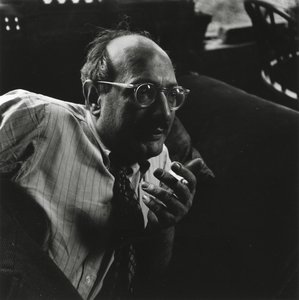
1903 - 1970 , Latvia

Explore the profound emotional depth of Color Field painting. Discover the history of mid-century abstraction, from Rothko to Newman, and learn how pure color transforms the viewer's experience through our expert art history guide.
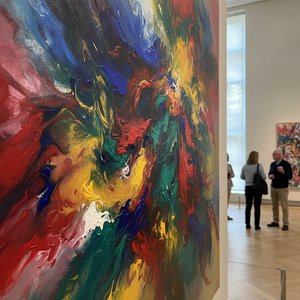
Explore the profound emotional depth of Lyrical Abstraction. Discover how masters like Raymond Parker used color and form to bridge Impressionism and Abstract Expressionism. Learn about this pivotal movement through our expert-led art history guide.

Explore the profound history and emotional depth of Abstract Expressionism. From Jackson Pollock to Mark Rothko, master the nuances of the New York School through our expert art history guide. Discover museum-quality hand-painted reproductions for your collection.


Pysy ajan tasalla uusimmista taideuutisista, eksklusiivisista tarjouksista ja sisustusideoista.
Kerro meille projektistasi, niin taideasiantuntijamme tarjoavat sinulle kolme henkilökohtaista taidesuositusta.
Anna meidän kuratoida 3 vaihtoehtoa juuri sinulle – Ilmaiseksi!


 Esikatselu
 Jaa
Jaa Jaa
Jaa
 Tarkemmat tiedot

 Lataa
Lataa
 Samanlaisia
 Röntgenkuva
 Diaesitys
 Näytä lisää







 Lasivaihtoehto on saatavilla vain alle 110 cm kokoisina teoksina


