


x

 Acrylic On CanvasWallArtAbstract Expressionism
 1962
1962 279.0 x 235.0 cm
Museolaatuisia giclée- tai kankaitaulun tulosteita nopealla tuotannolla ja joustavilla viimeistelyvaihtoehdoilla. ( Osta käsintehty maalaus Osta kuva)





























Valitse valmiista mitoistamme sellaiset, jotka vastaavat teoksen alkuperäisiä mittasuhteita.

Voit syöttää omat mitat sopiaksesi tiettyyn kehykseen tai tilaan. Jos valittu koko ei vastaa alkuperäisen kuvan mittasuhteita, rajaamme teosta tai laajennamme kuvaa peilatulla tai yhtenäisellä reunalla. Digitaalinen mallikuva lähetetään hyväksyttäväksi ennen tuotannon aloittamista.
Huomaathan, että näytöllä näkyvä esikatselu ei vastaa lopullista rajausta tai laajennusta. Vain mallikuva näyttää lopullisen sommittelun tarkasti.
Vaikka räätälöityjä kokoja on saatavilla, suosittelemme valitsemaan mitat valmiista listasta alkuperäisten mittasuhteiden säilyttämiseksi.
Toimitus maailmanlaajuisesti () kahdessa viikossa tavallisen 4–5 viikon sijaan. (21 elokuu)


Untitled (Harvard Mural sketch)
Replikaatin koko
Mark Rothko’s “Untitled (Harvard Mural sketch)” is not merely a preparatory drawing; it's a concentrated distillation of the artist’s core philosophy – a profound exploration of human emotion through the austere language of color and form. Created in 1962, during his ambitious undertaking to design a mural for Harvard University’s Holyoke Center, this piece offers an intimate glimpse into Rothko’s creative process, revealing the genesis of monumental works that would later captivate audiences worldwide. The sketch itself is deceptively simple: a large, white square dominates the composition, set against a stark red background. Yet, within this reductive arrangement lies a wealth of potential – a pregnant pause before the explosion of color and feeling that characterizes his mature paintings.
(Image source: Harvard Art Museums)
Born in Daugavpils, Latvia, in 1903 – a region steeped in historical and personal displacement – Mark Rothko’s early life profoundly shaped his artistic vision. The anxieties of a Jewish family living under the shadow of pogroms and political instability instilled within him a deep sensitivity to human suffering, a theme that would become a recurring motif throughout his oeuvre. This sketch, created during a period of intense experimentation, reflects this preoccupation with existential themes. Rothko’s move to Portland, Oregon, in 1913, marked a significant shift, exposing him to the burgeoning American art scene and influencing his evolving style. The Harvard mural project itself was a pivotal moment, pushing him to explore large-scale color relationships – a trajectory that ultimately led to the development of his signature “color field” paintings.
The deliberate simplicity of this sketch is crucial to understanding Rothko’s artistic intent. He abandoned traditional representational techniques, opting instead for abstract forms that aimed to evoke direct emotional responses in the viewer. The red background isn't merely a backdrop; it acts as an active element, intensifying the impact of the white square and creating a sense of contained energy. The loose lines and monochromatic palette on cream paper suggest a preliminary study – a fleeting moment captured before the final, more considered application of color. Rothko’s process was often described as intuitive; he would apply layers of paint, allowing them to bleed and merge, seeking to create an atmosphere of profound stillness and contemplation.
The influence of the Rothko Chapel in Houston, Texas, is undeniable. Commissioned by John and Dominique de Menil, this non-denominational space features fourteen monumental paintings by Rothko – a testament to his belief that color could transcend religious or philosophical boundaries. The Chapel’s architecture, designed with Rothko's input, mirrors the contemplative nature of his art, creating an environment conducive to spiritual reflection. The sketch for the Harvard mural shares a similar spirit of quiet intensity, hinting at the monumental works that would ultimately find their home within this sacred space. Studying this preparatory drawing offers a unique opportunity to appreciate the evolution of Rothko’s artistic vision and the profound impact he had on the development of abstract expressionism.

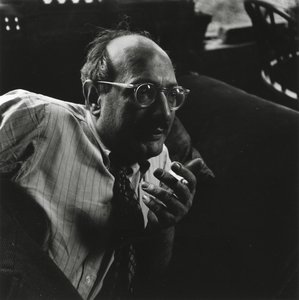
1903 - 1970 , Latvia

Explore the profound emotional depth of Color Field painting. Discover the history of mid-century abstraction, from Rothko to Newman, and learn how pure color transforms the viewer's experience through our expert art history guide.

Explore the profound emotional depth of Color Field painting. Our expert guide delves into the post-war origins of Abstract Expressionism, analyzing masterpieces by Rothko and Newman. Discover museum-grade, hand-painted oil reproductions that bring art history to your walls.

Explore the profound history and emotional depth of Color Field painting. From Mark Rothko to Barnett Newman, discover how pure color redefined modern art through our expert-led guide for students and collectors alike.

Explore the profound history and emotional depth of Abstract Expressionism. From Jackson Pollock to Mark Rothko, master the nuances of the New York School through our expert art history guide. Discover museum-quality hand-painted reproductions for your collection.


Pysy ajan tasalla uusimmista taideuutisista, eksklusiivisista tarjouksista ja sisustusideoista.
Kerro meille projektistasi, niin taideasiantuntijamme tarjoavat sinulle kolme henkilökohtaista taidesuositusta.
Anna meidän kuratoida 3 vaihtoehtoa juuri sinulle – Ilmaiseksi!


 Esikatselu
 Jaa
Jaa Jaa
Jaa
 Tarkemmat tiedot

 Lataa
Lataa
 Samanlaisia
 Röntgenkuva
 Diaesitys
 Näytä lisää







 Lasivaihtoehto on saatavilla vain alle 110 cm kokoisina teoksina


