


x

 Preview
 Tilaa maalaus Osta kuva
 Jaa
Jaa
 Tarkemmat tiedot
 Lisää suosikkeihin
 Lataa
Lataa
 Samanlaisia
 Röntgenkuva
 Diaesitys
Museolaatuisia giclée- tai kankaitaulun tulosteita nopealla tuotannolla ja joustavilla viimeistelyvaihtoehdoilla.





























Valitse valmiista mitoistamme sellaiset, jotka vastaavat teoksen alkuperäisiä mittasuhteita.

Voit syöttää omat mitat sopiaksesi tiettyyn kehykseen tai tilaan. Jos valittu koko ei vastaa alkuperäisen kuvan mittasuhteita, rajaamme teosta tai laajennamme kuvaa peilatulla tai yhtenäisellä reunalla. Digitaalinen mallikuva lähetetään hyväksyttäväksi ennen tuotannon aloittamista.
Huomaathan, että näytöllä näkyvä esikatselu ei vastaa lopullista rajausta tai laajennusta. Vain mallikuva näyttää lopullisen sommittelun tarkasti.
Vaikka räätälöityjä kokoja on saatavilla, suosittelemme valitsemaan mitat valmiista listasta alkuperäisten mittasuhteiden säilyttämiseksi.
Toimitus maailmanlaajuisesti () kahdessa viikossa tavallisen 4–5 viikon sijaan. (24 heinäkuu)


Skulls
Replikaatin koko
Marlene Dumas’s paintings are instantly recognizable for their stark simplicity—often consisting of just a few figures rendered in muted tones against sparsely populated backgrounds. Yet, beneath this deceptively calm surface lies an unsettling exploration of human vulnerability and the inescapable presence of death. Born in Cape Town, South Africa, in 1953, Dumas’s artistic vision has been profoundly shaped by her upbringing amidst the turbulent legacy of apartheid, fostering a deep sensitivity to social injustice and the complexities inherent in defining identity.
Her formative years on her father’s vineyard instilled within her an acute awareness of the divisions that characterized South African society—a landscape simultaneously beautiful and scarred by history. This early exposure fueled her artistic impulse to grapple with themes of race, sexuality, and the psychological burden of existence. Dumas honed her skills at the University of Cape Town before relocating to Amsterdam, where she pursued studies in painting and psychology concurrently.
Dumas’s distinctive technique—characterized by loose brushstrokes, dripping paint, and a deliberate rejection of meticulous detail—serves as a conduit for conveying profound emotional resonance. She draws inspiration from a private archive of photographs, meticulously curated to encompass subjects ranging from children to erotic nudes, corpses, torture victims, and terrorists. This selection reflects her unwavering commitment to confronting uncomfortable truths about human experience and challenging conventional perceptions.
The recurring motif of skulls—a symbol of mortality and contemplation—dominates her oeuvre, prompting viewers to confront existential questions about life's fragility and impermanence. Dumas’s paintings don’t merely depict death; they invite us to consider it as an integral component of the human condition. Her aim isn’t to showcase gruesome imagery but rather to reveal underlying anxieties and vulnerabilities—to illuminate the profound psychological dimensions of confronting mortality.
Her artistic process deliberately disrupts photographic sources, reclaiming corporeality within the visual realm. The resulting images evoke a palpable sense of unease alongside empathy, prompting reflection on issues of gender, race, and ethnicity. Dumas’s paintings stand as powerful testimonies to the enduring capacity for art to provoke dialogue and challenge ingrained biases—a legacy rooted in her formative experiences amidst South Africa's turbulent past.
Consider commissioning a high-quality reproduction from Most-Famous-Paintings.com to bring Dumas’s evocative imagery into your home or studio, allowing you to appreciate the subtle nuances of her masterful technique and profound artistic vision.


1953 - , Etelä Afrikka

Tutustu muotokuvauksen rajattomiin mahdollisuuksiin! Tilaa henkilökohtainen taideteos ammattitaiteilijoilta. Taiteellinen mukauttaminen, tunteiden syvyys ja korkealaatuinen toteutus takaavat unohtumattoman lopputuloksen.

Explore the rich history of portrait painting with expert insights into Renaissance masterpieces & modern innovations. Discover artists, movements & commission a custom oil painting at Most-Famous-Paintings.
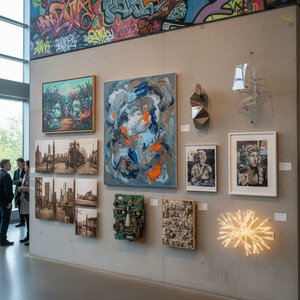
Explore 10 defining masterpieces of contemporary art – from Jeff Koons to Yayoi Kusama. Discover the stories behind iconic paintings & sculptures, and find museum-quality reproductions for your home at Most-Famous-Paintings.com. Explore the full collection online!

Tutustu öljymaalaustaidon perinteisiin ja digitaalisen visualisoinnin mahdollisuuksiin. Tilaa uniikki, korkealaatuinen taideteos ammattitaitoisilta taiteilijoiltamme. Taidekonsultointi ja henkilökohtainen palvelu.

Tutustu 10 nykyreaalismin mestariteokseen! Uppoudu taiteilijoiden tarinoihin, tekniikoihin ja ajattomiin maalauksiin. Löydä inspiraatiota kodin sisustukseen Most-Famous-Paintings.com:ista – korkealaatuiset taidetulosteet ja kuratoidut kokoelmat odottavat! Tutki kokoelma verkossa.


Pysy ajan tasalla uusimmista taideuutisista, eksklusiivisista tarjouksista ja sisustusideoista.
Kerro meille projektistasi, niin taideasiantuntijamme tarjoavat sinulle kolme henkilökohtaista taidesuositusta.
Anna meidän kuratoida 3 vaihtoehtoa juuri sinulle – Ilmaiseksi!


 Jaa
Jaa


 Näytä lisää







 Lasivaihtoehto on saatavilla vain alle 110 cm kokoisina teoksina


