x

 Oil On CanvasWallArtEarly Netherlandish Painting
 1467Renaissance
 221.0 x 161.0 cm
 Gdańskin kansallismuseo
Käsinmaalattu öljyväri kankaalle haluamassasi koossa ja kehyksissä, taiteilijoidemme valmistamana tilauksesta. ( Osta printti Osta kuva)





























Valitse valmiista mitoistamme sellaiset, jotka vastaavat teoksen alkuperäisiä mittasuhteita.

Voit syöttää omat mitat sopimaan tiettyyn kehykseen tai tilaan. Jos valitsemasi koko ei vastaa alkuperäisen kuvan mittasuhteita, rajaamme taideteoksen tai jatkamme maalausta käsin maalatuilla elementeillä. Digitaalinen esikatselu lähetetään hyväksyttäväksi ennen tuotannon aloittamista.
Huomioithan, että näytöllä oleva esikatselu ei vastaa todellista rajausta tai jatkamista. Vain digitaalinen mallikuva näyttää lopullisen sommittelun tarkasti.
Vaikka mittatilaustyöt ovat mahdollisia, suosittelemme valitsemaan mitan ennalta määritetystä listasta alkuperäisten mittasuhteiden säilyttämiseksi.
Maailmanlaajuinen toimitus () 3–4 viikossa tavallisen 5 viikon sijaan. (15 elokuu). Laadusta ei tingitä.


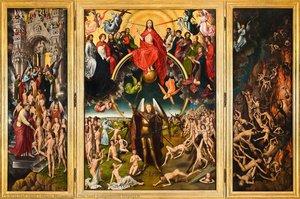
Last Judgment Triptych (open)
Replikaatin koko
The Last Judgment Triptych by Hans Memling, completed in 1467, is more than just a religious painting; it’s a meticulously crafted meditation on mortality, judgment, and the enduring power of faith. Measuring 221 x 161 cm, this triptych offers an immersive experience into the heart of Early Netherlandish art – a style renowned for its startling realism, profound spiritual depth, and the almost sculptural quality of its figures. Created during Memling’s peak period in Bruges, the painting exemplifies his mastery of detail and his ability to evoke powerful emotional responses from the viewer.
The Last Judgment was a central theme in medieval Christian art, representing the day of reckoning when all souls would be judged by God. Memling’s triptych meticulously depicts this event, rich with symbolic meaning. The presence of objects like the clock – a reminder of the fleeting nature of time – and the book – symbolizing divine law – underscores the urgency of the moment. The diverse group of figures represents humanity in its entirety, reflecting the universality of judgment. Note the inclusion of angels, representing divine grace and mercy, alongside demons, embodying sin and damnation.
Created in Bruges during the Burgundian period, this triptych reflects the city’s status as a major European center for art and commerce. Bruges was a hub for wealthy patrons – merchants and nobles – who commissioned works like this one, fueling the artistic innovation of artists such as Memling. The painting speaks to the anxieties and beliefs of a society grappling with religious upheaval and the constant awareness of mortality. It’s a testament to the enduring power of faith in a world facing uncertainty.
The Last Judgment Triptych continues to resonate with viewers today, not just for its technical brilliance but also for its profound emotional impact. Memling’s ability to capture the vulnerability and despair of human souls is truly remarkable. The painting forces us to confront our own mortality and consider the consequences of our actions. It's a work that demands contemplation and invites reflection on the fundamental questions of life, death, and judgment – a timeless masterpiece that transcends its historical context.

Saksa

Tutustu alkuflaamilaisen maalauksen 10 mestariteokseen – Jan van Eyckistä Hieronymus Boschiin. Taidetta, historiaa ja inspiraatiota kotiisi Most-Famous-Paintingsilta. Laadukkaat öljyvärimaalaukset ja sisustusehdotukset odottavat! Tutki kokoelma verkossa.

Explore the captivating world of Early Netherlandish painting! Discover Jan van Eyck, Hans Memling & more. Uncover symbolism, techniques & the legacy of these Flemish masters. A comprehensive guide for art enthusiasts.

Tutustu alkuflaamin renessanssin 10 mestariteokseen! Jan van Eyckin, Rogier van der Weydenin ja muiden taiteilijoiden ikonisia maalauksia. Öljyvärimaalauksen huippua – löydä inspiraatiota kotiisi Most-Famous-Paintings.comista. Tutustu kokoelma!

Explore the captivating world of Early Netherlandish painting (15th-16th centuries). Discover Jan van Eyck, Hans Memling & more. Uncover revolutionary techniques and hidden symbolism in this definitive guide.
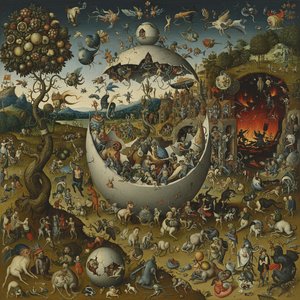
Uppoudu Hieronymus Boschin kiehtovaan maailmaan! Tutustu 25 mestariteokseen, jotka yhdistävät symboliikkaa, mystiikkaa ja uskonnollisia teemoja. Löydä taideprintit ja sisustusinspiraatio Most-Famous-Paintings.comista – museo-laatuista laatua kotiisi.


Pysy ajan tasalla uusimmista taideuutisista, eksklusiivisista tarjouksista ja sisustusideoista.
Kerro meille projektistasi, niin taideasiantuntijamme tarjoavat sinulle kolme henkilökohtaista taidesuositusta.
Anna meidän kuratoida 3 vaihtoehtoa juuri sinulle – Ilmaiseksi!


 Esikatselu
 Jaa
Jaa Jaa
Jaa
 Tarkemmat tiedot

 Lataa
Lataa
 Samanlaisia
 Röntgenkuva
 Diaesitys
 Näytä lisää







 Lasivaihtoehto on saatavilla vain alle 110 cm kokoisina teoksina