


x

Museolaatuisia giclée- tai kankaitaulun tulosteita nopealla tuotannolla ja joustavilla viimeistelyvaihtoehdoilla. ( Osta käsintehty maalaus Osta kuva)





























Valitse valmiista mitoistamme sellaiset, jotka vastaavat teoksen alkuperäisiä mittasuhteita.

Voit syöttää omat mitat sopiaksesi tiettyyn kehykseen tai tilaan. Jos valittu koko ei vastaa alkuperäisen kuvan mittasuhteita, rajaamme teosta tai laajennamme kuvaa peilatulla tai yhtenäisellä reunalla. Digitaalinen mallikuva lähetetään hyväksyttäväksi ennen tuotannon aloittamista.
Huomaathan, että näytöllä näkyvä esikatselu ei vastaa lopullista rajausta tai laajennusta. Vain mallikuva näyttää lopullisen sommittelun tarkasti.
Vaikka räätälöityjä kokoja on saatavilla, suosittelemme valitsemaan mitat valmiista listasta alkuperäisten mittasuhteiden säilyttämiseksi.
Toimitus maailmanlaajuisesti () kahdessa viikossa tavallisen 4–5 viikon sijaan. (18 elokuu)


Mountain Abode
Replikaatin koko
Nicholas Roemerich's "Mountain Abode," painted in 1933, is more than just a depiction of a rugged mountain scene; it’s a profound meditation on the relationship between humanity and the natural world, imbued with the artist’s deeply held spiritual beliefs. This evocative work captures a moment of serene isolation within a vast, imposing landscape – a theme central to Roerich's oeuvre and reflective of the broader artistic currents of the early 20th century.
Roerich’s artistic style is characterized by a meticulous realism combined with a deliberate infusion of symbolism. His brushwork is precise yet expressive, conveying both the tangible texture of stone and snow and the intangible quality of spiritual experience. The use of color is particularly noteworthy – the dominant blues evoke a sense of melancholy and contemplation, while the whites of the snow represent purity and transcendence. The artist’s training at the Imperial Academy of Arts clearly informed his technical skill, but it was Roerich's unique vision that elevated his work beyond mere representation.
"Mountain Abode" was created during a period of significant intellectual and spiritual ferment in Russia. Roerich was deeply involved in the burgeoning interest in esoteric traditions, particularly those connected to ancient civilizations and shamanistic practices. He believed that art could be a powerful tool for promoting peace and understanding between cultures, and his work often incorporated symbols drawn from various religious and philosophical systems – including elements of Buddhism, Hinduism, and theosophy. The "abode" itself can be interpreted as a symbol of refuge, spiritual retreat, and connection to primordial forces.
Roerich’s extensive travels throughout Central Asia and Tibet profoundly influenced his artistic vision, shaping his understanding of landscape as a reflection of inner states and a conduit for spiritual insight.“Mountain Abode” possesses a powerful emotional resonance, inviting the viewer to contemplate themes of solitude, resilience, and the enduring connection between humanity and nature. The painting’s stark beauty and sense of quiet contemplation have ensured its place as one of Roerich's most celebrated works. Its depiction of a remote mountain dwelling speaks to a timeless human desire for sanctuary and spiritual renewal – a sentiment that continues to captivate audiences today.


1874 - 1947 , Venäjä

Uppoudu 10 tunnetuimman taideteoksen maailmaan, joita hallitsee liukuväri! Tutustu impressionismin ja postimpressionismin mestareihin sekä sinisen sävyjen merkitykseen. Löydä inspiraatiota kotiisi Most-Famous-Paintings.com:ista – laadukkaat taidevedokset ja kuratoidut sisustusratkaisut odottavat! Tutustu kokoelm
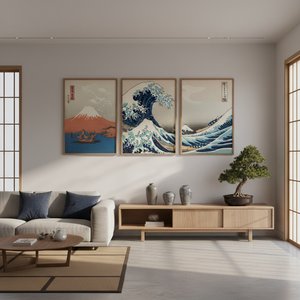
Tutustu Katsushika Hokusain 25 mestariteokseen! Ukiyo-e taidetta, Fuji-vuori ja ikoninen Suuri aalto Kanagawassa. Löydä japanilaisen estetiikan kauneus ja inspiroi sisustusta museolaatuisilla taideprintteillä Most-Famous-Paintings.comissa.

Explore the captivating art of Nicholas Roerich – a visionary painter whose Himalayan landscapes blend spiritual mysticism with cultural preservation. Discover his legacy & symbolism.
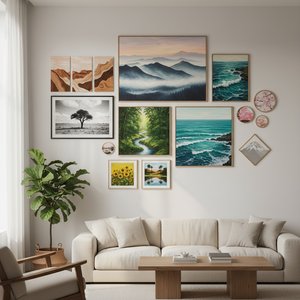
Uppoudu maisemataiteen maailmaan! Tutustu 10 inspiroivaan teokseen Monet'sta van Goghiin. Taideteosten tarinat, tekniikat ja tunnelmat – löydä täydellinen taulu kotiisi Most-Famous-Paintings.comista. Explore the full collection online!

Transform your home with soulful blue art. From serene Monet impressions to modern textured sculptures, discover curated masterpieces designed to inspire calm. Explore expert art consultations and bespoke hand-painted reproductions to create your personal sanctuary.


Pysy ajan tasalla uusimmista taideuutisista, eksklusiivisista tarjouksista ja sisustusideoista.
Kerro meille projektistasi, niin taideasiantuntijamme tarjoavat sinulle kolme henkilökohtaista taidesuositusta.
Anna meidän kuratoida 3 vaihtoehtoa juuri sinulle – Ilmaiseksi!


 Esikatselu
 Jaa
Jaa Jaa
Jaa
 Tarkemmat tiedot

 Lataa
Lataa
 Samanlaisia
 Röntgenkuva
 Diaesitys

 Näytä lisää







 Lasivaihtoehto on saatavilla vain alle 110 cm kokoisina teoksina


