x

Käsinmaalattu öljyväri kankaalle haluamassasi koossa ja kehyksissä, taiteilijoidemme valmistamana tilauksesta. ( Siirry tulosteeseen Vaihda kuvaksi)





























Valitse valmiista mitoistamme sellaiset, jotka vastaavat teoksen alkuperäisiä mittasuhteita.

Voit syöttää omat mitat sopimaan tiettyyn kehykseen tai tilaan. Jos valitsemasi koko ei vastaa alkuperäisen kuvan mittasuhteita, rajaamme taideteoksen tai jatkamme maalausta käsin maalatuilla elementeillä. Digitaalinen esikatselu lähetetään hyväksyttäväksi ennen tuotannon aloittamista.
Huomioithan, että näytöllä oleva esikatselu ei vastaa todellista rajausta tai jatkamista. Vain digitaalinen mallikuva näyttää lopullisen sommittelun tarkasti.
Vaikka mittatilaustyöt ovat mahdollisia, suosittelemme valitsemaan mitan ennalta määritetystä listasta alkuperäisten mittasuhteiden säilyttämiseksi.
Maailmanlaajuinen toimitus () 3–4 viikossa tavallisen 5 viikon sijaan. (10 elokuu). Laadusta ei tingitä.


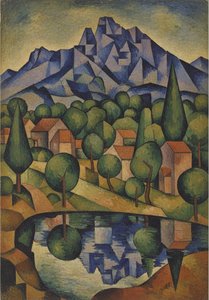
Talot ja puut
Replikaatin koko
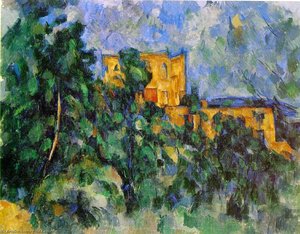
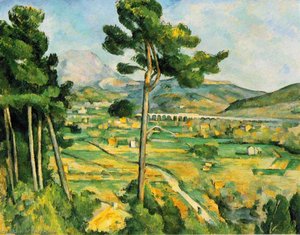
Paul Cézanne’s “House and Trees” (Maison et arbres), painted in 1890-94 and currently residing within the esteemed collection of The Barnes Foundation in Philadelphia, isn't merely a landscape; it’s a profound exploration of form, perspective, and the very essence of seeing. This pivotal work marks a decisive shift away from the fleeting impressions of Impressionism towards a more enduring, structural approach to art – a movement that would profoundly influence generations of artists to come. It represents a moment where Cézanne wrestled with how to capture not just what he *saw*, but what he *knew* was there beneath the surface of reality.
The scene is deceptively simple: a modest stone house nestled amongst a grove of olive trees, bathed in the hazy light of Provence. Yet, Cézanne’s genius lies not in replicating a photographic likeness, but in dismantling traditional perspective and constructing a new visual language. He abandons the single vanishing point that dominates Western art for centuries, instead presenting multiple viewpoints simultaneously within a single frame. This isn't an illusion; it’s a deliberate attempt to represent the underlying geometry of objects – the rectangular forms of the house, the triangular shapes of the trees, all rendered with a meticulous attention to detail and a radical simplification of form.
Cézanne's technique is characterized by his distinctive use of color and brushwork. He employs broken planes of color – small, distinct strokes applied in parallel or slightly overlapping directions – to build up the surfaces of objects. These strokes aren’t blended smoothly; instead, they retain their individual character, creating a vibrant, textured effect that captures the play of light and shadow. The colors are rich and earthy, dominated by greens, browns, and blues, reflecting the natural palette of Provence. Notice how he uses color not to mimic reality, but to define form and create depth – a subtle shift from the Impressionists’ focus on capturing fleeting moments of light.
The brushstrokes themselves are incredibly important. They're not delicate or refined; they’re bold, assertive, and almost sculptural. Cézanne wasn’t interested in creating an illusion of smoothness; he wanted to convey the *act* of painting – the physicality of applying paint to canvas. This deliberate roughness adds a sense of immediacy and energy to the work, inviting the viewer to engage with the surface of the painting itself.
Cézanne’s artistic journey was shaped by a complex interplay of influences. He deeply admired the Impressionists – Monet's dappled light and Renoir's vibrant colors – but he recognized their limitations. He sought to move beyond mere optical impressions towards a more fundamental understanding of form. He also drew inspiration from Realist painters like Jean-François Millet, who depicted everyday life with unflinching honesty. However, Cézanne’s true innovation lay in his willingness to challenge established conventions and experiment with new ways of representing space and time.
“House and Trees” is a crucial stepping stone towards Cubism, an artistic movement that would further dismantle traditional perspective and explore the multiple facets of objects. Artists like Picasso and Braque were profoundly influenced by Cézanne’s approach to form, recognizing his pioneering spirit in questioning established norms. His work represents a bridge between the past and the future, demonstrating a profound understanding of both tradition and innovation.
Beyond its formal innovations, “House and Trees” also possesses a quiet emotional resonance. The house, simple and unassuming, suggests a sense of stability and permanence – a refuge from the uncertainties of life. The trees, reaching towards the sky, evoke feelings of connection to nature and a longing for something beyond the material world. Cézanne’s deliberate simplification of form allows the viewer to project their own emotions and experiences onto the scene, creating a deeply personal and evocative experience.
This painting is more than just a depiction of a landscape; it's an invitation to contemplate the nature of perception, the relationship between art and reality, and the enduring power of human creativity. It remains a cornerstone of Post-Impressionism and a testament to Cézanne’s revolutionary vision.


1839 - 1906 , Ranska
Tutustu Paul Cézannen 25 vaikuttavinta mestariteosta! Postimpressionismin huipputeoksia, still life -maalauksia ja ikonisia maisemia. Löydä taiteen tarinat ja inspiroi kotisi sisustusta Most-Famous-Paintings.com:ssa. Tutki kokoelma verkossa!

Tutustu 10 ikoniseen impressionistimaisemaan! Claude Monet’n ja muiden mestareiden teokset heräävät eloon. Taiteen historiaa, tekniikoita ja inspiraatiota kotiisi – Most-Famous-Paintings.com:sta löydät museolaatuiset taideprintit ja sisustusehdotukset. Tutki kokoelma verkossa!

Tutustu impressionismin lumoavaan maailmaan! Koe Claude Monet'n, Renoir'n ja muiden mestareiden ikonisten maisemamaalausten tarinat. Löydä inspiraatiota sisustukseen Most-Famous-Paintingsista – taidetta museolaadulla. Explore the full collection online!
Uppoudu maisemataiteen maailmaan! Tutustu 10 inspiroivaan teokseen Monet'sta van Goghiin. Taideteosten tarinat, tekniikat ja tunnelmat – löydä täydellinen taulu kotiisi Most-Famous-Paintings.comista. Explore the full collection online!
Explore the profound legacy of Paul Cézanne. Discover how his mastery of geometric forms and vibrant color bridged Impressionism and Cubism, offering timeless inspiration for fine art collectors and enthusiasts seeking to understand the foundations of modern art.


Pysy ajan tasalla uusimmista taideuutisista, eksklusiivisista tarjouksista ja sisustusideoista.
Kerro meille projektistasi, niin taideasiantuntijamme tarjoavat sinulle kolme henkilökohtaista taidesuositusta.
Anna meidän kuratoida 3 vaihtoehtoa juuri sinulle – Ilmaiseksi!


 Esikatselu
 Jaa
Jaa Jaa
Jaa
 Tarkemmat tiedot

 Lataa
Lataa
 Samanlaisia
 Röntgenkuva
 Diaesitys

 Näytä lisää







 Lasivaihtoehto on saatavilla vain alle 110 cm kokoisina teoksina