x


 Tilaa painos Osta kuva
 Jaa
Jaa
 Tarkemmat tiedot
 Lisää suosikkeihin
 Lataa
Lataa
 Samanlaisia
 Röntgenkuva
 Diaesitys
 Öljyväri kankaalleSeinätaidePost-Impressionism
 1879luku
 20.0 x 26.0 cm
Käsinmaalattu öljyväri kankaalle haluamassasi koossa ja kehyksissä, taiteilijoidemme valmistamana tilauksesta.





























Valitse valmiista mitoistamme sellaiset, jotka vastaavat teoksen alkuperäisiä mittasuhteita.

Voit syöttää omat mitat sopimaan tiettyyn kehykseen tai tilaan. Jos valitsemasi koko ei vastaa alkuperäisen kuvan mittasuhteita, rajaamme taideteoksen tai jatkamme maalausta käsin maalatuilla elementeillä. Digitaalinen esikatselu lähetetään hyväksyttäväksi ennen tuotannon aloittamista.
Huomioithan, että näytöllä oleva esikatselu ei vastaa todellista rajausta tai jatkamista. Vain digitaalinen mallikuva näyttää lopullisen sommittelun tarkasti.
Vaikka mittatilaustyöt ovat mahdollisia, suosittelemme valitsemaan mitan ennalta määritetystä listasta alkuperäisten mittasuhteiden säilyttämiseksi.
Maailmanlaajuinen toimitus () 3–4 viikossa tavallisen 5 viikon sijaan. (21 heinäkuu). Laadusta ei tingitä.


Three Pears
Replikaatin koko
Paul Cézanne, a French painter celebrated for his pivotal role bridging Impressionism and Cubism, produced numerous works that demonstrate his unique artistic vision. Among these is Three Pears (1879), a still life painting that exemplifies Cézanne's innovative approach to perspective and structure, transforming everyday objects into subjects of profound artistic significance.
Three Pears (1879) is an oil on canvas measuring 20 x 26 cm. The composition features three vibrant green pears suspended from two branches against a warm brown background. This seemingly simple arrangement showcases Cézanne's mastery in using color and form to create depth and visual interest. The pears are not rendered with photographic realism; instead, Cézanne emphasizes their geometric shapes and the interplay of light and shadow on their surfaces. The brown backdrop isn’t merely a setting but actively contributes to the painting’s overall harmony and spatial arrangement.
Cézanne's artistic style is characterized by his deliberate departure from traditional academic art. He prioritized the underlying forms of objects, often employing repetitive brushstrokes and planes of color to construct complex visual fields. This technique, which would later profoundly influence artists like Henri Matisse and Pablo Picasso, marked a significant shift in artistic representation. Rather than striving for an illusionistic depiction of reality, Cézanne sought to capture the essence of form through structured composition and careful observation. His work laid the groundwork for Cubism's exploration of multiple perspectives and fragmented forms.
Initially, Cézanne’s paintings were met with skepticism and even ridicule from contemporary critics who struggled to understand his unconventional approach. However, visionary artists like Camille Pissarro and influential art dealer Ambroise Vollard recognized the genius of his work early on. Vollard's 1895 solo exhibition in Paris proved instrumental in establishing Cézanne’s reputation. His influence extended beyond his lifetime, inspiring generations of artists to challenge conventional artistic norms and explore new avenues of expression. Works like Renoir's Still Life with Fuscias and Melon and Tomatoes demonstrate a similar focus on everyday subjects, reflecting the broader artistic trends of the time.
Three Pears is more than just a still life; it's an exploration of form, color, and perception. The painting evokes a sense of quiet contemplation and invites viewers to appreciate the beauty in simplicity. Cézanne’s masterful use of brushwork and composition creates a visually engaging experience that transcends its subject matter. For those interested in exploring more of Cézanne's work, Peaches, Pears and Grapes is another notable piece that showcases his skill in still life painting.


1839 - 1906 , Ranska
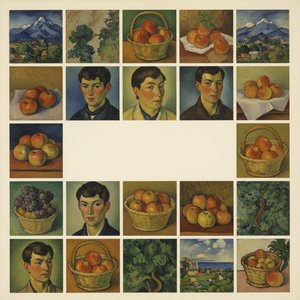
Tutustu Paul Cézannen 25 vaikuttavinta mestariteosta! Postimpressionismin huipputeoksia, still life -maalauksia ja ikonisia maisemia. Löydä taiteen tarinat ja inspiroi kotisi sisustusta Most-Famous-Paintings.com:ssa. Tutki kokoelma verkossa!

Explore the rich history of still life painting with Most-Famous-Paintings. Discover Dutch Masters, decode vanitas symbolism & learn about collecting timeless art. Expert insights and museum-quality reproductions.

Explore the profound emotional depth & innovative techniques of Post-Impressionism with Most-Famous-Paintings. Discover Cézanne, Van Gogh, Gauguin & more – and their lasting impact on modern art.

Explore the rich history & symbolism of still life painting with Most-Famous-Paintings. Discover masterpieces from the Dutch Golden Age, learn about vanitas art, and find expert guidance for collecting timeless artworks.

Löydä täydellinen taide ruokailutilaasi! Most-Famous-Paintings tarjoaa laajan valikoiman korkealaatuisia öljyvärimaalauksia ja digitaalisia reproduktioita. Inspiroidu klassisesta asetelmataiteesta moderniin abstraktiin – asiantuntijoiden avustuksella.


Pysy ajan tasalla uusimmista taideuutisista, eksklusiivisista tarjouksista ja sisustusideoista.
Kerro meille projektistasi, niin taideasiantuntijamme tarjoavat sinulle kolme henkilökohtaista taidesuositusta.
Anna meidän kuratoida 3 vaihtoehtoa juuri sinulle – Ilmaiseksi!


 Jaa
Jaa

 Näytä lisää







 Lasivaihtoehto on saatavilla vain alle 110 cm kokoisina teoksina