x

Käsinmaalattu öljyväri kankaalle haluamassasi koossa ja kehyksissä, taiteilijoidemme valmistamana tilauksesta. ( Osta printti Osta kuva)





























Valitse valmiista mitoistamme sellaiset, jotka vastaavat teoksen alkuperäisiä mittasuhteita.

Voit syöttää omat mitat sopimaan tiettyyn kehykseen tai tilaan. Jos valitsemasi koko ei vastaa alkuperäisen kuvan mittasuhteita, rajaamme taideteoksen tai jatkamme maalausta käsin maalatuilla elementeillä. Digitaalinen esikatselu lähetetään hyväksyttäväksi ennen tuotannon aloittamista.
Huomioithan, että näytöllä oleva esikatselu ei vastaa todellista rajausta tai jatkamista. Vain digitaalinen mallikuva näyttää lopullisen sommittelun tarkasti.
Vaikka mittatilaustyöt ovat mahdollisia, suosittelemme valitsemaan mitan ennalta määritetystä listasta alkuperäisten mittasuhteiden säilyttämiseksi.
Maailmanlaajuinen toimitus () 3–4 viikossa tavallisen 5 viikon sijaan. (17 elokuu). Laadusta ei tingitä.


Trees
Replikaatin koko
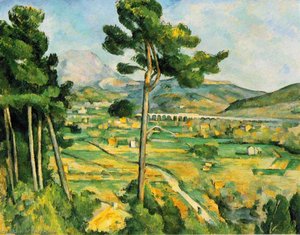
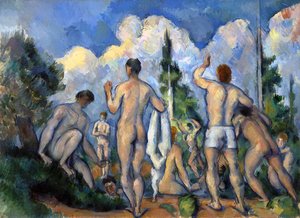
Paul Cézanne's "Trees," painted in 1884, transcends mere depiction; it embodies a revolutionary vision that fundamentally reshaped the landscape of modern art. Initially dismissed by critics as amateurish and lacking artistic merit, this deceptively simple composition—a field strewn with trees against a hazy backdrop of a modest house—became Cézanne’s cornerstone work, establishing his distinctive approach to capturing the essence of nature.
Painted during Cézanne’s formative years in Aix-en-Provence, “Trees” reflects his growing dissatisfaction with Impressionism's preoccupation with capturing atmospheric effects. Influenced by Japanese prints—particularly those depicting landscapes—Cézanne sought to distill nature into its fundamental geometric components, mirroring the aesthetic principles of Japonisme.
His rejection of conventional artistic conventions wasn’t driven by cynicism but by a profound conviction that art should strive for intellectual rigor and emotional resonance. Cézanne believed that artists had a responsibility to represent reality accurately, albeit in a way that transcends mere visual representation—a sentiment echoed in his lifelong dedication to exploring the complexities of perception.
"Trees," like many of Cézanne’s works, operates on multiple levels. The solitary trees symbolize resilience and permanence amidst the transient beauty of the natural world. Their stark forms convey a sense of quiet contemplation and introspection—inviting viewers to contemplate the profound connection between humanity and nature.
More importantly, Cézanne's painting represents a pivotal moment in artistic history: it signaled the decisive break from Impressionism’s optical idealism toward a more conceptual approach. It paved the way for subsequent movements like Cubism and Expressionism, establishing Cézanne as one of the most influential artists of the late 19th century.
Today, “Trees” continues to captivate audiences with its understated elegance and masterful execution. Its enduring appeal lies in its ability to communicate a powerful emotional truth—a celebration of beauty found not in fleeting impressions but in the unwavering solidity of form and color. Reproductions of this iconic artwork offer an opportunity to experience Cézanne’s visionary aesthetic firsthand, bringing his profound understanding of nature into any interior space.


1839 - 1906 , Ranska

Explore the profound evolution of Post-Impressionist landscapes. From Van Gogh's emotional brushwork to Cézanne's structural mastery, discover how these visionaries redefined art history through color and form in this expert guide for fine art enthusiasts.


Pysy ajan tasalla uusimmista taideuutisista, eksklusiivisista tarjouksista ja sisustusideoista.
Kerro meille projektistasi, niin taideasiantuntijamme tarjoavat sinulle kolme henkilökohtaista taidesuositusta.
Anna meidän kuratoida 3 vaihtoehtoa juuri sinulle – Ilmaiseksi!


 Esikatselu
 Jaa
Jaa Jaa
Jaa
 Tarkemmat tiedot

 Lataa
Lataa
 Samanlaisia
 Röntgenkuva
 Diaesitys

 Näytä lisää







 Lasivaihtoehto on saatavilla vain alle 110 cm kokoisina teoksina