x

Käsinmaalattu öljyväri kankaalle haluamassasi koossa ja kehyksissä, taiteilijoidemme valmistamana tilauksesta. ( Osta printti Osta kuva)





























Valitse valmiista mitoistamme sellaiset, jotka vastaavat teoksen alkuperäisiä mittasuhteita.

Voit syöttää omat mitat sopimaan tiettyyn kehykseen tai tilaan. Jos valitsemasi koko ei vastaa alkuperäisen kuvan mittasuhteita, rajaamme taideteoksen tai jatkamme maalausta käsin maalatuilla elementeillä. Digitaalinen esikatselu lähetetään hyväksyttäväksi ennen tuotannon aloittamista.
Huomioithan, että näytöllä oleva esikatselu ei vastaa todellista rajausta tai jatkamista. Vain digitaalinen mallikuva näyttää lopullisen sommittelun tarkasti.
Vaikka mittatilaustyöt ovat mahdollisia, suosittelemme valitsemaan mitan ennalta määritetystä listasta alkuperäisten mittasuhteiden säilyttämiseksi.
Maailmanlaajuinen toimitus () 3–4 viikossa tavallisen 5 viikon sijaan. (14 elokuu). Laadusta ei tingitä.


untitled (2863)
Replikaatin koko
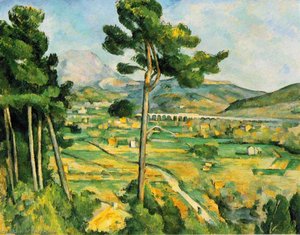
Paul Cézanne, a name synonymous with the dawn of modern art, often explored landscapes and still lifes that quietly revolutionized painting. However, nestled within his extensive oeuvre is a powerfully emotive work – currently known only as “untitled (2863)” – depicting a scene of childbirth. This painting, while lacking specific documentation regarding its creation or intended audience, offers a raw and intimate glimpse into the human experience, rendered with Cézanne’s signature blend of observation and formal innovation. The composition immediately draws the viewer into a private moment: a woman lies upon a bed, her posture suggesting the culmination of labor. The presence of three other figures – two standing observers and one seated attendant holding a bowl, perhaps for sustenance or cleansing – creates a sense of both support and voyeurism. The inclusion of everyday objects like an orange and banana on the left side, alongside a bottle near the center, grounds the scene in domestic reality, contrasting sharply with the monumental event unfolding.
To understand this painting within Cézanne’s broader artistic journey is to appreciate his complex relationship with art history. Born into a relatively prosperous family in Aix-en-Provence, he initially pursued legal studies before dedicating himself fully to painting. His early work was influenced by Romanticism and the Barbizon school, but it was his engagement with Impressionism – and subsequent departure from its fleeting effects – that truly defined his path. While “untitled (2863)” doesn’t exhibit the broken brushstrokes typically associated with Impressionism, it shares a commitment to capturing a specific moment in time. However, Cézanne moves beyond mere visual impression; he is concerned with underlying structure and form. The figures aren't idealized or romanticized as they might have been in earlier historical paintings of similar subjects. Instead, they are rendered with a deliberate solidity, foreshadowing the geometric explorations that would become central to Cubism. The painting’s muted yet vibrant color palette, characteristic of Cézanne’s mature style, further enhances this sense of grounded realism.
The symbolism within “untitled (2863)” is subtle but potent. Birth, universally recognized as a symbol of renewal and life's cyclical nature, is presented not with celebratory grandeur, but with an unflinching honesty. The fruit – the orange and banana – could be interpreted as symbols of fertility and nourishment, while the bowl held by the attendant suggests care and support. However, Cézanne avoids overt symbolism, allowing the emotional weight of the scene to emerge from the raw depiction of human vulnerability. The painting doesn’t offer easy answers or sentimental comfort; it presents a moment of profound physical and emotional intensity. The woman's exposed position, while potentially unsettling to some viewers, is not presented as scandalous but rather as an honest portrayal of the birthing process. It evokes feelings of empathy, awe, and perhaps even a touch of discomfort – emotions that are integral to the experience of witnessing new life enter the world.
Though often celebrated for his still lifes and landscapes, “untitled (2863)” reveals another facet of Cézanne’s artistic genius: his ability to tackle challenging subjects with both sensitivity and formal rigor. This painting, like much of his work, served as a crucial stepping stone towards the development of modern art. His emphasis on underlying structure, his exploration of color and form, and his rejection of traditional perspective paved the way for movements like Cubism, profoundly influencing artists such as Pablo Picasso and Henri Matisse who famously declared Cézanne “the father of us all.” A reproduction of this powerful work offers not only a beautiful addition to any art collection but also a connection to a pivotal moment in art history – a testament to Cézanne’s enduring legacy and his unwavering commitment to capturing the essence of human experience.


1839 - 1906 , Ranska

Explore the profound evolution of Post-Impressionist landscapes. From Van Gogh's emotional brushwork to Cézanne's structural mastery, discover how these visionaries redefined art history through color and form in this expert guide for fine art enthusiasts.


Pysy ajan tasalla uusimmista taideuutisista, eksklusiivisista tarjouksista ja sisustusideoista.
Kerro meille projektistasi, niin taideasiantuntijamme tarjoavat sinulle kolme henkilökohtaista taidesuositusta.
Anna meidän kuratoida 3 vaihtoehtoa juuri sinulle – Ilmaiseksi!


 Esikatselu
 Jaa
Jaa Jaa
Jaa
 Tarkemmat tiedot

 Lataa
Lataa
 Samanlaisia
 Röntgenkuva
 Diaesitys
 Näytä lisää







 Lasivaihtoehto on saatavilla vain alle 110 cm kokoisina teoksina