


x
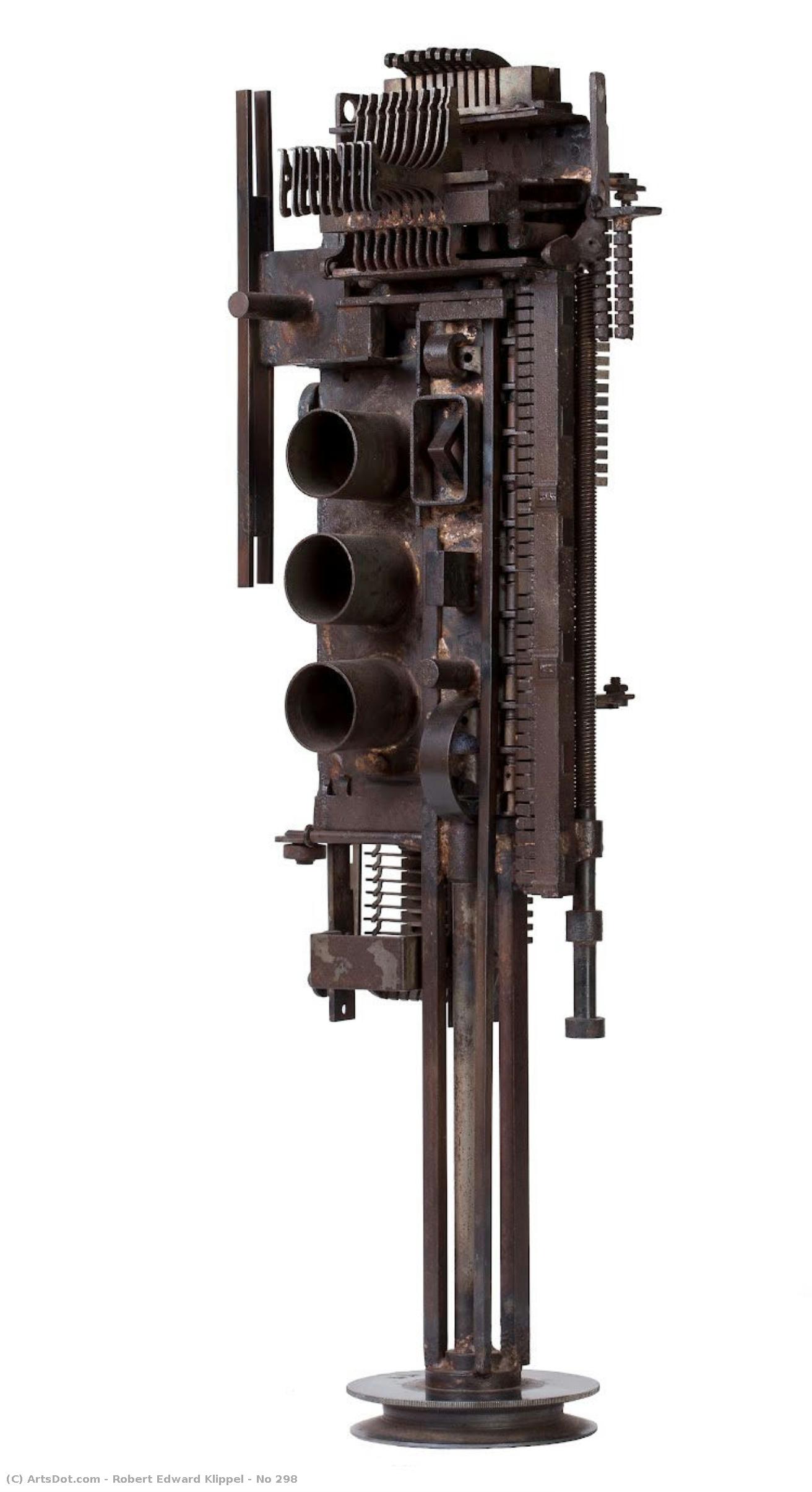
 1974
1974 48.0 x 17.0 cm
 Penrith Regional Gallery - Lewersin perinnön koti
Osta korkearesoluutioinen, parannettu digitaalikuva, joka on laadultaan huomattavasti parempi kuin verkkosivuston esikatselu.
Jokainen tiedosto valmistellaan huolellisesti omien asiantuntijoidemme toimesta käyttäen edistyneitä työkaluja ja ammattitaitoista manuaalista retusointia. Varmistamme, että jokaisessa kuvassa on poikkeuksellinen selkeys, tarkka värintoisto ja hienovaraiset yksityiskohdat.
Lopputiedosto toimitetaan sähköpostitse 72 tunnin kuluessa, ja se on optimoitu välittömään käyttöön ammattimaisissa, toimituksellisissa ja painoympäristöissä. Laatu on sama, johon huipputason suunnittelustudiot, kustantajat ja galleriat luottavat.
Lataa korkearesoluutioinen tiedosto henkilökohtaiseen näyttelyyn, tulostamiseen ja luoviin projekteihin. ( Osta printti Osta käsintehty maalaus)
Kun valitset Most-Famous-Paintings.com-palvelun, et saa vain kuvaa – saat ammattimaisesti parannetun digitaalisen taideteoksen, joka on luotu tarkkuudella ja jonka takaa tulee tyytyväisyystakuu. Tässä on kaikki, mitä tilauksesi sisältää, automaattisesti:

Korkearesoluutioinen digitaalinen kuvatiedostosi lähetetään sähköpostiisi 72 tunnin kuluessa tilauksesta – valmiina käytettäväksi välittömästi.

Taiteilijasi teos on optimoitu ammattimaisesti edistyneiden tekoälytyökalujen ja manuaalisen muokkauksen avulla, mikä takaa maksimaalisen yksityiskohtaisuuden, selkeyden ja väritarkkuuden.

Oletko vahingossa poistanut tai kadottanut tiedostosi? Ei hätää – lähetämme sen sinulle uudelleen milloin tahansa täysin maksutta.

Nauti taiteestasi välittömästi ilman tulleja, veroja tai toimitusmaksuja – digitaaliset lataukset ovat aina verovapaita.

Varmistamme, että digitaalinen kuvasi vastaa alkuperäisiä värejä mahdollisimman tarkasti käyttämällä ammattilaistason työkaluja ja värinhallintaa.

Jos et ole tyytyväinen digitaaliseen kuvaasi, muokkaamme sitä tai palautamme 100% takaisin 60 päivän kuluessa – ilman kysymyksiä.

Etkö ole tyytyväinen? Saat täyden hyvityksen 60 päivän kuluessa digitaalisen tiedostosi vastaanottamisesta – ilman kyselyitä.

Osta 3 kuvaa, säästä 10% - Osta 5, säästä 15% - Osta 10+, säästä 20%. Erinomainen valinta luoviin projekteihin, gallerioille ja toimistoille.

Robert Klippel, born in Potts Point, Sydney, on June 19, 1920, possessed an innate inclination towards construction from a young age. This early fascination wasn’t rooted in formal artistic training but rather in the practical joy of making—specifically, building model ships. These weren't mere toys; they were meticulously crafted representations born from a childhood ferry ride on Sydney Harbour that sparked a lifelong passion for form and structure. This initial impulse would unexpectedly intertwine with his wartime experiences. Enlisting in the Royal Australian Navy in 1939, Klippel found himself employed not as a combatant but as a model-maker at the Naval Gunnery, tasked with creating miniature aircraft and ships for training purposes. This period honed his technical skills and instilled a deep understanding of spatial relationships—a foundation that would prove crucial to his later artistic endeavors.
Though he briefly enrolled in sculpture studies at East Sydney Technical College after the war, Klippel quickly found the constraints of traditional education stifling. He yearned for exploration beyond established norms, leading him to London in 1947 and then Paris, seeking immersion in the burgeoning modernist art scene. It was during these formative years that he encountered James Gleeson, a pivotal figure in Australian Surrealism, with whom he embarked on a significant collaborative carving—a work titled “Madame Sophie Sesostoris” (1947-48). This piece, brimming with pre-Raphaelite satire and surrealist undertones, marked an early foray into the complex interplay of organic and mechanical forms that would define his artistic trajectory.
Klippel’s time in Europe was transformative. He absorbed the ideas of Picasso and other modernist masters, engaging with the principles of constructionism while simultaneously delving into the subconscious realms explored by André Breton and the French Surrealists. Upon returning to Australia in 1950, he further refined his technical abilities through night courses in welding, silver soldering, and panel beating—skills that unlocked new possibilities for sculptural expression. He wasn’t simply adopting techniques; he was forging a unique visual language. His sculptures began to move away from figurative representation towards abstraction, driven by an ambition to synthesize the seemingly opposing forces of organic life and mechanical precision.
A sojourn in New York during the late 1950s proved equally influential. It was here that Klippel discovered the potent potential of “junk” materials—discarded metal objects imbued with a history and character of their own. These found elements weren’t merely repurposed; they were integrated into rigorously abstract assemblages, pulsating with an almost biological energy. He saw beauty in the discarded, finding within them the raw components for his vision of a dynamic interplay between nature and technology.
From 1963 until his death in 2001, Klippel resided permanently in Sydney, establishing a home and studio in Birchgrove where he worked with unwavering dedication. He maintained a remarkably prolific output, producing approximately 1,300 sculptures and an astonishing 5,000 drawings throughout his career. His association with the Watters Gallery—and its directors Frank Watters and Geoffrey Legge—was instrumental in showcasing his work to a wider audience.
Alongside his artistic practice, Klippel was a dedicated teacher, holding positions at various institutions including the National Art School. He didn’t seek to impose a specific style on his students but rather encouraged them to explore their own creative impulses and develop a personal visual vocabulary. His teaching philosophy mirrored his approach to art—a commitment to experimentation, innovation, and the pursuit of individual expression.
Robert Klippel is widely regarded as Australia’s greatest sculptor, a title earned through decades of consistent artistic exploration and an unwavering dedication to his unique vision. His sculptures are not merely objects; they are complex metaphors for the tensions and harmonies inherent in modern life—a synthesis of organic growth and mechanical structure. He was awarded an Order of Australia medal in 1988, recognizing his significant contribution to the nation’s cultural landscape.
His work transcends national boundaries, resonating with international audiences through its universal themes and innovative use of materials. Critics have drawn parallels between Klippel's sculptures and those of David Smith, acknowledging his place among the most important sculptors of the 20th century. Klippel’s legacy lies not only in the sheer volume and quality of his work but also in his ability to transform discarded objects into compelling statements about the human condition—a testament to the power of imagination and the enduring beauty found within the unexpected.

1920 - 2001 , Australia


Pysy ajan tasalla uusimmista taideuutisista, eksklusiivisista tarjouksista ja sisustusideoista.
Kerro meille projektistasi, niin taideasiantuntijamme tarjoavat sinulle kolme henkilökohtaista taidesuositusta.
Anna meidän kuratoida 3 vaihtoehtoa juuri sinulle – Ilmaiseksi!


 Esikatselu
 Jaa
Jaa Jaa
Jaa
 Tarkemmat tiedot

 Lataa
Lataa
 Samanlaisia
 Röntgenkuva
 Diaesitys
 Näytä lisää


