x

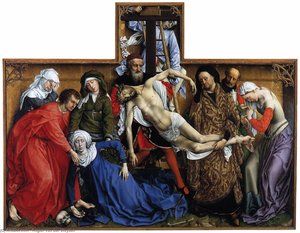
 Oil On PanelEarly Netherlandish Renaissance
 1445Renaissance
 91.0 x 89.0 cm
 Staatliche Museen zu Berlin
Käsinmaalattu öljyväri kankaalle haluamassasi koossa ja kehyksissä, taiteilijoidemme valmistamana tilauksesta. ( Osta printti Osta kuva)





























Valitse valmiista mitoistamme sellaiset, jotka vastaavat teoksen alkuperäisiä mittasuhteita.

Voit syöttää omat mitat sopimaan tiettyyn kehykseen tai tilaan. Jos valitsemasi koko ei vastaa alkuperäisen kuvan mittasuhteita, rajaamme taideteoksen tai jatkamme maalausta käsin maalatuilla elementeillä. Digitaalinen esikatselu lähetetään hyväksyttäväksi ennen tuotannon aloittamista.
Huomioithan, että näytöllä oleva esikatselu ei vastaa todellista rajausta tai jatkamista. Vain digitaalinen mallikuva näyttää lopullisen sommittelun tarkasti.
Vaikka mittatilaustyöt ovat mahdollisia, suosittelemme valitsemaan mitan ennalta määritetystä listasta alkuperäisten mittasuhteiden säilyttämiseksi.
Maailmanlaajuinen toimitus () 3–4 viikossa tavallisen 5 viikon sijaan. (15 elokuu). Laadusta ei tingitä.


Bladelin Triptych
Replikaatin koko
The Bladelin Triptych, formally known as the Middelburg Altarpiece, stands as a testament to Rogier van der Weyden's unparalleled skill in capturing human emotion and conveying profound theological ideas. Completed around 1450, this monumental painting transcends mere visual representation; it’s an immersive experience into the spiritual landscape of its time—a period marked by burgeoning humanist thought alongside unwavering faith.
At first glance, the triptych presents a seemingly simple scene – the birth of Jesus – yet Van der Weyden’s genius lies in layering narratives and symbolism within its framework. The central panel depicts Mary and Joseph kneeling before a crumbling Romanesque chapel, representing the transition from pagan antiquity to Christian dogma. Tiny figures depict angels announcing the divine miracle, while on the right, a cityscape subtly underscores the universality of Christ's reign. Each element contributes to a larger story about redemption and hope.
What distinguishes this artwork is Van der Weyden’s masterful use of oil paint on oak panel—a technique that revolutionized painting at the time. Unlike tempera, which dries quickly and lacks vibrancy, oil allowed for gradual blending and layering, resulting in astonishingly rich colors and textures. The artist meticulously rendered every detail – from the folds of Mary's robe to the expressions etched upon Joseph’s face – achieving a level of realism previously unattainable. This dedication to meticulous observation is evident throughout the entire composition.
Beyond its visual splendor, the Bladelin Triptych overflows with symbolic significance. The ruined chapel symbolizes the decline of pagan beliefs and the ascendancy of Christianity. The shepherds represent humility and faith—the first witnesses to Jesus’s birth. Furthermore, the depiction of Augustus and Sibyl speaks to the interconnectedness of pagan mythology and Christian scripture, highlighting the transformative power of divine revelation.
Originally commissioned for the Middelburg church by Pieter Bladelin, a prominent Bruges burgher, the triptych has traveled through history, culminating in its current residence at the Gemäldegalerie, Berlin. Its enduring appeal lies not only in its artistic brilliance but also in its ability to evoke contemplation and inspire awe—a testament to Van der Weyden’s legacy as one of the foremost painters of his era.
Most-Famous-Paintings.com offers exceptional reproductions that allow you to experience the beauty and depth of this iconic artwork firsthand. Capture the emotional resonance of Van der Weyden's masterpiece in your home!

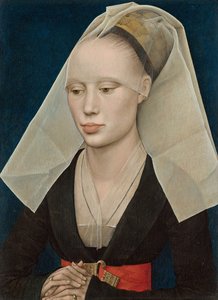
1400 - 1464 , Belgia

Explore the profound history and technical brilliance of oil on panel painting. From Renaissance masters to modern techniques, discover why this rigid support offers unparalleled precision and permanence for fine art lovers and collectors.


Pysy ajan tasalla uusimmista taideuutisista, eksklusiivisista tarjouksista ja sisustusideoista.
Kerro meille projektistasi, niin taideasiantuntijamme tarjoavat sinulle kolme henkilökohtaista taidesuositusta.
Anna meidän kuratoida 3 vaihtoehtoa juuri sinulle – Ilmaiseksi!


 Esikatselu
 Jaa
Jaa Jaa
Jaa
 Tarkemmat tiedot

 Lataa
Lataa
 Samanlaisia
 Röntgenkuva
 Diaesitys
 Näytä lisää







 Lasivaihtoehto on saatavilla vain alle 110 cm kokoisina teoksina