x

 Acrylic On CanvasWallArtEarly Netherlandish
 1455
1455 77.0 x 48.0 cm
 Staatliche Museen zu Berlin
Käsinmaalattu öljyväri kankaalle haluamassasi koossa ja kehyksissä, taiteilijoidemme valmistamana tilauksesta. ( Osta printti Osta kuva)





























Valitse valmiista mitoistamme sellaiset, jotka vastaavat teoksen alkuperäisiä mittasuhteita.

Voit syöttää omat mitat sopimaan tiettyyn kehykseen tai tilaan. Jos valitsemasi koko ei vastaa alkuperäisen kuvan mittasuhteita, rajaamme taideteoksen tai jatkamme maalausta käsin maalatuilla elementeillä. Digitaalinen esikatselu lähetetään hyväksyttäväksi ennen tuotannon aloittamista.
Huomioithan, että näytöllä oleva esikatselu ei vastaa todellista rajausta tai jatkamista. Vain digitaalinen mallikuva näyttää lopullisen sommittelun tarkasti.
Vaikka mittatilaustyöt ovat mahdollisia, suosittelemme valitsemaan mitan ennalta määritetystä listasta alkuperäisten mittasuhteiden säilyttämiseksi.
Maailmanlaajuinen toimitus () 3–4 viikossa tavallisen 5 viikon sijaan. (20 elokuu). Laadusta ei tingitä.


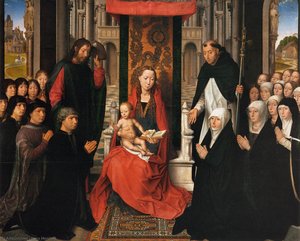
St John Altarpiece (left panel)
Replikaatin koko
In the quiet, luminous corridors of the Early Netherlandish Renaissance, few moments capture the profound intersection of the human and the divine as exquisitely as Rogier van der Weyden’s St John Altarpiece (left panel). This masterpiece, dating from approximately 1455, serves as a breathtaking window into a sacred narrative, specifically focusing on the birth of Saint John the Baptist. As the viewer gazes upon this panel, they are not merely observing a historical or religious event; they are invited into an intimate, domestic sanctuary where every fold of fabric and every soft shadow whispers of sanctity. The scene is set within a meticulously rendered interior, where the presence of a bed and a simple chair grounds the celestial miracle in a tangible, earthly reality, making the miraculous feel profoundly accessible to the faithful.
The composition is anchored by the tender interaction between the women present, whose medieval attire—richly textured and draped with heavy, sculptural elegance—reflects the artist's unparalleled mastery of form. One woman cradles a newborn with a protective grace, while another stands nearby, her presence adding to the sense of a shared, solemn ceremony. The light in the painting does not merely illuminate; it caresses the skin of the infants and the heavy velvets of the garments, creating a soft, ethereal glow that is characteristic of van der Weyden’s emotive style. This interplay of light and shadow breathes life into the figures, transforming a static religious icon into a living, breathing moment of maternal devotion and spiritual anticipation.
To behold a work by Rogier van der Weyden is to witness the pinnacle of oil painting technique. Having likely trained as a goldsmith, the artist brought an obsessive, reverent attention to detail that revolutionized Northern European art. In this left panel, his ability to render textures—the crispness of linen, the weight of wool, and the delicate smoothness of infant skin—is nothing short of miraculous. This precision serves a higher purpose than mere decoration; it is a vehicle for emotional realism. Unlike the more detached compositions of some of his contemporaries, van der Weyden imbues his subjects with a palpable psychological depth. There is a quiet, contemplative stillness in the room, yet beneath the surface, one can sense the profound weight of the destiny awaiting the child.
For the discerning collector or interior designer, this piece offers more than just historical significance; it provides a focal point of immense character and sophistication. The subtle symbolism embedded within the domestic setting—the clock on the wall marking the passage of mortal time against the eternal nature of the saint's birth—offers layers of intellectual engagement. A high-quality reproduction of this panel brings with it an atmosphere of timelessness and quiet luxury, making it an ideal centerpiece for a space dedicated to reflection, classical elegance, or scholarly pursuit. It is a work that does not shout for attention but commands it through its profound beauty and the silent, powerful storytelling found within its gilded borders.

1400 - 1464 , Belgia

Explore 25 iconic John Singer Sargent paintings – from dazzling portraits to Impressionist landscapes. Discover the stories behind Madame X, El Jaleo & more! Find museum-quality art reproductions and elevate your home decor with Most-Famous-Paintings.com.
Tutustu John Constable'n 25 mestariteokseen – romanttisia maisemamaalauksia, jotka vangitsevat englantilaisen luonnon tunnelman. Taidehistoriaa ja inspiraatiota kotiisi Most-Famous-Paintings.com:ssa. Löydä kaikki taideteokset verkossa!

Journey through High Medieval Art! Explore 10 iconic masterpieces – from Giotto's frescoes to stunning Gothic cathedrals. Discover the stories behind these timeless paintings, sculptures & illuminated manuscripts. Find museum-quality art reproductions at Most-Famous-Paintings.com.

Tutustu El Grecon 25 vaikuttavimpaan mestariteokseen! Uppoudu espanjalaisen renessanssin ja manierismin maailmaan. Taidehistoriaa, uskonnollisia maalauksia ja inspiraatiota kotiisi – löydä upeat taidevedokset Most-Famous-Paintings.comista.

Journey through 10 defining Late Medieval masterpieces – from Giotto's frescoes to Jan van Eyck’s realism. Explore the stories, techniques & vibrant colors of Gothic art. Find museum-quality reproductions and elevate your home decor with Most-Famous-Paintings.com! Discover all masterpieces on Most-Famous-Paintings.com


Pysy ajan tasalla uusimmista taideuutisista, eksklusiivisista tarjouksista ja sisustusideoista.
Kerro meille projektistasi, niin taideasiantuntijamme tarjoavat sinulle kolme henkilökohtaista taidesuositusta.
Anna meidän kuratoida 3 vaihtoehtoa juuri sinulle – Ilmaiseksi!


 Esikatselu
 Jaa
Jaa Jaa
Jaa
 Tarkemmat tiedot

 Lataa
Lataa
 Samanlaisia
 Röntgenkuva
 Diaesitys
 Näytä lisää







 Lasivaihtoehto on saatavilla vain alle 110 cm kokoisina teoksina


![Legend Of St Francis - [23] - St Francis Mourned By St Clare — Giotto Di Bondone, Proto Renaissance](/media/artworks/images/thumbnails/d9/a8/d9a8803f4ecd4b049507cc14e2371b42.jpg)