x

 Preview
 Tilaa maalaus Osta kuva
 Jaa
Jaa
 Tarkemmat tiedot
 Lisää suosikkeihin
 Lataa
Lataa
 Samanlaisia
 Röntgenkuva
 Diaesitys
 Oil On CanvasWallArtAmerican Impressionism
 1910
1910 74.0 x 91.0 cm
 Metropolitanin museo
Museolaatuisia giclée- tai kankaitaulun tulosteita nopealla tuotannolla ja joustavilla viimeistelyvaihtoehdoilla.





























Valitse valmiista mitoistamme sellaiset, jotka vastaavat teoksen alkuperäisiä mittasuhteita.

Voit syöttää omat mitat sopiaksesi tiettyyn kehykseen tai tilaan. Jos valittu koko ei vastaa alkuperäisen kuvan mittasuhteita, rajaamme teosta tai laajennamme kuvaa peilatulla tai yhtenäisellä reunalla. Digitaalinen mallikuva lähetetään hyväksyttäväksi ennen tuotannon aloittamista.
Huomaathan, että näytöllä näkyvä esikatselu ei vastaa lopullista rajausta tai laajennusta. Vain mallikuva näyttää lopullisen sommittelun tarkasti.
Vaikka räätälöityjä kokoja on saatavilla, suosittelemme valitsemaan mitat valmiista listasta alkuperäisten mittasuhteiden säilyttämiseksi.
Toimitus maailmanlaajuisesti () kahdessa viikossa tavallisen 4–5 viikon sijaan. (28 heinäkuu)


Fish
Replikaatin koko
William Merritt Chase's "Fish," painted in 1910, isn’t merely a depiction of aquatic life; it’s a carefully constructed tableau that speaks volumes about the artist’s artistic lineage and his evolving approach to capturing fleeting moments. This captivating still life, rendered in shades of gray with remarkable tonal control, draws heavily from both the dramatic lighting favored by 17th-century Spanish masters and Chase's own training within the vibrant, light-infused atmosphere of Munich. The painting immediately commands attention through its dynamic arrangement – a triangular composition anchored by the imposing striped bass – yet it’s the subtle details, the almost palpable texture of scales and flesh, that truly elevate the work.
Chase's fascination with Spanish still lifes is undeniable. The fluid brushwork, reminiscent of artists like Zurbarán and Murillo, creates a sense of immediacy and vitality within the scene. However, “Fish” isn’t simply a pastiche; it incorporates Chase’s own distinctive style, honed during his time in Munich. This influence manifests in the loose, expressive application of paint, allowing for visible brushstrokes that contribute to the painting's overall texture and dynamism. The dark background, a deliberate choice, serves not as mere backdrop but as a crucial element in highlighting the forms of the fish and creating an atmosphere of quiet contemplation – a stark contrast to the often-brightened interiors of his earlier works.
The artist’s mastery lies in his ability to render texture through subtle variations in tone. The scales of the fish, rendered with meticulous detail, appear rough and reflective, catching the light as if shimmering under an unseen source. Conversely, the flesh is depicted with a smooth, moist quality, conveying a sense of freshness and vitality. This careful manipulation of value – the strategic use of light and shadow – creates a remarkable illusion of three-dimensionality, pulling the viewer into the scene. The painting’s monochromatic palette further emphasizes these tonal shifts, allowing each subtle gradation to carry significant weight.
While “Fish” avoids overt symbolism, it evokes a powerful sense of transience and abundance. The arrangement of the fish – a striped bass, a salmon, and a delicate weakfish – suggests a bounty of nature’s gifts, yet their placement on a simple table hints at their vulnerability and fleeting existence. There's an underlying melancholy woven into the composition, perhaps reflecting the artist’s awareness of mortality or the ephemeral beauty of the natural world. The dark background contributes to this somber mood, creating a space for quiet reflection on the passage of time.
“Fish” stands as a significant example of William Merritt Chase’s contribution to American Impressionism. His ability to capture light and atmosphere with such sensitivity, combined with his deep understanding of artistic tradition – both European and American – solidified his place as one of the movement's leading figures. This painting exemplifies his evolution from earlier, more formally structured works to a looser, more expressive style that prioritized capturing the essence of a moment rather than strict representation. A reproduction of “Fish” offers a beautiful window into Chase’s artistic vision and a testament to the enduring power of still life as a genre.


1849 - 1916 , Yhdysvallat

Luo ravintolallesi ainutlaatuinen tunnelma räätälöidyllä Still Life -maalauksella! Most-Famous-Paintingsin ammattitaitoiset taiteilijat luovat käsinmaalatun mestariteoksen, joka heijastaa brändiäsi ja tarjoaa asiakkaillesi unohtumattoman kokemuksen. Tutustu palveluumme!

Explore the life & art of Alice Pike Barney, a pioneering American Impressionist painter who defied convention and fostered Washington D.C.'s vibrant arts scene. Discover her unique style, portraits, and lasting legacy.
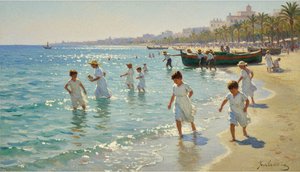
Explore the luminous world of Joaquín Sorolla, Spanish master of Impressionism. Discover his life, techniques & legacy – a guide for art collectors and enthusiasts. Invest in timeless beauty.

Explore the rich history of still life painting with Most-Famous-Paintings. Discover Dutch Masters, decode vanitas symbolism & learn about collecting timeless art. Expert insights and museum-quality reproductions.

Explore the captivating world of Severin Roesen, a major American still life painter influenced by Dutch masters. Discover his lush compositions and the symbolism within his art – a window into 19th-century America.


Pysy ajan tasalla uusimmista taideuutisista, eksklusiivisista tarjouksista ja sisustusideoista.
Kerro meille projektistasi, niin taideasiantuntijamme tarjoavat sinulle kolme henkilökohtaista taidesuositusta.
Anna meidän kuratoida 3 vaihtoehtoa juuri sinulle – Ilmaiseksi!


 Jaa
Jaa

 Näytä lisää







 Lasivaihtoehto on saatavilla vain alle 110 cm kokoisina teoksina