
Myy taiteesi
Toivelista Ostoskori Cart
EsikatseluEsikatselu Esikatsele AR-tilassaEsikatsele AR-tilassa Osta printti Osta printtiOsta käsintehty maalaus Osta käsintehty maalaus JaaJaa
Tarkemmat tiedotTarkemmat tiedot Lisää suosikkeihin Lisää suosikkeihin LataaLataa SamanlaisiaSamanlaisia RöntgenkuvaRöntgenkuva DiaesitysDiaesitys

Solitude

Winslow Homer’s ‘Solitude’ captures a serene deer amidst nature's beauty. Explore the realism and evocative details of this iconic American painting, reflecting themes of tranquility and observation.

Winslow Homerin upea "Auringonlasku tulessa" -maalaus vangitsee meren ja taivaan värikkään loistavuuden. Tutustu realistiseen tyyliin ja Homerin tunnetun teoksen kauneuteen!

Osta korkearesoluutioinen, parannettu digitaalikuva, joka on laadultaan huomattavasti parempi kuin verkkosivuston esikatselu.

Jokainen tiedosto valmistellaan huolellisesti omien asiantuntijoidemme toimesta käyttäen edistyneitä työkaluja ja ammattitaitoista manuaalista retusointia. Varmistamme, että jokaisessa kuvassa on poikkeuksellinen selkeys, tarkka värintoisto ja hienovaraiset yksityiskohdat.

Lopputiedosto toimitetaan sähköpostitse 72 tunnin kuluessa, ja se on optimoitu välittömään käyttöön ammattimaisissa, toimituksellisissa ja painoympäristöissä. Laatu on sama, johon huipputason suunnittelustudiot, kustantajat ja galleriat luottavat.

Digitaalinen kuva

Lataa korkearesoluutioinen tiedosto henkilökohtaiseen näyttelyyn, tulostamiseen ja luoviin projekteihin. (Osta printti Osta printtiOsta käsintehty maalaus Osta käsintehty maalaus)

Kokonaishinta

$ 24,90

Sisältyy jokaiseen digitaalisen kuvan tilaukseen

Asiantunteva digitaalinen toimitus, taattuun laatuun

Kun valitset Most-Famous-Paintings.com-palvelun, et saa vain kuvaa – saat ammattimaisesti parannetun digitaalisen taideteoksen, joka on luotu tarkkuudella ja jonka takaa tulee tyytyväisyystakuu. Tässä on kaikki, mitä tilauksesi sisältää, automaattisesti:

shipping_icon
Nopea digitaalinen toimitus

Korkearesoluutioinen digitaalinen kuvatiedostosi lähetetään sähköpostiisi 72 tunnin kuluessa tilauksesta – valmiina käytettäväksi välittömästi.

canvas_icon
Tekoälyllä parannettu digitaalinen tiedosto

Taiteilijasi teos on optimoitu ammattimaisesti edistyneiden tekoälytyökalujen ja manuaalisen muokkauksen avulla, mikä takaa maksimaalisen yksityiskohtaisuuden, selkeyden ja väritarkkuuden.

insurance_icon
Ilmainen elinikäinen uudelleenlähetyspalvelu

Oletko vahingossa poistanut tai kadottanut tiedostosi? Ei hätää – lähetämme sen sinulle uudelleen milloin tahansa täysin maksutta.

tax_icon
Ei tuontimaksuja – koskaan

Nauti taiteestasi välittömästi ilman tulleja, veroja tai toimitusmaksuja – digitaaliset lataukset ovat aina verovapaita.

color_icon
Värintoiston tarkkuustakuu

Varmistamme, että digitaalinen kuvasi vastaa alkuperäisiä värejä mahdollisimman tarkasti käyttämällä ammattilaistason työkaluja ja värinhallintaa.

return_icon
60 päivän tyytyväisyystakuu

Jos et ole tyytyväinen digitaaliseen kuvaasi, muokkaamme sitä tai palautamme 100% takaisin 60 päivän kuluessa – ilman kysymyksiä.

guarantee_icon
100% Rahat takaisin -takuu

Etkö ole tyytyväinen? Saat täyden hyvityksen 60 päivän kuluessa digitaalisen tiedostosi vastaanottamisesta – ilman kyselyitä.

discount_icon
Suurtilaaja-alennukset

Osta 3 kuvaa, säästä 10% - Osta 5, säästä 15% - Osta 10+, säästä 20%. Erinomainen valinta luoviin projekteihin, gallerioille ja toimistoille.

Pikaista tietoa

  • Artistic style: Wildlife painting
  • Title: Solitude
  • Subject or theme: Solitude, nature
  • Artist: Winslow Homer
  • Movement: Realism
  • Influences: American art

Taidevisa

Jokaisessa kysymyksessä on vain yksi oikea vastaus.

Kysymys 1:
What is the primary subject of Winslow Homer’s ‘Solitude’?
Kysymys 2:
According to the description, what is the deer doing in the painting?
Kysymys 3:
What historical period does Winslow Homer’s work primarily represent?
Kysymys 4:
Based on the provided information, what was a key aspect of Winslow Homer’s early artistic training?
Kysymys 5:
The presence of two boats in the background suggests what about the scene?

Keräilykohteen kuvaus

Winslow Homer’s “Solitude”: A Portrait of American Resilience

Winslow Homer's "Solitude," painted in 1889, isn’t merely a depiction of a deer; it’s a profound meditation on the human condition—a quiet exploration of isolation, observation, and the enduring spirit of America. The painting immediately draws the eye to its central subject: a magnificent white-tailed deer standing poised in the shallows of a river, its head raised with an almost contemplative gaze directed just beyond the frame. This subtle off-camera focus isn’t accidental; it invites the viewer into the deer's experience, prompting us to share in its silent scrutiny and fostering a sense of shared solitude.

Homer, born in Boston in 1836, forged an artistic identity distinct from the rigid traditions of European academies. His early career as a commercial illustrator for Harper’s Weekly instilled within him a remarkable ability to capture scenes with startling clarity and detail – skills honed through meticulous observation of everyday American life. This foundation profoundly shaped his approach to painting, initially in watercolor before he mastered oil on canvas. “Solitude” exemplifies this dedication to realism, rendered with a precision born from years spent documenting the nuances of the natural world and its inhabitants.

The Setting: A Canvas of New England Landscape

The backdrop of "Solitude" is quintessential New England—a landscape subtly imbued with both tranquility and a hint of melancholy. Trees, draped in autumnal hues, line the riverbanks, creating a sense of enclosure while simultaneously suggesting an expansive wilderness. Two small boats – one closer to the left, another further back on the right – punctuate the scene, hinting at human presence without disrupting the deer’s solitary state. This careful arrangement establishes a dialogue between the natural world and the occasional intrusion of humanity, reinforcing the painting's central theme of isolation.

Homer’s masterful use of light is particularly noteworthy. The dappled sunlight filtering through the trees casts an ethereal glow upon the water and the deer, imbuing the scene with a sense of quiet beauty. He employs broken brushstrokes to create a shimmering effect on the surface of the river, adding depth and realism to the composition. The color palette—earthy browns, greens, and blues—further enhances the painting’s evocative atmosphere, grounding the subject in its natural environment.

Symbolism and the American Spirit

“Solitude” resonates deeply with themes of introspection and resilience – qualities often associated with the American experience. The deer itself has long been a potent symbol in American art and literature, representing wilderness, freedom, and the untamed spirit. Its solitary stance speaks to a yearning for independence and self-reliance, mirroring the pioneering ethos that shaped early America.

Furthermore, the painting can be interpreted as an allegory of the human condition. The deer’s gaze suggests a contemplative awareness of its place in the world—a recognition of both beauty and loneliness. It's a poignant reminder of our own capacity for introspection and the importance of finding solace in solitude. The boats in the background, while present, are secondary, emphasizing the primacy of the animal’s experience and suggesting that true connection often lies within oneself.

A Legacy of Observation: Homer’s Enduring Impact

Winslow Homer's "Solitude" stands as a testament to his remarkable ability to capture not just the appearance of a scene, but also its underlying emotional resonance. It is a work that invites viewers to pause, reflect, and contemplate their own relationship with nature and the world around them. Reproductions of this iconic painting offer an exceptional opportunity to bring Homer’s profound insights into any interior space, fostering a sense of quiet contemplation and reminding us of the enduring power of observation and resilience – qualities deeply rooted in the American spirit.

Taiteilijan elämäkerta

A Brush with the American Spirit: The Life and Art of Winslow Homer

Winslow Homer, born in Boston in 1836, wasn’t sculpted by the traditional European art academies that shaped so many of his contemporaries. Instead, he emerged from a distinctly American experience, one rooted in practicality and observation. His journey began not with grand historical canvases, but as a commercial illustrator at the tender age of twelve for Harper's Weekly. This early apprenticeship was formative, honing an exceptional ability to capture scenes with clarity and detail – skills that would become hallmarks of his mature work. He wasn’t learning perspective in Paris; he was learning to *see* America, its people, and its unfolding story. The bustling streets of Boston, the quiet dignity of rural New England life, these were his first subjects, rendered with a precision born of necessity for the demands of print media. This foundation allowed him to transition into painting, initially in watercolor, before fully embracing the expressive potential of oil paints.

From Pastoral Scenes to the Raw Power of Nature

Homer’s early paintings often depicted idyllic scenes – children playing, farmers tending their fields, quiet moments of domesticity. These works, while charming, hinted at a deeper artistic sensibility waiting to be unleashed. The catalyst for this transformation was undoubtedly the Civil War. As a war correspondent for Harper's Weekly, Homer witnessed firsthand the brutal realities of conflict. He didn’t focus on heroic battles or grand strategies; instead, he documented the everyday lives of soldiers and civilians, the quiet moments of grief and resilience amidst chaos. This experience profoundly altered his artistic vision. The pastoral scenes gave way to more challenging subjects: veterans grappling with trauma, freed slaves navigating a new world, and the stark beauty of landscapes touched by hardship. He began to explore themes of struggle, isolation, and humanity’s precar He wasn't interested in imitating European styles; he wanted to create an art that was uniquely American, reflecting its landscapes, its people, and its challenges. His style also evolved, becoming bolder and more direct, reflecting the raw emotional impact of what he had witnessed. Breezing Up (A Fair Wind), painted in 1876, exemplifies this skill – a quintessential depiction of American maritime life, brimming with energy and movement. The Gulf Stream, created decades later, is perhaps his most iconic work, a powerful and symbolic portrayal of a lone man battling the forces of nature, a metaphor for human struggle against overwhelming odds. He possessed an extraordinary ability to capture light, whether it was the dazzling glare of the sun on the ocean or the soft glow of twilight over a rural landscape. This mastery extended to his watercolors, where he achieved remarkable atmospheric effects through vibrant colors and delicate washes. Innocence, a poignant portrayal of childhood set against the backdrop of nature, and **Man of Science** are testaments to this commitment. His influence can be seen in the work of later American painters who sought to depict their own country with similar directness and emotional depth.

Mastering Light, Texture, and the American Landscape

Winslow Homer's artistic technique is immediately recognizable for its solidity and texture. He wasn’t interested in fleeting impressions; he wanted to build up a sense of tangible reality on the canvas. His oil paintings are characterized by a direct painting approach – layers of paint applied with confidence, creating depth and luminosity. He wasn’t simply painting what he saw; he was conveying a feeling, an emotional truth about the human condition. His unwavering dedication to capturing the essence of American life—from the serene beauty of coastal vistas to the harrowing realities of wartime—established him as one of the foremost painters of 19th-century America and cemented his legacy as a pioneer of American Realism.

A Lasting Impression: Homer’s Historical Significance

Winslow Homer's art offers a profound window into 19th-century America, providing invaluable insights into the social, political, and cultural landscape of his time. His paintings are not merely beautiful representations; they are powerful statements about human resilience, the beauty and power of nature, and the complexities of the American experience. He died in 1910, leaving behind a prolific body of work that continues to resonate with audiences today. His ability to capture the essence of a nation undergoing rapid change – from the aftermath of civil war to the dawn of a new century – ensures his place as one of America’s most important and enduring artists. He wasn't just painting pictures; he was documenting a moment in time, preserving it for generations to come.
  • His work continues to inspire contemporary artists.
  • Homer remains a pivotal figure in the development of American Realism.
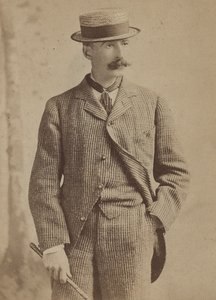
Winslow Homer

Winslow Homer

1836 - 1910 , Yhdysvallat

Lyhyesti esiteltynä

  • Artistic Movement Or Style: Amerikkalainen Realismi
  • Artists Or Movements Influenced By This Artist: ['Amerikkalaiset maalarit']
  • Artists Who Influenced This Artist:
    • Barbizon koulun taideilijat
    • Courbet
    • Millet
  • Date Of Birth: 24. helmikuuta 1836
  • Date Of Death: 29. syyskuuta 1910
  • Full Name: Winslow Homer
  • Nationality: Amerikkalainen
  • Notable Artworks:
    • Breezing Up
    • The Gulf Stream
    • Innocence
  • Place Of Birth: Boston, USA

