


x
 Huile sur toileDécoration muraleHigh Renaissance
 1497Renaissance
 192.0 x 159.0 cm
 Musée du Louvre
Huile sur toile peinte à la main, avec cadre et dimensions personnalisés, réalisée sur commande par nos artistes. ( Commander l'impression Télécharger l'image haute résolution)





























Choisissez parmi nos formats prédéfinis qui respectent les proportions originales de l’œuvre.

Vous pouvez saisir vos propres dimensions pour l'adapter à un cadre ou à un espace spécifique. Si la taille sélectionnée ne correspond pas aux proportions de l'image d'origine, nous recadrerons l'œuvre ou prolongerons la peinture avec des éléments peints à la main supplémentaires. Une maquette numérique vous sera envoyée pour approbation avant le début de la production.
Veuillez noter que l'aperçu à l'écran ne reflète pas le recadrage ou l'extension réels. Seule la maquette montrera fidèlement la composition finale.
Bien que des tailles personnalisées soient disponibles, nous vous recommandons de sélectionner une dimension dans la liste prédéfinie afin de préserver les proportions d'origine.
Livraison dans le monde entier () en 3 à 4 semaines au lieu des 5 semaines habituelles. (19 août). Aucun compromis sur la qualité.


La Parnassus
Format de la reproduction
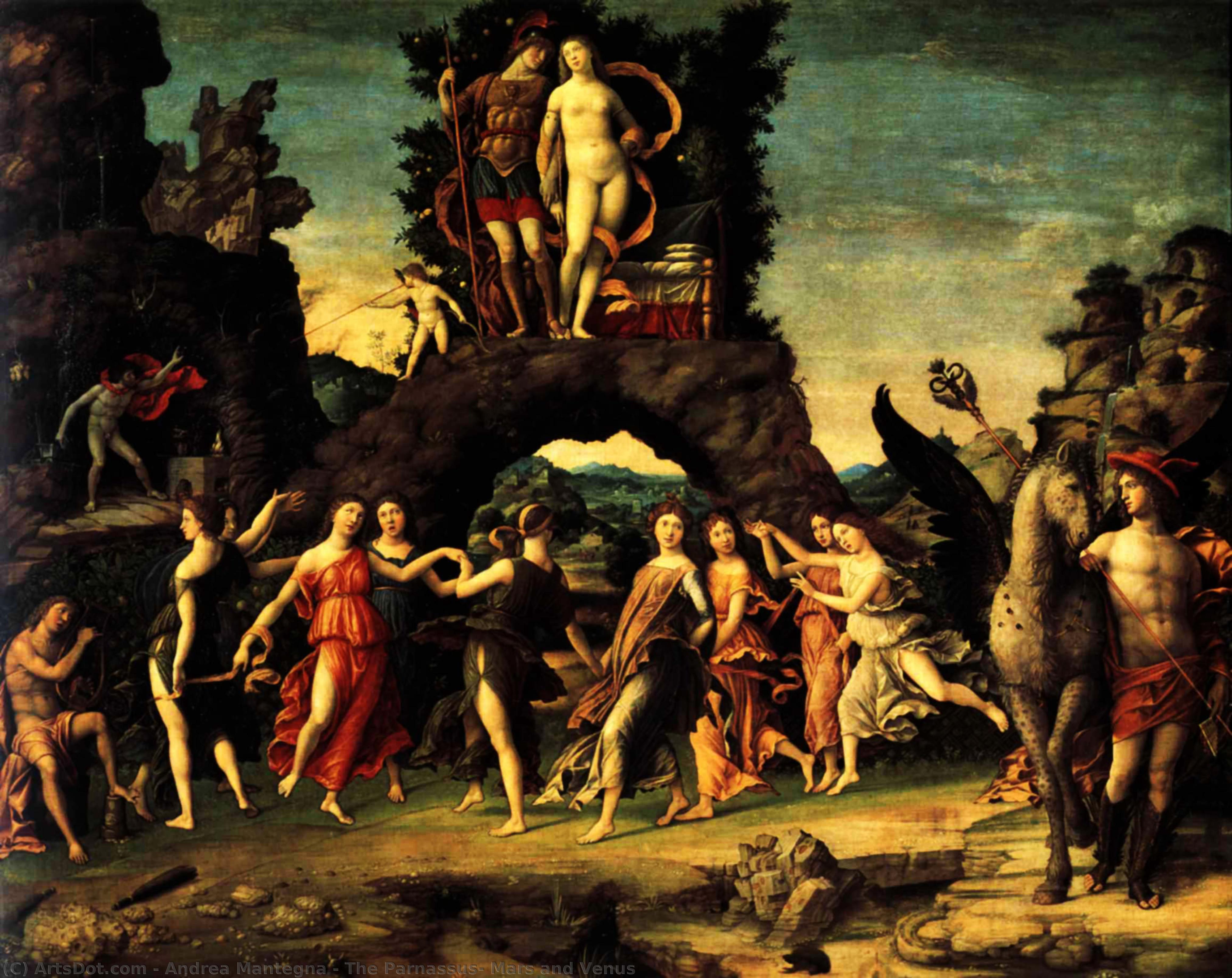
Andrea Mantegna’s *Parnassus*, completed in 1497, stands as an emblem of High Renaissance artistic innovation—a testament to the humanist spirit that flourished during Isabella d'Este’s reign in Mantua. More than just a depiction of classical mythology, it embodies a profound understanding of perspective and sculptural form, cementing Mantegna’s reputation as one of the foremost artists of his time.
The scene unfolds on Mount Parnassus, revered by Homer as the dwelling place of the Muses—the goddesses of inspiration and artistic creativity. Mantegna meticulously crafted a composition characterized by serene balance and visual richness. Figures are arranged around a monumental stone bridge, subtly receding into the distance to create an illusion of depth that aligns perfectly with Renaissance principles. This masterful use of perspective isn’t merely decorative; it serves to elevate the narrative, immersing viewers in the grandeur of the mythological landscape.
At the heart of the composition is Venus, radiant and serene, attended by Mars—the god of war—who exudes a surprising calmness. This juxtaposition speaks to the Renaissance fascination with reconciling seemingly opposing forces – love and conflict – reflecting the humanist belief in achieving harmony through intellectual contemplation. Each figure possesses palpable presence, conveying emotion and embodying classical ideals of beauty and strength.
Mantegna’s technique distinguishes itself through a commitment to sculptural realism—a departure from the flattened surfaces favored by earlier artists. He achieved this effect by modeling figures with meticulous attention to anatomical detail, mirroring the influence of Donatello’s sculptures. Furthermore, Mantegna employed *trompe-l'oeil*, skillfully manipulating visual perception to create an illusion of space and solidity. The stone bridge itself is a marvel of architectural artistry, reinforcing the painting’s overall impression of grandeur and sophistication.
Commissioned by Isabella d'Este—a celebrated patroness of the arts—*Parnassus* exemplifies the cultural dynamism of Mantua during the Renaissance. The painting resides in the Musée du Louvre, Paris, where it continues to inspire admiration for its artistic merit and its contribution to the development of High Renaissance aesthetics. Its influence extends far beyond its immediate surroundings, shaping subsequent generations of painters who sought to emulate Mantegna’s groundbreaking approach to perspective and sculptural representation—a legacy that secures its place as a cornerstone of Western art history.

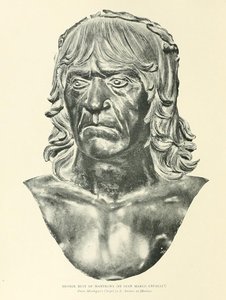
1431 - 1506 , Italie
Explore the profound history and technical mastery of fresco painting. From ancient Roman murals to Michelangelo's Sistine Chapel, discover the enduring chemistry and artistry behind this timeless wall painting technique used by the world's greatest masters.


Restez informé(e) des dernières actualités artistiques, des offres exclusives et des idées de décoration.
Parlez-nous de votre projet et nos experts en art vous proposeront 3 suggestions d'œuvres personnalisées.
Laissez-nous sélectionner 3 œuvres rien que pour vous – Gratuit !


 Aperçu en situation
 Envoyer
 Partager
 Détails de l'œuvre

 Télécharger
 Articles similaires
 Radiographie
 Diaporama
 Lire la suite







 L'option verre n'est disponible que pour les dimensions inférieures à 110 cm.


