


x

 Oil On CanvasWallArtExpressionist Landscape
 1943Modern
 115.0 x 99.0 cm
Impressions giclées ou sur toile de qualité musée, avec une production rapide et des finitions au choix. ( Commander la reproduction peinte à la main Télécharger l'image haute résolution)





























Choisissez parmi nos formats prédéfinis qui respectent les proportions originales de l’œuvre.

Vous pouvez saisir vos propres dimensions pour vous adapter à un cadre ou à un espace spécifique. Si la taille sélectionnée ne correspond pas aux proportions de l'image originale, nous recadrerons l'œuvre ou étendrons l'image avec une bordure en miroir ou une couleur unie. Une maquette numérique vous sera envoyée pour approbation avant le début de la production.
Veuillez noter que l'aperçu à l'écran ne reflète pas le recadrage ou l'extension réelle. Seule la maquette montrera avec précision la composition finale.
Bien que des tailles personnalisées soient disponibles, nous vous recommandons de choisir une dimension dans la liste prédéfinie afin de préserver les proportions originales.
Livraison dans le monde entier () en 2 semaines au lieu des 4/5 semaines habituelles. (22 août)


Gotteron
Format de la reproduction
Balthus’s 1943 painting, *Gotteron*, is not merely a depiction of a forest; it’s an immersion in atmosphere, a carefully constructed descent into the unsettling heart of Expressionist emotion. Executed during a pivotal moment in his career, this black and white canvas – measuring 115 x 99 cm – reveals Balthus's profound understanding of form, light, and shadow, combined with a deeply personal and often unnerving vision. The painting’s stark simplicity—trees, rocks, and the encroaching darkness—amplifies its impact, forcing the viewer to confront the primal anxieties embedded within the natural world.
*Gotteron* is replete with symbolic weight, inviting contemplation on the relationship between humanity and nature. The forest itself becomes a metaphor for the unconscious – a place of both beauty and danger, where reason yields to instinct. The towering trees, rendered in stark detail, suggest an imposing, almost malevolent presence, while the scattered rocks represent obstacles and challenges. The absence of any discernible light source further contributes to the painting’s sense of mystery and foreboding, suggesting a realm beyond human comprehension.
Balthus’s *Gotteron* is more than just a painting; it’s a testament to his unique artistic vision and his profound understanding of human emotion. His work, highly sought after by collectors and art enthusiasts alike, continues to captivate audiences with its unsettling beauty and psychological depth. A hand-painted reproduction of this iconic piece offers an unparalleled opportunity to experience the power and artistry of Balthus’s genius in your own space. Its dimensions (115 x 99 cm) make it suitable for a variety of interior design settings, from grand salons to smaller, more intimate rooms. The painting's enduring appeal lies in its ability to evoke a profound emotional response – a reminder of the darkness and beauty that reside within us all.

Balthasar Klossowski de Rola, plus connu sous le nom de Balthus, est né à Paris le 29 février 1908. Son enfance fut marquée par un environnement culturel riche et stimulant. Son père, Erich Klossowski, était historien de l'art, spécialiste d’Honoré Daumier, et sa mère, Elisabeth Dorothée Spiro (connue sous le nom de Baladine Klossowska), était elle-même peintre. La maison familiale accueillait régulièrement des figures importantes du monde artistique et littéraire comme André Gide et Pierre Bonnard.
La carrière artistique de Balthus a débuté sérieusement avec sa première exposition à Paris en 1934, présentant des œuvres telles que La Leçon de guitare, qui suscita une vive controverse en raison de sa représentation sensuelle et explicite. Son style était influencé par les peintres pré-Renaissance et par les écrits d'Emily Brontë, Lewis Carroll et Simone Martini.
La vie ultérieure de Balthus a été marquée par des controverses concernant ses origines familiales. Bien qu’il ait nié avoir des ascendance juive, la véritable lignée de sa mère reste un sujet de débat.
L'influence de Balthus se retrouve dans divers artistes contemporains tels que Jan Saudek, Will Barnet, Duane Michals, John Currin, Eli Levin, Emile Chambon et Elena Zolotnitsky.

1908 - 2001 , France

Plongez dans l'univers fascinant des 10 plus beaux tableaux blancs de l'histoire de l'art ! Découvrez Monet, Whistler, Kandinsky et d'autres maîtres. Inspirez votre décoration intérieure avec : reproductions de qualité muséale en ligne.
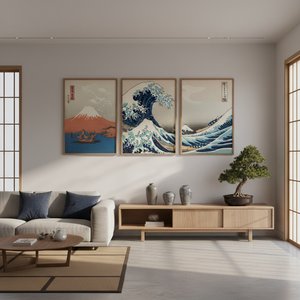
Plongez dans l'univers de Katsushika Hokusai avec les 25 œuvres incontournables du maître japonais. Découvrez l'histoire, les techniques d'ukiyo-e et la beauté intemporelle de 'La Grande Vague'. Reproductions tableaux de qualité muséale sur Most-Famous-Paintings.com.

Plongez dans l'univers fascinant des 10 plus beaux tableaux noirs de l'histoire de l'art. Découvrez les secrets de Goya, Manet, Rothko et autres maîtres. Inspirez votre décoration intérieure avec !

Plongez dans l'émotion du Romantisme avec les 10 plus beaux paysages de Friedrich, Turner & Delacroix. Découvrez leur histoire et trouvez l'inspiration déco idéale sur Most-Famous-Paintings.com !
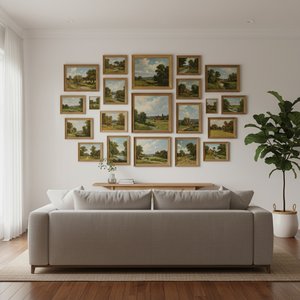
Plongez dans l'univers de John Constable avec les 25 œuvres incontournables du maître anglais. Découvrez l'histoire, la technique et l'émotion derrière ses paysages romantiques. Reproductions de qualité muséale sur Most-Famous-Paintings.com.


Restez informé(e) des dernières actualités artistiques, des offres exclusives et des idées de décoration.
Parlez-nous de votre projet et nos experts en art vous proposeront 3 suggestions d'œuvres personnalisées.
Laissez-nous sélectionner 3 œuvres rien que pour vous – Gratuit !


 Aperçu en situation
 Envoyer
 Partager
 Détails de l'œuvre

 Télécharger
 Articles similaires
 Radiographie
 Diaporama
 Lire la suite







 L'option verre n'est disponible que pour les dimensions inférieures à 110 cm.


