


x

 OilWallArtBaroque, Decorative Arts
 1653Late Medieval
 59.0 x 25.0 cm
 La Frick Collection
Impressions giclées ou sur toile de qualité musée, avec une production rapide et des finitions au choix. ( Passer à la peinture faite à la main Passer à l'image)





























Choisissez parmi nos formats prédéfinis qui respectent les proportions originales de l’œuvre.

Vous pouvez saisir vos propres dimensions pour vous adapter à un cadre ou à un espace spécifique. Si la taille sélectionnée ne correspond pas aux proportions de l'image originale, nous recadrerons l'œuvre ou étendrons l'image avec une bordure en miroir ou une couleur unie. Une maquette numérique vous sera envoyée pour approbation avant le début de la production.
Veuillez noter que l'aperçu à l'écran ne reflète pas le recadrage ou l'extension réelle. Seule la maquette montrera avec précision la composition finale.
Bien que des tailles personnalisées soient disponibles, nous vous recommandons de choisir une dimension dans la liste prédéfinie afin de préserver les proportions originales.
Livraison dans le monde entier () en 2 semaines au lieu des 4/5 semaines habituelles. (11 août)


Table Clock with Astronomical and Calendrical Dials
Format de la reproduction
David Mark Weber's "Table Clock with Astronomical and Calendrical Dials," crafted around 1653, is more than just a timepiece; it’s a miniature universe captured in silver, brass, and meticulously chased detail. Produced during the height of Augsburg’s clockmaking prowess – a period renowned for its blend of artistry and technical innovation – this remarkable piece offers a rare glimpse into the intellectual curiosity and artistic skill of 17th-century Europe. The Frick Collection's acquisition of this exceptional clock reveals not only a masterful example of horological engineering but also a profound engagement with the cosmos, reflecting a time when understanding the heavens was both a scientific pursuit and a deeply spiritual endeavor.
The clock’s design immediately commands attention. Its towering form, reminiscent of a miniature astronomical observatory, is far removed from the commonplace table clocks of the era. The dominant central dial, an astrolabe, dominates the front panel, showcasing twenty-one star pointers meticulously arranged to chart the positions of celestial bodies. Two concentric hands, one representing the sun and the other the moon, track their movements across the heavens with remarkable precision. Beneath this grand display lies a smaller alarm dial, hinting at the clock’s practical function – a reminder of earthly time alongside the vast expanse of the universe.
Weber's skill isn't merely confined to the intricate mechanics; it’s evident in every facet of the clock’s surface. The case is adorned with a breathtaking array of floral arrangements and figures, rendered using two distinct techniques – chasing and repoussé. Chasing involves pushing the malleable metal inward, creating delicate grooves and textures that mimic the appearance of foliage and petals. Repoussé, conversely, employs hammering from the reverse side to raise designs in relief, adding depth and dimensionality to the sculpted elements. The result is a surface teeming with life – miniature roses, leaves, and even stylized human figures emerge from the metal, demonstrating Weber’s exceptional control over his materials and his ability to translate complex designs into tangible form.
The use of silver and brass further enhances the clock's visual impact. Silver, prized for its luster and reflectivity, provides a luxurious backdrop for the intricate details, while brass offers a warm, golden hue that complements the overall aesthetic. The combination creates a rich, opulent effect, suggesting the wealth and status associated with owning such an elaborate timepiece.
Beyond its beauty and craftsmanship, the clock serves as a fascinating window into the intellectual climate of the mid-17th century. The inclusion of astronomical dials – displaying not only the time but also the positions of the sun, moon, and stars – reflects a burgeoning interest in astronomy and a desire to understand the mechanics of the universe. The calendrical dials provide information about the date, lunar phases, and even astrological signs, demonstrating a holistic approach to knowledge that sought to integrate celestial observations with earthly events.
Furthermore, the clock’s design aligns with the broader trends in European art and science during this period. Augsburg was a major center for both clockmaking and scientific innovation, attracting skilled artisans and scholars from across Europe. Weber's clock embodies this spirit of intellectual curiosity and artistic experimentation, representing a culmination of centuries of tradition and a testament to the enduring human fascination with time, space, and the cosmos.
Today, reproductions of David Weber’s “Table Clock with Astronomical and Calendrical Dials” continue to captivate collectors and interior designers alike. The clock's intricate detail, rich materials, and profound symbolism make it a truly exceptional piece – one that transcends its functional purpose to become a work of art in its own right. Whether displayed as a statement piece in a grand salon or incorporated into a more intimate setting, this remarkable timepiece serves as a reminder of the ingenuity and artistry of a bygone era.


1952 - , États-Unis

Explore the life & art of Jacques-Louis David, leading Neoclassical painter of the French Revolution. Discover iconic works like 'The Death of Marat' and his lasting impact on art history. Expert analysis & high-quality reproductions at Most-Famous-Paintings.

Explore the captivating world of Gerard David, a pivotal figure bridging late medieval artistry with the Early Renaissance. Discover his innovative techniques, religious masterpieces, and enduring legacy – a must-read for discerning art collectors.

Explore the groundbreaking work of David Bomberg, a pivotal figure in British abstraction. Discover his artistic evolution, influences, and lasting legacy through insightful analysis & expert commentary.
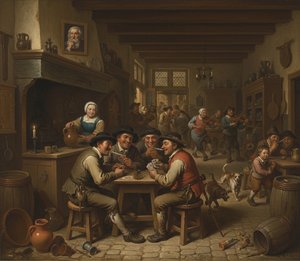
Explore the captivating world of David Teniers II, a leading Flemish Baroque painter renowned for his lively genre scenes & insightful social commentary. Discover his masterpieces and legacy with Most-Famous-Paintings.

Explore the captivating landscapes of David Cox the Elder, a pivotal figure in British Romanticism. Discover his masterful watercolour techniques, enduring legacy & find timeless art for your home at Most-Famous-Paintings.


Restez informé(e) des dernières actualités artistiques, des offres exclusives et des idées de décoration.
Parlez-nous de votre projet et nos experts en art vous proposeront 3 suggestions d'œuvres personnalisées.
Laissez-nous sélectionner 3 œuvres rien que pour vous – Gratuit !


 Aperçu en situation
 Envoyer
 Partager
 Détails de l'œuvre

 Télécharger
 Articles similaires
 Radiographie
 Diaporama
 Lire la suite







 L'option verre n'est disponible que pour les dimensions inférieures à 110 cm.


