x


 Preview
 Commander l'impression Acheter l'image haute résolution
 Partager
 Détails de l'œuvre
 Ajouter aux favoris
 Télécharger
 Articles similaires
 Radiographie
 Diaporama
Huile sur toile peinte à la main, avec cadre et dimensions personnalisés, réalisée sur commande par nos artistes.





























Choisissez parmi nos formats prédéfinis qui respectent les proportions originales de l’œuvre.

Vous pouvez saisir vos propres dimensions pour l'adapter à un cadre ou à un espace spécifique. Si la taille sélectionnée ne correspond pas aux proportions de l'image d'origine, nous recadrerons l'œuvre ou prolongerons la peinture avec des éléments peints à la main supplémentaires. Une maquette numérique vous sera envoyée pour approbation avant le début de la production.
Veuillez noter que l'aperçu à l'écran ne reflète pas le recadrage ou l'extension réels. Seule la maquette montrera fidèlement la composition finale.
Bien que des tailles personnalisées soient disponibles, nous vous recommandons de sélectionner une dimension dans la liste prédéfinie afin de préserver les proportions d'origine.
Livraison dans le monde entier () en 3 à 4 semaines au lieu des 5 semaines habituelles. (26 juillet). Aucune concession sur la qualité.


Two Saints
Format de reproduction
El Greco’s “Two Saints” presents a profoundly moving depiction of religious devotion, born from the artist's unique synthesis of Byzantine tradition with the burgeoning emotional currents of Mannerism. Executed in 1577, this black-and-white photograph captures not merely the physical presence of two sculpted figures but also the palpable sense of sorrow and spiritual struggle that defines El Greco’s most powerful works. The composition, dominated by strong vertical lines representing both the statues and their pedestals, immediately establishes a feeling of solemn grandeur, inviting contemplation and reverence. The placement of the smaller statue in the background subtly introduces a narrative layer – perhaps a reminder of earthly limitations or a glimpse into a larger spiritual realm – enhancing the artwork’s evocative power.
Inspired by the recently discovered monumental Hellenistic sculpture “Laocoön” (circa 1st century BCE), El Greco masterfully transforms this classical subject into something deeply personal and emotionally charged. As detailed in our research, the original Laocoön group, depicting the Trojan priest’s agonizing death at the hands of sea serpents sent by Athena, was a cornerstone of Renaissance artistic ideals – balance, harmony, and idealized proportions. However, El Greco deliberately subverts these conventions, embracing distortion and fragmentation to amplify the scene's dramatic intensity. The elongated figures, contorted postures, and murky coloration—a deliberate departure from the polished surfaces favored during the Renaissance—reflect the influence of Mannerism, a movement that prioritized emotional expression over strict adherence to classical rules.
The photograph’s grayscale palette is not merely an aesthetic choice; it's integral to the artwork’s impact. The careful manipulation of tone and shadow creates a remarkable sense of texture, allowing us to appreciate the rough surface of the stone or material from which the statues are crafted – perhaps hinting at their age and enduring presence. The diffused lighting further enhances this three-dimensional effect, imbuing the figures with an almost ethereal quality. The raised hands of the saints, a common motif in religious iconography, symbolize prayer, blessing, or perhaps even defiance against divine judgment—a potent visual metaphor for human faith and struggle.
El Greco's “Two Saints” stands as a testament to his artistic genius – a fusion of classical inspiration with deeply personal expression. His deliberate departure from Renaissance ideals, coupled with his meticulous attention to detail, resulted in an image that resonates with timeless power and emotional depth. The photograph’s stark simplicity underscores the enduring themes of faith, suffering, and redemption that lie at the heart of El Greco's oeuvre. This piece offers a unique opportunity to own a reproduction of a work that has captivated viewers for centuries, inviting contemplation on the mysteries of belief and the human condition.
The statues themselves are presumed to be crafted from stone – likely marble or limestone – reflecting the prevalent materials used in religious sculpture during El Greco’s time. The photograph itself is a testament to 16th-century photographic techniques, capturing the essence of the original sculptures with remarkable fidelity. El Greco's influence extends far beyond this single work; his innovative style paved the way for later Expressionist movements and continues to inspire artists today. Acquiring a hand-painted reproduction of “Two Saints” is not simply purchasing an image; it’s gaining access to a pivotal moment in art history.

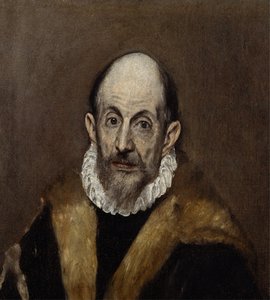
1541 - 1614 , Grèce

Explorez l'univers fascinant d'El Greco : spiritualité, style révolutionnaire et héritage artistique exceptionnel. Découvrez son œuvre unique et son influence durable sur l'histoire de l'art.

Plongez dans l'univers spirituel d'El Greco ! Découvrez les 25 œuvres incontournables du maître espagnol, de *L'Enterrement du Comte d'Orgaz* à ses portraits saisissants. Inspirez votre décoration intérieure avec des reproductions d'art exceptionnelles sur Most-Famous-Paintings.com.

Explore the captivating history of mythological narratives in Western art! From ancient Greece to modern masterpieces, discover iconic artworks & symbolism. Expert analysis and high-quality reproductions at Most-Famous-Paintings.

Plongez au cœur du Mannerisme avec les 10 chefs-d'œuvre incontournables de Pontormo, El Greco & autres maîtres. Découvrez l'histoire et la beauté intemporelle de ces tableaux Renaissance. Reproductions d'art exceptionnelles sur Most-Famous-Paintings.com

Discover Cornelis van Poelenburch, a pivotal Dutch Baroque landscape painter bridging Mannerism & Italianate styles. Explore his life, key works, and lasting influence on 17th-century art with Most-Famous-Paintings.


Restez informé(e) des dernières actualités artistiques, des offres exclusives et des idées de décoration.
Parlez-nous de votre projet et nos experts en art vous proposeront 3 suggestions d'œuvres personnalisées.
Laissez-nous sélectionner 3 œuvres rien que pour vous – Gratuit !


 Partager


 Afficher la suite







 L'option verre n'est disponible que pour les dimensions inférieures à 110 cm.