x


Huile sur toile peinte à la main, avec cadre et dimensions personnalisés, réalisée sur commande par nos artistes. ( Switch to Print Switch to Image)





























Choisissez parmi nos formats prédéfinis qui respectent les proportions originales de l’œuvre.

Vous pouvez saisir vos propres dimensions pour l'adapter à un cadre ou à un espace spécifique. Si la taille sélectionnée ne correspond pas aux proportions de l'image d'origine, nous recadrerons l'œuvre ou prolongerons la peinture avec des éléments peints à la main supplémentaires. Une maquette numérique vous sera envoyée pour approbation avant le début de la production.
Veuillez noter que l'aperçu à l'écran ne reflète pas le recadrage ou l'extension réels. Seule la maquette montrera fidèlement la composition finale.
Bien que des tailles personnalisées soient disponibles, nous vous recommandons de sélectionner une dimension dans la liste prédéfinie afin de préserver les proportions d'origine.
Livraison dans le monde entier () en 3 à 4 semaines au lieu des 5 semaines habituelles. (29 juillet). Aucune concession sur la qualité.


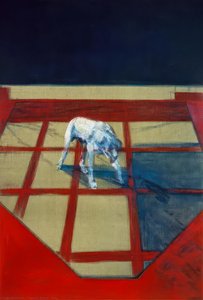
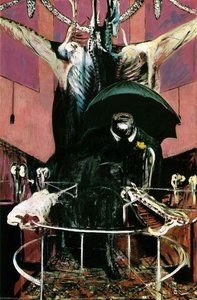
composition, 1933
Format de reproduction
Francis Bacon’s “Composition,” painted in 1933, stands as one of the most unsettling and iconic images of his oeuvre. More than just a depiction of a woman cradling a giraffe – an incongruous pairing that immediately grabs the viewer's attention – it embodies the profound anxieties and psychological complexities characteristic of Bacon’s artistic vision during the interwar years.
The painting belongs to Bacon’s distinctive Surrealist style, albeit one radically divorced from traditional aesthetic conventions. He eschewed meticulous realism, opting instead for a technique that prioritized expressive distortion and visceral immediacy. Thickly applied oil paint—often described as “pigment,” reflecting Bacon's preference for raw material—creates a textured surface riddled with cracks and fissures, mirroring the fractured psyche he sought to portray.
Historically situated within the shadow of World War I and its aftermath, "Composition" reflects the pervasive disillusionment that gripped Europe. The Great War shattered illusions of heroism and progress, leaving artists grappling with questions of mortality, trauma, and the absurdity of existence—themes that Bacon relentlessly pursued throughout his career.
Symbolism permeates every element of the canvas. The giraffe itself is a jarring juxtaposition, representing vulnerability and fragility against the backdrop of masculine strength. Its awkward posture suggests instability and disorientation, mirroring the woman’s emotional state. The birds circling overhead symbolize observation and judgment—perhaps hinting at an inescapable awareness of suffering.
Beyond its visual impact, “Composition” resonates deeply with viewers on an emotional level. It evokes feelings of unease, vulnerability, and profound sadness – sensations that Bacon deliberately aimed to elicit. The painting isn’t merely about what is seen; it's about conveying the unspoken horrors lurking beneath the surface of consciousness.
Bacon’s masterful manipulation of color contributes significantly to the artwork’s emotional resonance. Dominant hues of ochre and crimson convey warmth and passion, yet these tones are undercut by streaks of sickly yellow and bruised purple—colors that symbolize decay and psychological torment. This chromatic dissonance amplifies the painting's unsettling atmosphere.
“Composition” continues to captivate audiences today because it transcends stylistic boundaries and speaks directly to universal human experiences. It serves as a powerful reminder that art can confront uncomfortable truths and illuminate the darkest recesses of the human psyche—a legacy cemented by Bacon’s enduring influence on subsequent generations of artists.

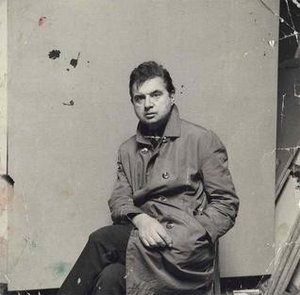
1909 - 1992 , Irlande

Plongez dans l'univers viscéral de Francis Bacon à travers ses 25 œuvres les plus emblématiques. Découvrez l'histoire, la technique et l'émotion derrière chaque chef-d'œuvre expressionniste. Retrouvez des reproductions de qualité musée pour sublimer votre intérieur sur Most-Famous-Paintings.com

Explorez l'œuvre poignante de Francis Bacon : traumatisme, expressionnisme et la condition humaine après-guerre. Analyse approfondie, influences artistiques et héritage durable. Découvrez son univers unique.

Explorez les fondements philosophiques et l'évolution de l'abstraction abstraite contemporaine. Analyse approfondie, artistes clés & conseils pour collectionneurs avertis. Découvrez Most-Famous-Paintings.

Explore the profound emotional depth & formal innovations of abstract painting. Discover key artists like Rothko & Kandinsky, understand art collecting insights, and elevate your space with timeless masterpieces. Expert analysis for discerning collectors.

Créez l'œuvre d'art unique qui vous ressemble avec Most-Famous-Paintings. Peintures personnalisées réalisées par des artistes talentueux. Investissez dans un art émotionnel et intemporel pour sublimer votre intérieur.


Restez informé(e) des dernières actualités artistiques, des offres exclusives et des idées de décoration.
Parlez-nous de votre projet et nos experts en art vous proposeront 3 suggestions d'œuvres personnalisées.
Laissez-nous sélectionner 3 œuvres rien que pour vous – Gratuit !


 Preview
 Partager
 Partager
 Détails de l'œuvre

 Télécharger
 Articles similaires
 Radiographie
 Diaporama
 Afficher la suite







 L'option verre n'est disponible que pour les dimensions inférieures à 110 cm.