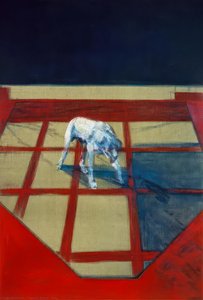
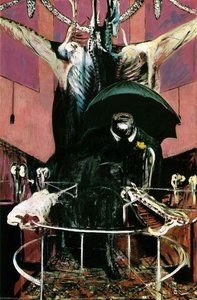
x

Impressions giclées ou sur toile de qualité musée, avec une production rapide et des finitions au choix. ( Commander la reproduction peinte à la main Télécharger l'image haute résolution)





























Choisissez parmi nos formats prédéfinis qui respectent les proportions originales de l’œuvre.

Vous pouvez saisir vos propres dimensions pour vous adapter à un cadre ou à un espace spécifique. Si la taille sélectionnée ne correspond pas aux proportions de l'image originale, nous recadrerons l'œuvre ou étendrons l'image avec une bordure en miroir ou une couleur unie. Une maquette numérique vous sera envoyée pour approbation avant le début de la production.
Veuillez noter que l'aperçu à l'écran ne reflète pas le recadrage ou l'extension réelle. Seule la maquette montrera avec précision la composition finale.
Bien que des tailles personnalisées soient disponibles, nous vous recommandons de choisir une dimension dans la liste prédéfinie afin de préserver les proportions originales.
Livraison dans le monde entier () en 2 semaines au lieu des 4/5 semaines habituelles. (18 août)


study for self-portrait, 1982
Format de la reproduction
Francis Bacon's 'Study for Self-Portrait', painted in 1982, is not merely a representation of the artist; it’s an unflinching confrontation with the anxieties and isolation inherent within the human condition. This late work, rendered in oil on canvas, embodies the core tenets of Bacon’s mature style – a brutal honesty expressed through distorted forms and unsettling color palettes. The figure, seated passively yet powerfully, captures a moment of profound contemplation, or perhaps dread, as he gazes out from an unseen window. The composition immediately draws the viewer into a space of quiet desperation, mirroring the artist's own lifelong struggle with themes of mortality, loneliness, and the grotesque.
The painting’s power resides not just in its technical execution but also in its carefully constructed symbolism. The window itself is a recurring motif in Bacon's work, representing a barrier between the self and the outside world, a space of contemplation and perhaps, ultimately, alienation. The figure’s posture – slumped, almost defeated – suggests a sense of entrapment. The cigarette, held delicately yet with an air of resignation, adds another layer of complexity. It can be interpreted as a symbol of both comfort and self-destruction, mirroring the artist's own struggles with addiction and his relentless pursuit of emotional truth.
Bacon’s technique is deliberately unsettling. The figure is rendered with a rough, almost violent brushstroke, creating a sense of unease and instability. The colors—muted browns, grays, and ochres—contribute to the painting's somber mood, while subtle hints of red suggest underlying tension and suppressed emotion. The lack of detail in the room further emphasizes the figure’s isolation, drawing attention to his internal state rather than any external context. This masterful manipulation of form and color creates a profoundly moving experience for the viewer, forcing us to confront our own anxieties about existence.
'Study for Self-Portrait' remains one of Francis Bacon’s most compelling works, a testament to his ability to translate profound psychological states into visual form. This reproduction captures not just an image but an experience – a visceral encounter with the darkest corners of the human soul. It is a piece that demands attention, invites contemplation, and ultimately, leaves a lasting impression.

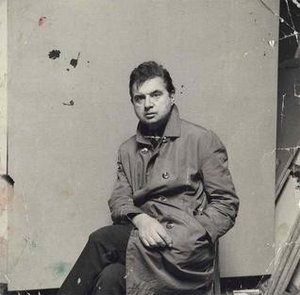
1909 - 1992 , Irlande

Elevate your collection with Most-Famous-Paintings.com. Discover the exquisite differences between our hand-painted oil reproductions, archival Giclée canvases, and fine art prints. Expert guidance for discerning collectors seeking museum-quality mastery and bespoke artistry.

Discover the technical mastery behind Most-Famous-Paintings.com's premium Giclée canvas prints. Our guide for elite collectors explores archival pigment inks, museum-grade substrates, and the science of high-fidelity reproduction to ensure lasting beauty and historical accuracy.

Unlock your creative potential with Most-Famous-Paintings. Learn how art students and creators can scale their business through premium oil reproductions, print-on-demand royalties, and global distribution of their artistic legacy.


Restez informé(e) des dernières actualités artistiques, des offres exclusives et des idées de décoration.
Parlez-nous de votre projet et nos experts en art vous proposeront 3 suggestions d'œuvres personnalisées.
Laissez-nous sélectionner 3 œuvres rien que pour vous – Gratuit !


 Aperçu en situation
 Envoyer
 Partager
 Détails de l'œuvre

 Télécharger
 Articles similaires
 Radiographie
 Diaporama
 Lire la suite







 L'option verre n'est disponible que pour les dimensions inférieures à 110 cm.