


x

 Acrylique sur toileArt muralRenaissance Mannerism
 1570
1570 53.0 x 41.0 cm
 Nationalmuseum
Acquérez une image numérique haute résolution et optimisée, d'une qualité bien supérieure à l'aperçu en ligne.
Chaque fichier est méticuleusement préparé par nos spécialistes internes à l'aide d'outils avancés et d'une retouche manuelle experte. Nous garantissons que chaque image possède une clarté exceptionnelle, une précision des couleurs irréprochable et un niveau de détail fin.
Le fichier final est livré par e-mail sous 72 heures, optimisé pour une utilisation immédiate dans des contextes professionnels, éditoriaux et d'impression. Il offre la même qualité de confiance que celle utilisée par les plus grands studios de création, éditeurs et galeries.
Téléchargez un fichier haute résolution pour votre usage personnel, l'impression et vos projets créatifs. ( Commander l'impression Commander la reproduction peinte à la main)
En choisissant Most-Famous-Paintings.com, vous n'obtenez pas seulement une simple image : vous recevez une œuvre numérique sublimée avec professionnalisme, conçue avec précision et accompagnée d'une garantie de satisfaction. Voici tout ce qui accompagne automatiquement votre commande :

Votre fichier d'image numérique haute résolution vous sera envoyé par e-mail sous 72 heures après votre commande — prêt à un usage immédiat.

Votre œuvre d'art bénéficie d'une optimisation professionnelle grâce à des outils d'IA avancés et une retouche manuelle, garantissant un niveau maximal de détail, de clarté et de fidélité chromatique.

Vous avez accidentellement supprimé ou perdu votre fichier ? Pas d'inquiétude — nous vous le renverrons gratuitement, quand vous le souhaitez.

Profitez de votre œuvre d'art instantanément sans frais de douane ni de livraison — les téléchargements numériques sont toujours exonérés de taxes.

Nous garantissons que votre image numérique reproduit les couleurs de l'original aussi fidèlement que possible grâce à des outils professionnels et une gestion rigoureuse des couleurs.

Si vous n'êtes pas satisfait de votre image numérique, nous la retoucherons ou vous rembourserons 100% sous 60 jours — sans poser de questions.

Pas satisfait ? Obtenez un remboursement intégral dans les 60 jours suivant la réception de votre fichier numérique — sans aucune question posée.

Achetez 3 images, économisez 10% - Achetez 5, économisez 15% - Achetez 10+, économisez 20%. Idéal pour les projets créatifs, les galeries et les agences.
Giuseppe Arcimboldo's "The Cook," painted around 1570 and now residing in the Nationalmuseum of Stockholm, isn’t merely a still life; it’s an audacious visual riddle, a meticulously constructed portrait that simultaneously depicts a roasted fowl and a human face. Turning the canvas upside down unlocks this hidden image – a striking testament to Arcimboldo's mastery of trompe-l'oeil and his profound understanding of Renaissance symbolism. This work transcends simple representation, becoming a meditation on identity, transformation, and the very nature of perception.
The painting itself is dominated by an abundance of autumnal bounty: plump pears, glistening cherries, roasted meats arranged with theatrical precision, and a scattering of herbs and vegetables. Arcimboldo’s technique is remarkably detailed; each fruit and vegetable is rendered with painstaking accuracy, capturing their textures and colors with astonishing realism. The oil paint application is smooth and luminous, creating an almost tactile quality that draws the viewer into the scene. He doesn't simply arrange these objects; he orchestrates them, building a complex composition where every element contributes to the overall effect.
Arcimboldo’s work is deeply rooted in the intellectual currents of the late 16th century. During this period, there was a renewed interest in classical philosophy, particularly Neo-Platonism, which explored the interconnectedness of all things – the idea that the visible world is merely an imitation of a higher realm. Arcimboldo’s portraits, especially those constructed from inanimate objects, can be interpreted as allegorical representations of power and status. The choice of elements—the meats, for instance—suggested abundance, wealth, and the responsibilities associated with leadership. The inverted image, when revealed, subtly hints at the duality inherent in human nature: the animalistic instincts alongside the rational intellect.
Furthermore, Arcimboldo’s work reflects a fascination with metamorphosis – the ability of things to transform into something entirely different. The “Cook” embodies this concept perfectly; it is both a literal depiction of food and a symbolic representation of a human figure. This blurring of boundaries was not uncommon in Renaissance art, where artists often sought to challenge conventional notions of reality.
The brilliance of "The Cook" lies not only in its subject matter but also in the sheer artistry involved in creating this illusionistic masterpiece. Arcimboldo’s skill as a painter is evident in his ability to seamlessly integrate disparate elements into a cohesive whole. The composition is carefully balanced, with each object placed deliberately to contribute to the overall effect. The use of light and shadow further enhances the sense of depth and realism.
Beyond its technical virtuosity, “The Cook” possesses a captivating charm. It’s a playful invitation to engage in visual problem-solving, rewarding the viewer with a hidden image that delights and surprises. The painting speaks to our innate desire to find patterns and connections, suggesting that even the most mundane objects can hold profound meaning when viewed through the right lens.
Reproductions of “The Cook” offer a beautiful way to bring this iconic artwork into your home or office. Consider framing it in a simple, elegant frame that allows the vibrant colors and intricate details of the painting to shine through. The piece would complement a variety of interior design styles, from classic to contemporary. Its intriguing subject matter makes it an excellent conversation starter, inviting viewers to contemplate the artistry and symbolism behind this remarkable creation.

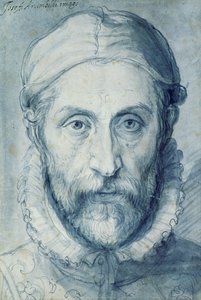
1527 - 1593 , Italie


Restez informé(e) des dernières actualités artistiques, des offres exclusives et des idées de décoration.
Parlez-nous de votre projet et nos experts en art vous proposeront 3 suggestions d'œuvres personnalisées.
Laissez-nous sélectionner 3 œuvres rien que pour vous – Gratuit !


 Aperçu en situation
 Envoyer
 Partager
 Détails de l'œuvre

 Télécharger
 Articles similaires
 Radiographie
 Diaporama
 Lire la suite


