Vendez vos œuvres
Ma liste de souhaits Panier Cart
Aperçu en situationAperçu en situation Visualiser en RAVisualiser en RA Commander l'impression Commander l'impressionTélécharger l'image haute résolution Télécharger l'image haute résolution EnvoyerEnvoyer
Détails de l'œuvreDétails de l'œuvre Ajouter aux favoris Ajouter aux favoris TéléchargerTélécharger Articles similairesArticles similaires RadiographieRadiographie DiaporamaDiaporama

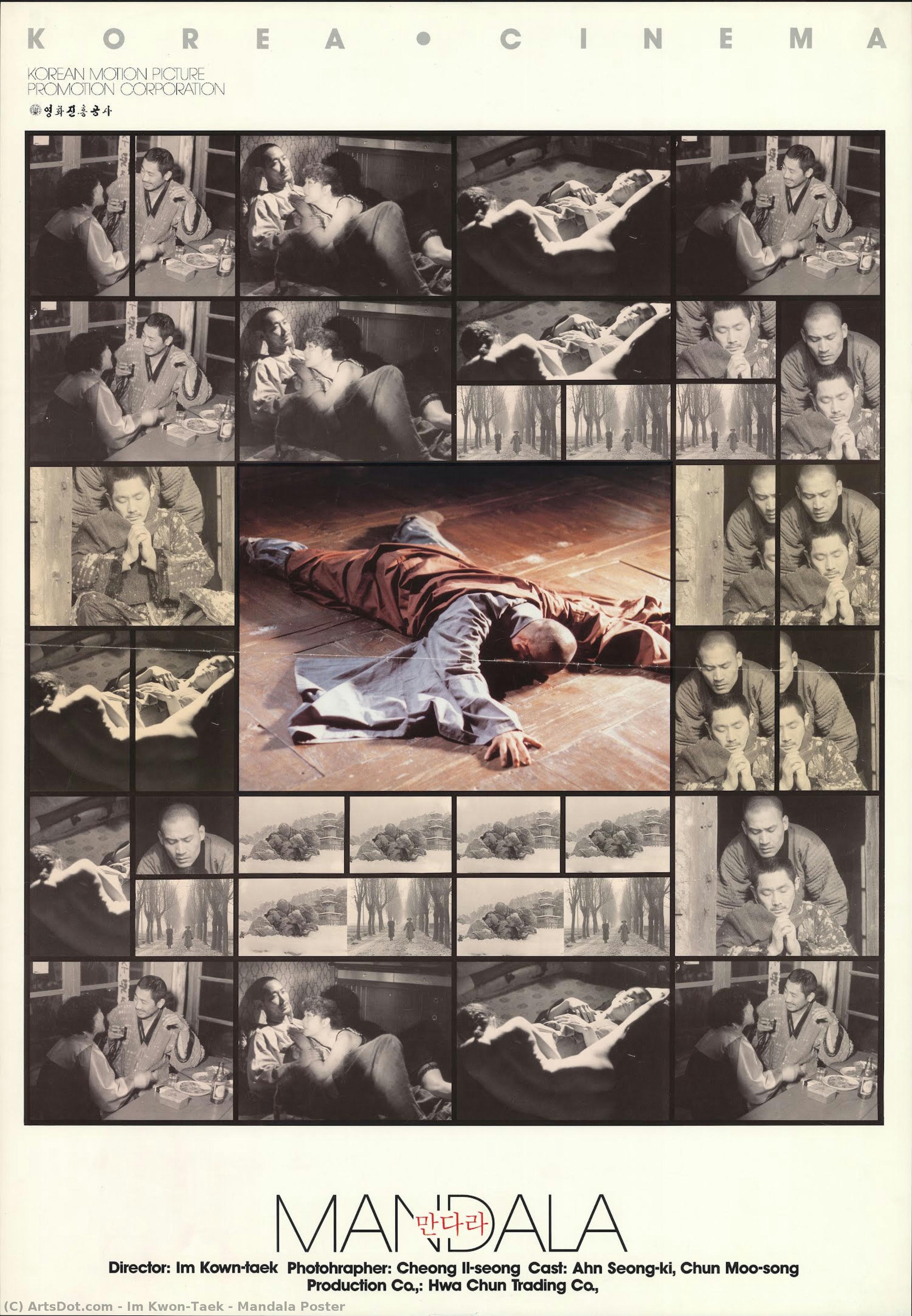
Mandala Poster

Meta Description: Im Kwon-taek (1936-présent), considéré comme le « père du cinéma coréen », a réalisé plus de 100 films explorant l'histoire et la culture coréennes. Reconnu pour Sopyonje et Painted Fire, il est célèbre pour son prix au Festival de Cannes Meilleur Réalisateur.

Reproduction à l'huile faite à la main

Huile sur toile peinte à la main, avec cadre et dimensions personnalisés, réalisée sur commande par nos artistes. (Commander l'impression Commander l'impressionTélécharger l'image haute résolution Télécharger l'image haute résolution)

Standard
custom
CM
INCH

Choisissez parmi nos formats prédéfinis qui respectent les proportions originales de l’œuvre.

largeur
hauteur

Vous pouvez saisir vos propres dimensions pour l'adapter à un cadre ou à un espace spécifique. Si la taille sélectionnée ne correspond pas aux proportions de l'image d'origine, nous recadrerons l'œuvre ou prolongerons la peinture avec des éléments peints à la main supplémentaires. Une maquette numérique vous sera envoyée pour approbation avant le début de la production.
Veuillez noter que l'aperçu à l'écran ne reflète pas le recadrage ou l'extension réels. Seule la maquette montrera fidèlement la composition finale.
Bien que des tailles personnalisées soient disponibles, nous vous recommandons de sélectionner une dimension dans la liste prédéfinie afin de préserver les proportions d'origine.

Exemples de personnalisation possibles : remplacer un visage par la photo du client ; ajouter un animal de compagnie (par exemple, remplacer un chat par un chien) ; inclure un message caché en arrière-plan ; modifier le paysage ou les éléments de l'arrière-plan.
Après la commande, l’équipe Most-Famous-Paintings.com contactera le client par e-mail pour recueillir ses instructions et lui fournira une maquette d’aperçu

Livraison dans le monde entier () en 3 à 4 semaines au lieu des 5 semaines habituelles. (19 août). Aucun compromis sur la qualité.

why_choose_icon
Livraison express gratuite dans le monde entier

why_choose_icon
Toile de lin de qualité supérieure
why_choose_icon
Assurance transport complète
why_choose_icon
Garantie de remboursement des droits de douane
why_choose_icon
Garantie de fidélité des couleurs
why_choose_icon
Politique de retour de 60 jours (uniquement en cas de défaut)
why_choose_icon
Garantie de remboursement à 100%
why_choose_icon
Offre de tarifs dégressifs

Prix total

$ 272

reproduction

Mandala Poster

Technique de reproduction

Format de la reproduction

-

Prix total

$ 272


Biographie de l'artiste

Im Kwon-taek: The Soul of Korean Cinema

Im Kwon-taek (1936 – Present), affectionately known as ‘the father of Korean cinema,’ stands as a monumental figure in the history of South Korean filmmaking. His unwavering dedication to portraying authentic Korean life and culture, coupled with masterful cinematic technique, cemented his legacy as an artistic innovator and a champion for preserving Korea’s heritage on film. Born December 8, 1934, in Changsong, Cheollanam-do, Im Kwon-taek's upbringing was marked by hardship – his family endured significant difficulties during the Korean War, fostering resilience and shaping his worldview. He honed his artistic sensibilities in Gwangju before relocating to Busan and subsequently Seoul, experiences that profoundly impacted his creative vision. Early Influences: Im Kwon-taek’s formative years were steeped in the traditions of Korean folk art and storytelling. These influences would later permeate his films, prioritizing visual narratives rooted in rural Korea and emphasizing the importance of human connection. The echoes of ancient myths and legends—particularly those concerning shamanism and ancestral veneration—are palpable throughout his oeuvre, reflecting a deep respect for Korea’s spiritual heritage. The Rise of Korean New Wave: Im Kwon-taek emerged as a pivotal voice during the Korean New Wave movement of the 1960s and 70s, alongside directors like Jang Seung-eop and Ahn Kyu-chul. This era witnessed a fervent desire to explore themes of social justice, identity, and memory—themes that resonated deeply with Im Kwon-taek’s artistic sensibilities. He skillfully blended realism with poetic imagery, capturing the nuances of Korean society and conveying profound emotional truths. His films confronted uncomfortable realities about Korea's past – colonialism, division, and societal inequalities – prompting critical reflection and fostering a dialogue about national identity. Notable Films: His filmography boasts over 100 productions, ranging from poignant dramas exploring familial bonds to historical epics celebrating Korea’s past. Among his most celebrated works are ‘Sopyonje’ (1993), a haunting portrayal of rural Korean life and family dynamics which garnered critical acclaim and the Cannes Film Festival Best Director Award, and ‘Painted Fire’ (1997), a visually stunning meditation on Korean shamanism and folklore. He achieved particular renown for *Chihwaseon* (2002), a monumental cinematic achievement that meticulously recreated the life of Jang Seung-Up, Korea's most revered painter of the late 19th century—a film lauded for its artistic ambition and historical accuracy. Im Kwon-taek’s films consistently prioritize human relationships and explore universal themes of love, loss, and redemption. Technique & Style: Im Kwon-taek’s directorial style is characterized by meticulous attention to detail—from painstakingly crafted sets to evocative cinematography. He championed the use of natural light, favoring handheld cameras to achieve a sense of immediacy and capturing the beauty of Korea’s landscapes with breathtaking artistry. His films are renowned for their deliberate pacing and understated performances, allowing viewers to immerse themselves in the atmosphere of Korean life and culture. He mastered the art of visual storytelling—creating images that speak volumes without resorting to explicit exposition—a hallmark of his distinctive cinematic vision. Historical Significance: Im Kwon-taek’s contribution to Korean cinema transcends mere artistic accomplishment; he fundamentally reshaped the nation's cinematic landscape, establishing a tradition of filmmaking rooted in authenticity and social responsibility. His films served as crucial documents of Korea’s history and culture—inspiring generations of filmmakers and fostering a deeper understanding of the nation’s identity. He remains an enduring symbol of Korean creativity and artistic integrity, ensuring that Korea’s cinematic voice continues to resonate powerfully on the global stage. His legacy is one of unwavering commitment to his craft and a profound belief in the transformative power of film as a medium for exploring human experience and preserving cultural heritage.
Im Kwon-taek

Im Kwon-taek

1936 - , Corée du Sud

L'essentiel de l'artiste

  • Artistic Movement Or Style: Nouvelle vague coréenne
  • Artists Who Influenced This Artist: ['Jang Seung-eop']
  • Date Of Birth: Décembre 8, 1934
  • Date Of Death: Vivant
  • Full Name: Im Kwon-taek
  • Nationality: Coréen
  • Notable Artworks:
    • Sopyonje
    • Painted Fire
  • Place Of Birth: Changsong, Corée du Sud