


x

 OilWallArtRomantic Landscape
 183019th Century
 24.0 x 19.0 cm
 Musée Ashmolean d’Art et d’Archéologie
Huile sur toile peinte à la main, avec cadre et dimensions personnalisés, réalisée sur commande par nos artistes. ( Commander l'impression Télécharger l'image haute résolution)





























Choisissez parmi nos formats prédéfinis qui respectent les proportions originales de l’œuvre.

Vous pouvez saisir vos propres dimensions pour l'adapter à un cadre ou à un espace spécifique. Si la taille sélectionnée ne correspond pas aux proportions de l'image d'origine, nous recadrerons l'œuvre ou prolongerons la peinture avec des éléments peints à la main supplémentaires. Une maquette numérique vous sera envoyée pour approbation avant le début de la production.
Veuillez noter que l'aperçu à l'écran ne reflète pas le recadrage ou l'extension réels. Seule la maquette montrera fidèlement la composition finale.
Bien que des tailles personnalisées soient disponibles, nous vous recommandons de sélectionner une dimension dans la liste prédéfinie afin de préserver les proportions d'origine.
Livraison dans le monde entier () en 3 à 4 semaines au lieu des 5 semaines habituelles. (13 août). Aucun compromis sur la qualité.


John Varley
Format de la reproduction
In the quiet intimacy of John Linnell’s 1830 portrait, John Varley, we encounter more than just a likeness; we enter a profound moment of introspection. This exquisite piece serves as a masterful gateway to the Romantic era, a period defined by its deep reverence for individual emotion and the subtle complexities of the human psyche. The subject, captured with a contemplative and serene expression, invites the viewer into a silent dialogue. His gaze, heavy with thought, suggests a man lost in the labyrinth of his own reflections, making the painting feel less like a static image and more like a living, breathing fragment of history.
The composition is masterfully restrained, utilizing a minimalistic background that directs all emotional weight toward the sitter. A soft, diffused light filters through what appears to be a window frame, casting gentle shadows across the man's features. This delicate interplay of light and shadow—a technique reminiscent of the great masters—does not merely illuminate his face; it sculpts his character, highlighting the texture of his skin and the thoughtful set of his mouth. The presence of soft drapes in the periphery adds a layer of domestic warmth, grounding this profound psychological study within a quiet, indoor sanctuary.
Linnell’s technical prowess is evident in the way he balances precision with a certain painterly freedom. While the portrait maintains a striking clarity in the subject's face and formal attire, there is a beautiful, rhythmic movement found in the background. The artist employs loose, expressive brushstrokes that suggest the fleeting nature of light and the atmospheric quality of the air itself. This subtle tension between the detailed rendering of the man’s features and the more fluid, impressionistic treatment of his surroundings creates a sense of depth and vitality.
For the discerning collector or interior designer, this work offers a sophisticated textural element. The dark, heavy tones of the subject's high-collared coat provide a grounding weight that can anchor a room, while the soft, luminous highlights on the face offer a point of light and interest. Whether displayed in a sunlit gallery or a moody, library-style study, the painting brings an air of timeless elegance and intellectual depth to any space.
To possess a reproduction of John Varley is to bring a piece of British art history into the contemporary home. The painting transcends its 19th-century origins, offering a sense of calm and stability that is increasingly rare in our fast-paced modern world. It serves as an evocative focal point, sparking conversation about the nature of identity, memory, and the beauty found in quiet moments of solitude.
As an investment in atmosphere, this work appeals to those who appreciate the nuances of classical portraiture. It is a piece that does not shout for attention but rather commands it through its quiet dignity. For those seeking to curate a collection that celebrates the profound emotional resonance of the Romantic movement, Linnell’s depiction of Varley remains an incomparable choice, embodying a legacy of artistry that continues to inspire awe and admiration across generations.

Le parcours artistique de John Linnell a commencé par une formation rigoureuse qui a jeté les bases de son succès futur. Bien que les détails précis de sa première éducation restent quelque peu rares, il est évident qu'il a reçu une solide base dans les techniques traditionnelles. Ses premières œuvres, bien que pas largement reconnues pendant sa vie, laissaient déjà entrevoir la maîtrise qu'il atteindrait plus tard. Linnell était fortement influencé par des artistes renommés tels que Léonard de Vinci et Vincent van Gogh, dont les œuvres peuvent être trouvées sur des plateformes comme Most-Famous-Paintings.com.
Le style de Linnell se caractérise par un mélange fascinant d'art britannique traditionnel avec de subtiles touches de modernité. Il a démontré un sens aigu du détail et une capacité à capturer l'essence de ses sujets, qu'il s'agisse de paysages ou de portraits. Son utilisation de la couleur, de la texture et de la composition distingue ses peintures.
L’influence de John Linnell sur l’art britannique est indéniable. Son style unique a inspiré de nombreux artistes, et ses œuvres continuent d'être célébrées par les amateurs d'art du monde entier. Il a habilement combiné des éléments du romantisme et du néoclassicisme dans son travail, démontrant une profonde compréhension des traditions artistiques tout en forgeant son propre chemin distinct. Most-Famous-Paintings.com propose un éventail de ses peintures, offrant ainsi un accès à son art aussi bien aux collectionneurs expérimentés qu'à ceux qui découvrent le monde de l'art.
La contribution de Linnell réside dans sa capacité à dépeindre la vie quotidienne – des scènes rurales, des portraits de figures notables – avec un réalisme tempéré par une sensibilité artistique. Il a capturé des moments dans le temps, les préservant sur toile pour les générations futures. Son œuvre reflète le paysage social et culturel de l'Angleterre du XIXe siècle, offrant des aperçus précieux sur la vie et les valeurs de cette époque.

1959 - 1882 , Royaume-Uni
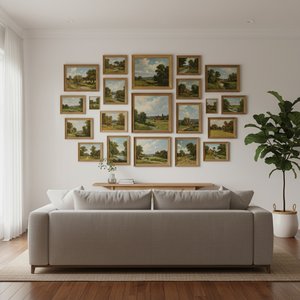
Plongez dans l'univers de John Constable avec les 25 œuvres incontournables du maître anglais. Découvrez l'histoire, la technique et l'émotion derrière ses paysages romantiques. Reproductions de qualité muséale sur Most-Famous-Paintings.com.

Explore the serene landscapes of John Varley I, a key figure in British Romanticism. Discover his unique watercolour style, collaboration with William Blake & lasting artistic legacy. Learn about collecting Varley's work.

Plongez dans l'émotion du Romantisme avec les 10 plus beaux paysages de Friedrich, Turner & Delacroix. Découvrez leur histoire et trouvez l'inspiration déco idéale sur Most-Famous-Paintings.com !

Plongez dans l'univers de John Singer Sargent : découvrez les 25 œuvres qui ont marqué l'histoire de l'art. Portraits impressionnants, réalisme exquis et couleurs vibrantes. Retrouvez ces chefs-d'œuvre en reproduction haute définition sur Most-Famous-Paintings.com.
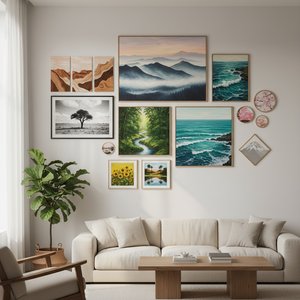
Découvrez les 10 plus beaux paysages de l'histoire de l'art : Monet, Van Gogh et bien d'autres. Explorez leur technique unique et trouvez l'inspiration pour votre décoration intérieure avec Most-Famous-Paintings.com. Œuvres exceptionnelles à découvrir !


Restez informé(e) des dernières actualités artistiques, des offres exclusives et des idées de décoration.
Parlez-nous de votre projet et nos experts en art vous proposeront 3 suggestions d'œuvres personnalisées.
Laissez-nous sélectionner 3 œuvres rien que pour vous – Gratuit !


 Aperçu en situation
 Envoyer
 Partager
 Détails de l'œuvre

 Télécharger
 Articles similaires
 Radiographie
 Diaporama
 Lire la suite







 L'option verre n'est disponible que pour les dimensions inférieures à 110 cm.


