x

Huile sur toile peinte à la main, avec cadre et dimensions personnalisés, réalisée sur commande par nos artistes. ( Commander l'impression Télécharger l'image haute résolution)





























Choisissez parmi nos formats prédéfinis qui respectent les proportions originales de l’œuvre.

Vous pouvez saisir vos propres dimensions pour l'adapter à un cadre ou à un espace spécifique. Si la taille sélectionnée ne correspond pas aux proportions de l'image d'origine, nous recadrerons l'œuvre ou prolongerons la peinture avec des éléments peints à la main supplémentaires. Une maquette numérique vous sera envoyée pour approbation avant le début de la production.
Veuillez noter que l'aperçu à l'écran ne reflète pas le recadrage ou l'extension réels. Seule la maquette montrera fidèlement la composition finale.
Bien que des tailles personnalisées soient disponibles, nous vous recommandons de sélectionner une dimension dans la liste prédéfinie afin de préserver les proportions d'origine.
Livraison dans le monde entier () en 3 à 4 semaines au lieu des 5 semaines habituelles. (20 août). Aucun compromis sur la qualité.


Sunset at Cairo
Format de la reproduction
John Singer Sargent's Sunset at Cairo, painted in 1891, is more than just a depiction of two men strolling through a desert landscape; it’s an exquisitely rendered meditation on light, solitude, and the evocative power of twilight. Created during a period of immense artistic exploration – Sargent was rapidly establishing himself as a leading portraitist within European high society – this work reveals a shift in his style towards Impressionistic sensibilities, a move that would profoundly influence his later oeuvre. The scene unfolds with a quiet grace, capturing a fleeting moment of serenity against the backdrop of a warm, almost ethereal sunset. The figures, rendered with loose brushstrokes and subtle gradations of color, are not sharply defined but rather imbued with an atmospheric quality, suggesting a sense of detachment and contemplation.
Sargent’s technique in Sunset at Cairo is characterized by a masterful layering of oil paints, building up color and form through visible brushstrokes. This approach, typical of the Impressionist movement, prioritizes capturing the transient effects of light and atmosphere over meticulous detail. The canvas itself likely bears witness to this process – the texture created through the application of paint speaks volumes about Sargent’s deliberate control and expressive freedom. The choice of oil paints allowed for a rich palette and blending capabilities, essential in achieving the luminous quality of the sunset and the subtle variations in tone across the landscape. The use of canvas as the support further contributes to the painting's overall texture and depth.
The composition of Sunset at Cairo is laden with symbolic weight. The figures, walking together yet seemingly lost in their own thoughts, evoke a sense of solitude and introspection – themes frequently explored by Sargent throughout his career. The warm hues of the sunset, radiating outwards from the horizon, symbolize hope, transition, and perhaps even mortality. The distant buildings and palm trees, silhouetted against the light, add to the painting’s mystery and create a feeling of being on the edge of something vast and unknown. The scene's quietness invites the viewer to contemplate their own place within the grand scheme of things, mirroring the artist's own fascination with human emotion and experience.
Painted in 1891, *Sunset at Cairo* reflects Sargent’s growing interest in capturing landscapes rather than solely focusing on portraiture. This shift aligns with broader artistic trends of the late 19th century, where Impressionism was gaining momentum and challenging traditional academic styles. Sargent's exploration of light and atmosphere, influenced by artists like Claude Monet and Pierre-Auguste Renoir, demonstrates his willingness to experiment and push the boundaries of artistic expression. The painting’s evocative quality and masterful use of color have secured its place as a significant work within Sargent’s body of work, offering a poignant glimpse into the artist's evolving vision and profound understanding of human emotion.

John Singer Sargent (1856-1925) était un artiste expatrié américain considéré comme le « principal peintre de portraits de sa génération », pour la haute société de l’époque édouardienne. Son œuvre emploie un mélange unique de brillance technique, d'influences impressionnistes et de perspicacité psychologique.
Né le 12 janvier 1856 à Florence, en Italie, auprès de parents américains Fitzwilliam et Mary Newbold Sargent, John Singer Sargent a connu une enfance itinérante. Ses parents étaient des expatriés qui se déplaçaient fréquemment entre la France, l'Allemagne, l'Italie et la Suisse. Ce mode de vie a favorisé une large conscience culturelle, mais a également entraîné une éducation moins conventionnelle. Au lieu d’une scolarité formelle, l’éducation de jeune Sargent était axée sur la visite de musées et d’églises dans toute l'Europe.
En 1874, Sargent a commencé à étudier avec le peintre portraitiste français Carolus-Duran à Paris. Cette mentorat s’est avéré décisif. Duran mettait l’accent sur la peinture directe – une technique d’application de la peinture sans croquis préliminaires – qui a affûté la remarquable compétence technique de Sargent et sa capacité à capturer les portraits avec une précision et une rapidité étonnantes.
La production artistique de Sargent peut être divisée en deux catégories : portraits commandés et études informelles. Ses portraits formels, souvent représentant les personnalités riches et influentes de son temps, adhéraient à la tradition du « grand style » – soulignant l’élégance, le statut et la profondeur psychologique.
Cependant, Sargent a également poursuivi un style plus personnel dans ses paysages et ses études en plein air. Ces œuvres témoignent d’une affinité claire avec l’impressionnisme, caractérisée par une touche de pinceau lâche, des palettes de couleurs vives et une emphase sur la capture d’instants fugaces de lumière et d’atmosphère.
Sargent a été influencé par un ensemble diversifié d'artistes et de mouvements :
Initialement, Sargent a été critiqué pour son approche non conventionnelle du portrait et sa volonté de défier les normes artistiques traditionnelles. Cependant, au début du 20e siècle, il s’était établi comme l'un des artistes de son temps.
Dans les années 1980, une réévaluation importante de l’œuvre de Sargent a eu lieu, en particulier ses nus masculins auparavant négligés. Cette redécouverte a révélé un artiste plus complexe et nuancé qu'on ne le pensait auparavant. Aujourd’hui, John Singer Sargent est célébré pour sa virtuosité technique, sa capacité à saisir l’esprit de son époque et sa contribution durable à l’art américain.
Ses peintures offrent une fenêtre fascinante sur le luxe et les dynamiques sociales de l’époque édouardienne, tout en reflétant sa propre vision artistique personnelle. Son œuvre continue d'inspirer les artistes et de captiver les publics du monde entier.

1856 - 1925 , Italie

Plongez dans l'univers de John Singer Sargent : découvrez les 25 œuvres qui ont marqué l'histoire de l'art. Portraits impressionnants, réalisme exquis et couleurs vibrantes. Retrouvez ces chefs-d'œuvre en reproduction haute définition sur Most-Famous-Paintings.com.

Découvrez l'univers de John Singer Sargent, portraitiste emblématique de l'Âge d'Or. Explorez sa technique impressionniste unique et son héritage artistique à travers des analyses approfondies et des reproductions exceptionnelles.
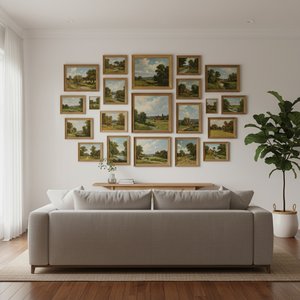
Plongez dans l'univers de John Constable avec les 25 œuvres incontournables du maître anglais. Découvrez l'histoire, la technique et l'émotion derrière ses paysages romantiques. Reproductions de qualité muséale sur Most-Famous-Paintings.com.

Discover the breathtaking elegance of John Singer Sargent's masterpieces. From iconic Gilded Age portraits to impressionistic landscapes, explore the technical brilliance and timeless allure of this American master through our premium, hand-painted fine art reproductions.

Discover the luminous mastery of John Singer Sargent. Explore an expert analysis of his legendary light, Gilded Age elegance, and technical brilliance, perfect for fine art enthusiasts seeking to bring timeless classical beauty into their modern collections.


Restez informé(e) des dernières actualités artistiques, des offres exclusives et des idées de décoration.
Parlez-nous de votre projet et nos experts en art vous proposeront 3 suggestions d'œuvres personnalisées.
Laissez-nous sélectionner 3 œuvres rien que pour vous – Gratuit !


 Aperçu en situation
 Envoyer
 Partager
 Détails de l'œuvre

 Télécharger
 Articles similaires
 Radiographie
 Diaporama

 Lire la suite







 L'option verre n'est disponible que pour les dimensions inférieures à 110 cm.