x

 Commander la reproduction Acheter l'image haute résolution
 Partager
 Détails de l'œuvre
 Ajouter aux favoris
 Télécharger
 Articles similaires
 Radiographie
 Diaporama
Impression giclée ou sur toile de qualité musée, avec une production rapide et des finitions au choix.





























Choisissez parmi nos formats prédéfinis qui respectent les proportions originales de l’œuvre.

Vous pouvez saisir vos propres dimensions pour vous adapter à un cadre ou à un espace spécifique. Si la taille sélectionnée ne correspond pas aux proportions de l'image originale, nous recadrerons l'œuvre ou étendrons l'image avec une bordure en miroir ou une couleur unie. Une maquette numérique vous sera envoyée pour approbation avant le début de la production.
Veuillez noter que l'aperçu à l'écran ne reflète pas le recadrage ou l'extension réelle. Seule la maquette montrera avec précision la composition finale.
Bien que des tailles personnalisées soient disponibles, nous vous recommandons de choisir une dimension dans la liste prédéfinie afin de préserver les proportions originales.
Livraison dans le monde entier () en 2 semaines au lieu des 4/5 semaines habituelles. (21 juillet)


Leda
Format de reproduction
Leonardo da Vinci’s Leda, painted between 1503 and 1510 – though tragically lost to history – remains a cornerstone of the High Renaissance. More than just a depiction of myth, it’s an exploration of beauty, power, and the very essence of human experience. The painting, originally conceived as a monumental fresco for the Castello Sforzesco in Milan, embodies Da Vinci's revolutionary approach to art: a synthesis of meticulous observation, anatomical precision, and profound psychological insight. The story itself – Leda, queen of Sparta, seduced by Zeus disguised as a swan – is steeped in symbolism, representing not just physical desire but also divine authority and the cyclical nature of life and rebirth. Da Vinci doesn’t simply illustrate a myth; he elevates it to a timeless meditation on femininity, vulnerability, and the sublime.
The composition, though fragmented through surviving sketches and copies, reveals a masterful understanding of balance and dynamism. Leda, reclining gracefully, is not merely passive; her gaze holds both allure and a hint of apprehension. The two infants nestled in her arms – one a direct offspring, the other a symbol of divine lineage – are rendered with astonishing realism, showcasing Da Vinci’s groundbreaking anatomical studies. The presence of the two figures standing behind Leda adds depth to the scene, suggesting a narrative beyond the immediate portrayal and hinting at the consequences of Zeus's intervention.
Da Vinci’s genius lay not only in his subject matter but also in his unparalleled mastery of technique. The Leda sketches and copies demonstrate his innovative use of oil paint, a medium he championed to achieve unprecedented levels of detail and luminosity. He employed the *sfumato* – a subtle blurring of lines and colors – to create an atmosphere of ethereal beauty, softening the edges and lending a dreamlike quality to the scene. Crucially, Da Vinci utilized color varnish, a technique that would have deepened the richness and vibrancy of the pigments, creating a visual depth previously unseen in Renaissance art. This layering of color, combined with his meticulous attention to light and shadow, produced an effect of astonishing realism – a testament to his scientific approach to painting.
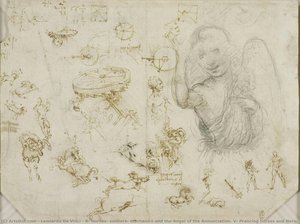
The sketches themselves reveal Da Vinci’s process: layers of charcoal outlining the figures, followed by washes of ink and pigment. He experimented extensively with different materials and techniques, constantly refining his approach. The surviving drawings offer a fascinating glimpse into the mind of a true innovator, demonstrating his relentless pursuit of perfection and his willingness to challenge established artistic conventions.
Beyond its mythological subject matter, Leda is rich in symbolic meaning. The swan itself represents divine power and immortality – a messenger of Zeus, bringing both pleasure and consequence. Leda’s vulnerability and the tenderness with which she holds her children evoke themes of motherhood, protection, and the enduring strength of the feminine spirit. The presence of the two figures behind her can be interpreted as representing judgment or the consequences of Zeus's actions – a reminder that even divine love carries a price.
Furthermore, the painting reflects Renaissance humanist ideals, emphasizing the beauty and dignity of the human form. Da Vinci’s meticulous anatomical studies, inspired by his own dissections of corpses (a practice considered controversial at the time), demonstrate his fascination with the workings of the human body and his desire to capture its essence in art. Leda is not simply a depiction of a myth; it's a celebration of human potential and the power of artistic expression.
Most-Famous-Paintings offers exquisite, hand-painted reproductions of Leonardo da Vinci’s Leda, meticulously crafted by our team of highly skilled artists. We use only the finest archival materials to ensure that your reproduction captures the full beauty and nuance of the original painting. Choose from a range of sizes and framing options to perfectly complement your décor. Whether you are an art enthusiast, a collector, or simply seeking to add a touch of Renaissance elegance to your home, our Leda reproductions provide a stunning way to experience the timeless artistry of Leonardo da Vinci.

Léonard de Vinci, dit ser Piero da Vinci (15 avril 1452 – 2 mai 1519) est né hors mariage près de Vinci, dans la République florentine. Son éducation précoce comprenait la lecture, l'écriture et l'arithmétique, bien que l'enseignement formel du latin ait eu lieu plus tard. À quatorze ans, il a commencé un apprentissage auprès d’Andrea del Verrocchio, un artiste florentin de premier plan. Cette formation immersive lui a permis de découvrir la peinture, la sculpture et les arts mécaniques – posant ainsi les bases de son génie multifacette.
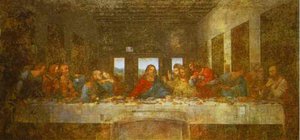
En 1482, Léonard est entré au service de Ludovico Sforza, duc de Milan. Il n’était pas seulement un artiste ; il fonctionnait également en tant qu'ingénieur, architecte et sculpteur pour la cour. Cette période a vu lui concevoir des fortifications militaires, des décors de scène élaborés et des sculptures (nombreuses sont restées inachevées). Une commande monumentale de cette époque est La Cène, une fresque peinte dans la réfectoire du monastère de Santa Maria delle Grazie – un ouvrage qui a profondément influencé l'art occidental.
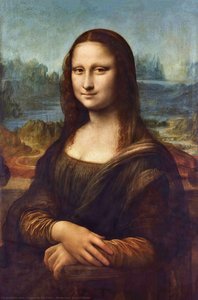
Suite à l'invasion française de Milan en 1499, Léonard est retourné à Florence pendant une période d'apogée du développement artistique. Bien qu'il ait produit moins d'œuvres que précédemment, leur impact a été immense. Cette ère a vu le début des travaux sur La Joconde (Mona Lisa), probablement le tableau le plus célèbre au monde, et l'affinage de ses techniques.
Les dernières années de Léonard ont été marquées par des voyages entre Florence, Milan et Rome, recherché pour son expertise mais souvent laissant les projets inachevés. En 1516, il a accepté l'invitation du roi Francis I à vivre et travailler au Château du Clos Lucé près d’Amboise en France. Il est décédé là-bas en 1519, laissant derrière lui un vaste héritage d'exploration artistique et scientifique.
L'impact de Léonard da Vinci sur l'histoire de l'art est immeasurable. Ses peintures sont célébrées pour leur réalisme, leur profondeur psychologique et leurs techniques innovantes. Il a élevé le statut des artistes de simples artisans qualifiés à des figures intellectuelles. Au-delà de ses réalisations artistiques, ses investigations scientifiques et ses inventions ont anticipé de nombreuses découvertes modernes. Il reste un symbole de la curiosité humaine, de la créativité et de la poursuite du savoir – une véritable incarnation de l'esprit de la Renaissance. Son héritage continue d’inspirer émerveillement et fascination des siècles après sa mort, consolidant ainsi son rang parmi les figures les plus remarquables de l'histoire.

1452 - 1519 , Italie
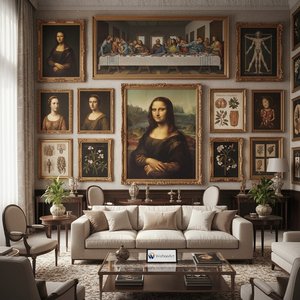
Plongez dans l'univers de Léonard de Vinci avec les 25 œuvres incontournables du génie italien. Découvrez l'histoire, les techniques et l'émotion derrière la Mona Lisa, La Cène et bien d'autres chefs-d'œuvre Renaissance. Reproductions haute qualité sur Most-Famous-Paintings.com.

Plongez au cœur de la Renaissance humaniste avec 10 chefs-d'œuvre exceptionnels : Léonard de Vinci, Michel-Ange et plus encore. Découvrez l'histoire, les techniques et le symbolisme de ces peintures iconiques. Trouvez votre reproduction d'art idéale sur Most-Famous-Paintings.com !

Explorez l'univers de Léonard de Vinci avec notre analyse approfondie pour collectionneurs avertis. Découvrez ses techniques, son héritage et les clés d'un investissement art réussi. Expertise & authenticité garanties.

Plongez au cœur du Louvre avec les 25 œuvres incontournables : Mona Lisa, Venus de Milo et bien plus. Découvrez l'histoire fascinante des artistes, leurs techniques et trouvez l'inspiration déco idéale. Reproductions tableaux de qualité musée sur Most-Famous-Paintings.com

Plongez au cœur de la Galerie des Offices à Florence ! Découvrez les 25 chefs-d'œuvre incontournables de Botticelli, Léonard de Vinci et autres maîtres italiens. Inspirez votre décoration avec l'art Renaissance : reproductions de qualité muséale sur Most-Famous-Paintings.com


Restez informé(e) des dernières actualités artistiques, des offres exclusives et des idées de décoration.
Parlez-nous de votre projet et nos experts en art vous proposeront 3 suggestions d'œuvres personnalisées.
Laissez-nous sélectionner 3 œuvres rien que pour vous – Gratuit !


 Partager


 Afficher la suite







 L'option verre n'est disponible que pour les dimensions inférieures à 110 cm.