x

Huile sur toile peinte à la main, avec cadre et dimensions personnalisés, réalisée sur commande par nos artistes. ( Commander l'impression Télécharger l'image haute résolution)





























Choisissez parmi nos formats prédéfinis qui respectent les proportions originales de l’œuvre.

Vous pouvez saisir vos propres dimensions pour l'adapter à un cadre ou à un espace spécifique. Si la taille sélectionnée ne correspond pas aux proportions de l'image d'origine, nous recadrerons l'œuvre ou prolongerons la peinture avec des éléments peints à la main supplémentaires. Une maquette numérique vous sera envoyée pour approbation avant le début de la production.
Veuillez noter que l'aperçu à l'écran ne reflète pas le recadrage ou l'extension réels. Seule la maquette montrera fidèlement la composition finale.
Bien que des tailles personnalisées soient disponibles, nous vous recommandons de sélectionner une dimension dans la liste prédéfinie afin de préserver les proportions d'origine.
Livraison dans le monde entier () en 3 à 4 semaines au lieu des 5 semaines habituelles. (15 août). Aucun compromis sur la qualité.


Das Schnabelpaar
Format de la reproduction
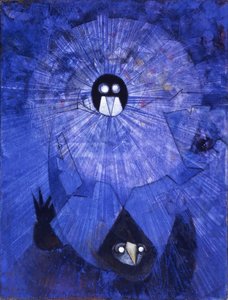
Max Ernst's Das Schnabelpaar (The Beak Pair), created in 1953, is a deceptively simple yet profoundly unsettling work that encapsulates the core tenets of Dadaism and Surrealism. This painting, rendered as an illustrated book with nine etchings – seven utilizing aquatint, one incorporating paint additions, and one remaining inkless – offers a glimpse into Ernst’s enduring fascination with the subconscious and his deliberate disruption of traditional artistic conventions. The image depicts two birds, their elongated necks drawing the viewer's eye, standing in a tableau of quiet tension as one holds an egg delicately within its beak. The presence of a prominent clock on the left side adds another layer of complexity, hinting at themes of time, mortality, and perhaps, the fractured nature of reality itself.
Born in Brühl, Germany, in 1891, Max Ernst’s artistic trajectory was marked by a relentless pursuit of unconventional ideas. His early exposure to philosophy, art history, and psychology – all rigorously studied at the University of Bonn – fueled his desire to challenge established norms and explore the hidden depths of human experience. *Das Schnabelpaar* firmly roots itself within the Dada movement’s rejection of logic and reason, embracing instead a spirit of irrationality and absurdity. However, it transcends mere Dadaist provocation; it's a deeply considered Surrealist work, reflecting Ernst’s interest in automatism – a technique where the artist attempts to bypass conscious control and tap into the unconscious mind – to generate imagery that evokes dreamlike states and unsettling juxtapositions.
The birds themselves are potent symbols. Often associated with freedom, fertility, and transformation, their presence here is imbued with a sense of unease. The elongated necks suggest vulnerability and perhaps a heightened awareness, while their stillness hints at a suspended moment, caught between action and contemplation. The clock, a recurring motif in Ernst’s work, serves as a stark reminder of the relentless passage of time – a concept frequently explored by Surrealists to represent anxiety about mortality and the loss of control. The egg, held carefully within the bird's beak, is perhaps the most evocative element; it represents potential, new beginnings, but also fragility and the precariousness of existence. The combination of these elements creates a powerful visual paradox.
Ernst’s masterful use of aquatint – a technique involving the controlled application of acid to create tonal variations in etched plates – lends *Das Schnabelpaar* a remarkable depth and richness. The subtle gradations of tone, combined with the delicate lines of the birds' forms, contribute to the painting’s haunting atmosphere. The overall effect is one of quiet contemplation mixed with underlying anxiety. It’s a work that invites viewers to confront uncomfortable questions about time, mortality, and the nature of reality – a testament to Ernst’s genius in translating psychological complexity into a visually arresting and emotionally resonant image. This piece remains a cornerstone of Surrealist art, offering a compelling glimpse into the mind of one of its most innovative figures.
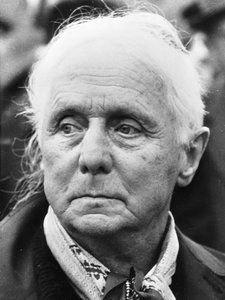
1891 - 1976 , Allemagne

Explore the profound history and technical mastery of woodcut relief printing. From ancient origins to German Expressionism, discover how artists use the subtractive process to create iconic works. A definitive guide for art students, collectors, and historians.


Restez informé(e) des dernières actualités artistiques, des offres exclusives et des idées de décoration.
Parlez-nous de votre projet et nos experts en art vous proposeront 3 suggestions d'œuvres personnalisées.
Laissez-nous sélectionner 3 œuvres rien que pour vous – Gratuit !


 Aperçu en situation
 Envoyer
 Partager
 Détails de l'œuvre

 Télécharger
 Articles similaires
 Radiographie
 Diaporama

 Lire la suite







 L'option verre n'est disponible que pour les dimensions inférieures à 110 cm.