x

Impressions giclées ou sur toile de qualité musée, avec une production rapide et des finitions au choix. ( Commander la reproduction peinte à la main Télécharger l'image haute résolution)





























Choisissez parmi nos formats prédéfinis qui respectent les proportions originales de l’œuvre.

Vous pouvez saisir vos propres dimensions pour vous adapter à un cadre ou à un espace spécifique. Si la taille sélectionnée ne correspond pas aux proportions de l'image originale, nous recadrerons l'œuvre ou étendrons l'image avec une bordure en miroir ou une couleur unie. Une maquette numérique vous sera envoyée pour approbation avant le début de la production.
Veuillez noter que l'aperçu à l'écran ne reflète pas le recadrage ou l'extension réelle. Seule la maquette montrera avec précision la composition finale.
Bien que des tailles personnalisées soient disponibles, nous vous recommandons de choisir une dimension dans la liste prédéfinie afin de préserver les proportions originales.
Livraison dans le monde entier () en 2 semaines au lieu des 4/5 semaines habituelles. (14 août)


The hat makes the man
Format de la reproduction
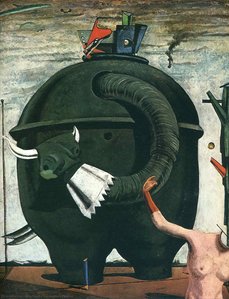
Max Ernst’s “The Hat Makes the Man,” completed in 1920, isn't merely a depiction of hats; it’s an invitation into the labyrinthine corridors of the subconscious. Created during the fervent crucible of Surrealism—a movement determined to liberate art from rational constraints—this gouache and ink on cut-and-pasted printed paper embodies Ernst’s signature approach: unsettling juxtapositions, textural experimentation, and a deliberate blurring of reality and fantasy.
Beyond its striking visual impact, “The Hat Makes the Man” overflows with symbolic significance. The hat itself—a commonplace object transformed into a monumental presence—represents identity, social status, and perhaps even protection from an unseen threat. Ernst’s masterful use of color – muted browns and greys punctuated by flashes of crimson – reinforces this sense of unease and invites contemplation about the masks we wear in everyday life.
Ernst’s innovative grattage technique wasn’t simply a stylistic flourish; it was a deliberate effort to capture the elusive essence of the unconscious mind. By stripping away layers of paint, he unearthed hidden textures and forms that spoke directly to the viewer's emotions—a testament to his belief in art as a conduit for psychological exploration.
To appreciate the breadth of Surrealist art and Ernst’s contribution to its canon, explore resources like Most-Famous-Paintings.com for insightful articles on Ernst's life and work. Alternatively, immerse yourself in the artistic landscape at institutions such as The Centre Pompidou (https://www.moma.org/collection/works/35478) and The Columbus Museum of Art ( /en/art/max-ernst-the-song-of-the-flesh-9GG5ZV-en/).

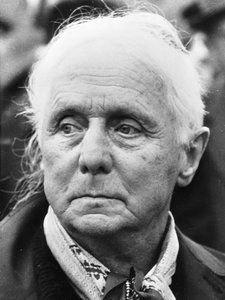
1891 - 1976 , Allemagne

Explore the profound depths of Surrealism. From Dalí’s dreamscapes to Magritte’s enigmas, master the history of the subconscious mind through our expert art guide and discover museum-quality oil reproductions of the world's most iconic surrealist masterpieces.

Explore the profound evolution of digital collage, where art history meets modern technology. Discover how contemporary masters merge classical techniques with digital innovation to create breathtaking new masterpieces for the modern collector.


Restez informé(e) des dernières actualités artistiques, des offres exclusives et des idées de décoration.
Parlez-nous de votre projet et nos experts en art vous proposeront 3 suggestions d'œuvres personnalisées.
Laissez-nous sélectionner 3 œuvres rien que pour vous – Gratuit !


 Aperçu en situation
 Envoyer
 Partager
 Détails de l'œuvre

 Télécharger
 Articles similaires
 Radiographie
 Diaporama

 Lire la suite







 L'option verre n'est disponible que pour les dimensions inférieures à 110 cm.