x


 Commander la reproduction Acheter l'image haute résolution
 Partager
 Détails de l'œuvre
 Ajouter aux favoris
 Télécharger
 Articles similaires
 Radiographie
 Diaporama
Impression giclée ou sur toile de qualité musée, avec une production rapide et des finitions au choix.





























Choisissez parmi nos formats prédéfinis qui respectent les proportions originales de l’œuvre.

Vous pouvez saisir vos propres dimensions pour vous adapter à un cadre ou à un espace spécifique. Si la taille sélectionnée ne correspond pas aux proportions de l'image originale, nous recadrerons l'œuvre ou étendrons l'image avec une bordure en miroir ou une couleur unie. Une maquette numérique vous sera envoyée pour approbation avant le début de la production.
Veuillez noter que l'aperçu à l'écran ne reflète pas le recadrage ou l'extension réelle. Seule la maquette montrera avec précision la composition finale.
Bien que des tailles personnalisées soient disponibles, nous vous recommandons de choisir une dimension dans la liste prédéfinie afin de préserver les proportions originales.
Livraison dans le monde entier () en 2 semaines au lieu des 4/5 semaines habituelles. (23 juillet)


untitled (9522)
Format de reproduction
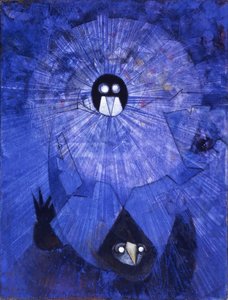
Max Ernst's "Untitled (9522)" is more than just a depiction of a beach scene; it’s an immersion into the subconscious, a meticulously crafted exploration of the surreal. Painted in 1943, during a period of intense artistic experimentation for the German-born artist, this work exemplifies Ernst’s core approach to Surrealism – not simply mimicking dreams, but actively constructing them through a deliberate process of association and disruption.
Understanding “Untitled (9522)” requires acknowledging the profound intellectual currents that shaped Max Ernst’s artistic vision. Born in 1891 in Brühl, Germany, Ernst was a voracious reader and student of philosophy, psychology, and art history – disciplines he pursued with an almost obsessive intensity. His academic background at Bonn University, where he studied under figures like Freud and Jung, profoundly influenced his approach to art. He wasn’t interested in merely representing the external world; instead, he sought to unlock the hidden realities residing within the human psyche. This pursuit led him to explore automatism – a technique of spontaneous creation without conscious control – as a means of accessing the unconscious mind.
The painting’s symbolism is deliberately ambiguous, inviting multiple interpretations. The birds, frequently associated with freedom and spirituality in art history, here seem trapped within their flight, perhaps reflecting the anxieties of wartime Europe. The shell, a recurring motif in Ernst's work, can be seen as representing both fragility and the remnants of the past. The beach itself – a liminal space between land and sea – further amplifies this sense of unease and transition. Ernst’s intention was to evoke a feeling of disorientation and psychological tension, prompting viewers to confront their own subconscious fears and desires.
"Untitled (9522)" was created during World War II, a period of immense upheaval and uncertainty. This context undoubtedly informs the painting’s unsettling atmosphere. Max Ernst’s work, particularly during this time, became increasingly preoccupied with themes of displacement, loss, and the fragility of human existence. His contribution to Surrealism extended beyond mere aesthetic experimentation; he was a pioneer in challenging conventional notions of reality and exploring the darker recesses of the human mind. His influence continues to resonate within contemporary art, solidifying his position as one of the 20th century’s most innovative and enduring artists.

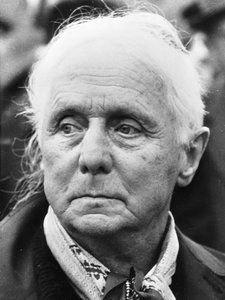
1891 - 1976 , Allemagne

Plongez dans l'univers fascinant du Surréalisme Expressionniste ! Découvrez 10 chefs-d’œuvre de Dali, Magritte et autres artistes emblématiques. Histoire, techniques & inspiration déco. Retrouvez des reproductions de qualité musée sur Most-Famous-Paintings.com

Explorez l'attrait intemporel de l'art vintage avec ! Découvrez des reproductions de qualité, des artistes emblématiques et des conseils d'experts pour une décoration unique. Commandez dès aujourd'hui !
Plongez dans l'univers surréaliste de Max Ernst ! Découvrez les 25 œuvres les plus emblématiques du maître allemand, entre frottage, collage et rêves éveillés. Inspirez votre décoration intérieure avec Most-Famous-Paintings : reproductions de tableaux de qualité muséale et collection d'art unique. Explorez la co

Explorez l'évolution fascinante de la peinture surréaliste : des racines dadaïstes à l'influence de Freud, en passant par les techniques automatiques et les figures clés comme Dalí. Découvrez un mouvement artistique révolutionnaire.

Plongez dans l'univers fascinant du surréalisme avec Most-Famous-Paintings.com ! Découvrez 10 chefs-d'œuvre iconiques de Dalí, Magritte et Miró. Inspirez votre décoration intérieure avec ces tableaux célèbres et trouvez la reproduction parfaite pour sublimer votre espace. Explorez la collection complète en ligne


Restez informé(e) des dernières actualités artistiques, des offres exclusives et des idées de décoration.
Parlez-nous de votre projet et nos experts en art vous proposeront 3 suggestions d'œuvres personnalisées.
Laissez-nous sélectionner 3 œuvres rien que pour vous – Gratuit !


 Partager


 Afficher la suite







 L'option verre n'est disponible que pour les dimensions inférieures à 110 cm.