x

 Commander l'impression Acheter l'image haute résolution
 Partager
 Détails de l'œuvre
 Ajouter aux favoris
 Télécharger
 Articles similaires
 Radiographie
 Diaporama
 Oil On CanvasWallArtEarly Netherlandish Painting
 1491Renaissance
 205.0 x 75.0 cm
 Musée des Arts et de la Poésie Culturelle
Huile sur toile peinte à la main, avec cadre et dimensions personnalisés, réalisée sur commande par nos artistes.





























Choisissez parmi nos formats prédéfinis qui respectent les proportions originales de l’œuvre.

Vous pouvez saisir vos propres dimensions pour l'adapter à un cadre ou à un espace spécifique. Si la taille sélectionnée ne correspond pas aux proportions de l'image d'origine, nous recadrerons l'œuvre ou prolongerons la peinture avec des éléments peints à la main supplémentaires. Une maquette numérique vous sera envoyée pour approbation avant le début de la production.
Veuillez noter que l'aperçu à l'écran ne reflète pas le recadrage ou l'extension réels. Seule la maquette montrera fidèlement la composition finale.
Bien que des tailles personnalisées soient disponibles, nous vous recommandons de sélectionner une dimension dans la liste prédéfinie afin de préserver les proportions d'origine.
Livraison dans le monde entier () en 3 à 4 semaines au lieu des 5 semaines habituelles. (18 juillet). Aucune concession sur la qualité.


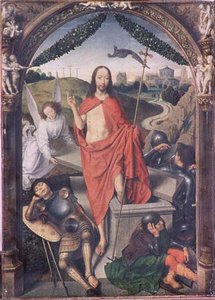
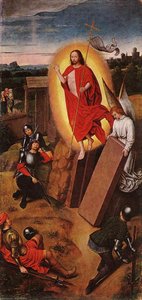
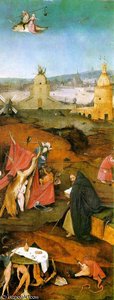
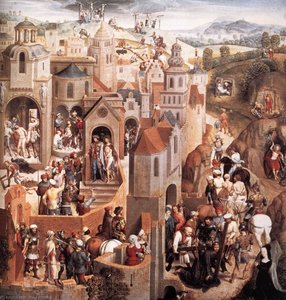
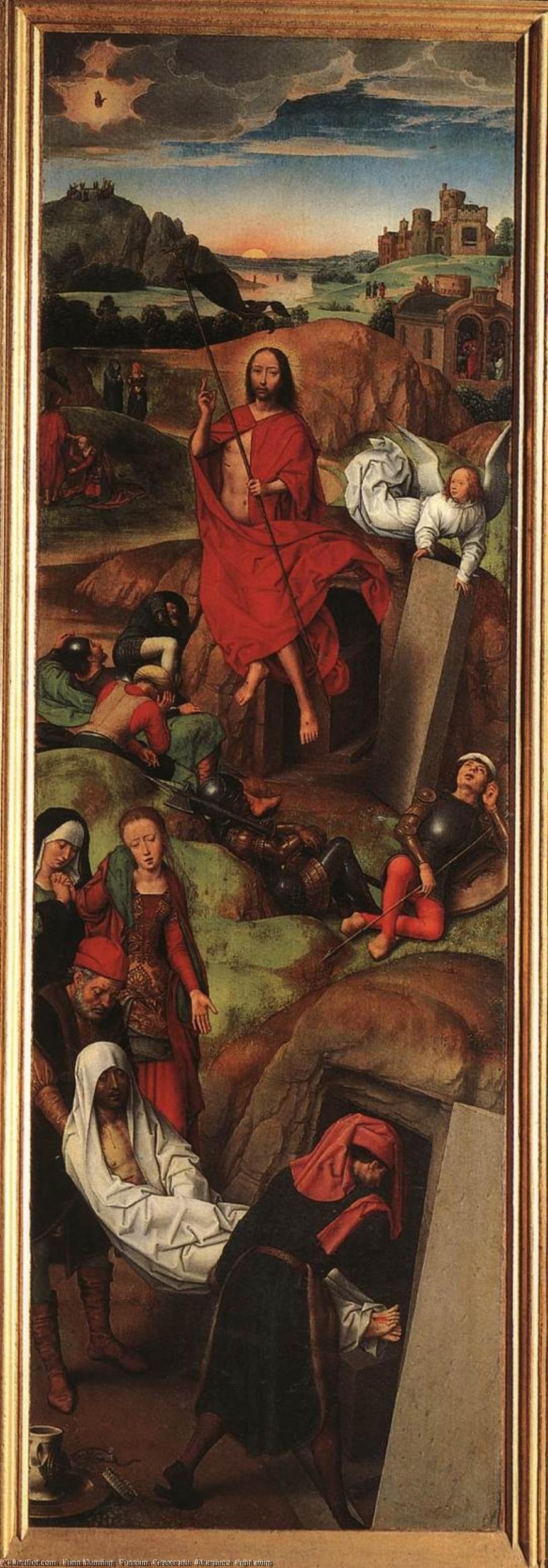
Passion (Greverade) Altarpiece (right wing)
Format de reproduction
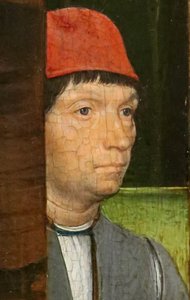
Most-Famous-Paintings.com presents a breathtaking hand-painted reproduction of Hans Memling’s “Passion (Greverade) Altarpiece” – specifically, the right wing panel from this monumental devotional work. Completed in 1491, this piece offers an unparalleled glimpse into the artistic and spiritual landscape of early 15th-century Bruges, a city then at the heart of European trade and religious patronage. Measuring 205 x 75 cm, the scale invites contemplation, drawing the viewer into the intensely emotional scene depicted.
This particular panel captures a pivotal moment within the Passion narrative – the crucifixion of Christ. Memling masterfully portrays Jesus on the cross, his body rendered with an almost sculptural realism that speaks to his deep understanding of human anatomy and emotion. The figures surrounding the cross are not merely observers; they are participants in this profound act of suffering and sacrifice. Their postures—some standing in horrified reverence, others offering gestures of comfort—evoke a palpable sense of grief and devotion. The inclusion of two horses, strategically placed within the background, adds to the dramatic intensity of the scene, hinting at the Roman Empire’s role in Christ's demise.
Hans Memling was a true master of the Early Netherlandish style, renowned for his meticulous attention to detail and his ability to imbue his paintings with profound spiritual meaning. Trained under Rogier van der Weyden, Memling inherited a legacy of technical brilliance, particularly in the use of oil paint – a relatively new medium at the time that allowed for unprecedented levels of realism and luminosity. Notice the subtle gradations of color, the delicate rendering of fabrics, and the precise modeling of forms. These elements combine to create an image of astonishing depth and texture. The painting’s surface is treated with a glazing technique, building up layers of translucent paint to achieve a rich, jewel-like quality.
Key Techniques:The “Passion (Greverade) Altarpiece” was commissioned for the Greverade Chapel in Bruges, a testament to the city's wealth and devotion. The altarpiece reflects the broader religious fervor of the late medieval period, when pilgrimages, relics, and devotional art played a central role in European life. The scene itself is laden with symbolism – the cross representing sacrifice and redemption, the figures embodying faith, sorrow, and compassion. Memling’s work aligns perfectly with the artistic trends of Bruges during this time, a city that became a major center for religious art production, attracting artists from across Europe.
Historical Context:This hand-painted reproduction captures the essence of Memling’s masterpiece, offering an authentic representation of this powerful religious scene. It's more than just a print; it's a work of art in its own right, imbued with the same emotional depth and spiritual resonance as the original. Perfect for adorning a chapel, a study, or any space where contemplation and reverence are valued, this reproduction is an investment in beauty, history, and enduring artistic legacy.

Allemagne

Plongez au cœur du Metropolitan Museum of Art avec notre sélection des 25 œuvres les plus emblématiques. Découvrez l'histoire de Van Gogh, Monet et d'autres maîtres, et trouvez l'inspiration pour une décoration intérieure raffinée. Reproductions de qualité muséale sur Most-Famous-Paintings.com.

Plongez au cœur de la peinture flamande ! Découvrez les 10 chefs-d'œuvre de Jan van Eyck, Campin & Memling. Histoire, symbolisme et réalisme : trouvez l'inspiration déco et achetez des reproductions d'art exceptionnelles sur Most-Famous-Paintings.com.
Plongez dans l'univers de James Abbott McNeill Whistler : découvrez ses 25 œuvres les plus emblématiques, des nocturnes aux portraits saisissants. Explorez son esthétisme unique et trouvez l'inspiration déco avec Most-Famous-Paintings.com.
Plongez dans l'univers vibrant d'Henri Matisse ! Découvrez les 25 œuvres majeures du fauvisme et de la peinture moderne. Explorez La Danse, L'Atelier Rouge & plus encore. Reproductions de qualité musée sur Most-Famous-Paintings.com.
Plongez au cœur des 25 chefs-d'œuvre de la National Gallery of Art, Washington ! Découvrez l'histoire fascinante de Cézanne, Matisse, Picasso et bien d'autres. Trouvez l'inspiration déco et admirez les reproductions tableaux exceptionnelles sur Most-Famous-Paintings.com.


Restez informé(e) des dernières actualités artistiques, des offres exclusives et des idées de décoration.
Parlez-nous de votre projet et nos experts en art vous proposeront 3 suggestions d'œuvres personnalisées.
Laissez-nous sélectionner 3 œuvres rien que pour vous – Gratuit !


 Partager

 Afficher la suite







 L'option verre n'est disponible que pour les dimensions inférieures à 110 cm.