x

Huile sur toile peinte à la main, avec cadre et dimensions personnalisés, réalisée sur commande par nos artistes. ( Commander l'impression Télécharger l'image haute résolution)





























Choisissez parmi nos formats prédéfinis qui respectent les proportions originales de l’œuvre.

Vous pouvez saisir vos propres dimensions pour l'adapter à un cadre ou à un espace spécifique. Si la taille sélectionnée ne correspond pas aux proportions de l'image d'origine, nous recadrerons l'œuvre ou prolongerons la peinture avec des éléments peints à la main supplémentaires. Une maquette numérique vous sera envoyée pour approbation avant le début de la production.
Veuillez noter que l'aperçu à l'écran ne reflète pas le recadrage ou l'extension réels. Seule la maquette montrera fidèlement la composition finale.
Bien que des tailles personnalisées soient disponibles, nous vous recommandons de sélectionner une dimension dans la liste prédéfinie afin de préserver les proportions d'origine.
Livraison dans le monde entier () en 3 à 4 semaines au lieu des 5 semaines habituelles. (19 août). Aucun compromis sur la qualité.


Pleasure
Format de la reproduction
René Magritte's “Pleasure,” painted around 1965, is not merely a depiction of a woman and birds; it’s an immersion into the unsettling logic of the subconscious. This arresting image, characterized by its stark contrasts and dreamlike quality, exemplifies Magritte’s signature style – a deliberate disruption of reality designed to provoke contemplation on perception, identity, and the hidden anxieties lurking beneath the surface of everyday life. The painting's immediate impact is undeniably disturbing, yet it possesses an undeniable beauty rooted in its meticulous execution and profound thematic concerns.
Magritte's technique is characterized by its precise realism applied to utterly illogical scenarios. He meticulously rendered each element – the woman’s white collar, the texture of the tree bark, the feathers of the birds – with a level of detail that heightens the painting’s unsettling effect. This hyperrealism serves not to depict reality faithfully but rather to amplify the strangeness of the scene. The use of muted colors—primarily browns, whites, and grays—contributes to the overall mood of quiet contemplation and subtle horror. His brushwork is smooth and controlled, reflecting a deliberate rejection of Impressionistic spontaneity in favor of a more intellectual approach to representation.
The symbolism within “Pleasure” is layered and open to interpretation, deeply rooted in Magritte’s personal history. The most significant element is undoubtedly the woman's face, bearing traces of blood – a direct reference to his mother’s death by drowning when he was thirteen. This event, a pivotal moment that shaped his entire artistic trajectory, manifests as a recurring motif throughout his work: veiled figures, obscured identities, and explorations of loss and trauma. The birds themselves are often interpreted as symbols of freedom, but here they seem trapped in a macabre ritual, mirroring the woman’s own sense of confinement within her memories.
"Pleasure" was created during a period when Surrealism was evolving beyond its initial focus on dreamlike imagery. Magritte's work increasingly explored philosophical questions about reality and representation, reflecting the broader intellectual currents of the mid-20th century. The painting’s emotional impact is profound – it evokes feelings of anxiety, disorientation, and a deep sense of melancholy. It’s a reminder that beneath the veneer of everyday life lies a world of hidden emotions and unresolved traumas. This piece resonates with collectors seeking works that challenge conventional perceptions and invite prolonged contemplation.

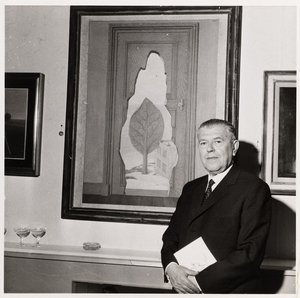
1898 - 1967 , Belgique

Explore the profound mystery of René Magritte’s 'The Treachery of Images.' Dive into an expert analysis of his Surrealist philosophy, the paradox of representation, and how he challenged reality through the interplay of language and visual perception.

Elevate your design projects with Most-Famous-Paintings's premium canvas prints and hand-painted reproductions. Discover affordable, museum-quality wall decor delivered worldwide, offering freelance decorators professional excellence, archival durability, and bespoke customization for every space.


Restez informé(e) des dernières actualités artistiques, des offres exclusives et des idées de décoration.
Parlez-nous de votre projet et nos experts en art vous proposeront 3 suggestions d'œuvres personnalisées.
Laissez-nous sélectionner 3 œuvres rien que pour vous – Gratuit !


 Aperçu en situation
 Envoyer
 Partager
 Détails de l'œuvre

 Télécharger
 Articles similaires
 Radiographie
 Diaporama

 Lire la suite







 L'option verre n'est disponible que pour les dimensions inférieures à 110 cm.