x

 Oil On CanvasWallArtFrench Baroque Painting
 1618
1618 120.0 x 170.0 cm
 Galerie Nationale du Canada
Impressions giclées ou sur toile de qualité musée, avec une production rapide et des finitions au choix. ( Commander la reproduction peinte à la main Télécharger l'image haute résolution)





























Choisissez parmi nos formats prédéfinis qui respectent les proportions originales de l’œuvre.

Vous pouvez saisir vos propres dimensions pour vous adapter à un cadre ou à un espace spécifique. Si la taille sélectionnée ne correspond pas aux proportions de l'image originale, nous recadrerons l'œuvre ou étendrons l'image avec une bordure en miroir ou une couleur unie. Une maquette numérique vous sera envoyée pour approbation avant le début de la production.
Veuillez noter que l'aperçu à l'écran ne reflète pas le recadrage ou l'extension réelle. Seule la maquette montrera avec précision la composition finale.
Bien que des tailles personnalisées soient disponibles, nous vous recommandons de choisir une dimension dans la liste prédéfinie afin de préserver les proportions originales.
Livraison dans le monde entier () en 2 semaines au lieu des 4/5 semaines habituelles. (18 août)


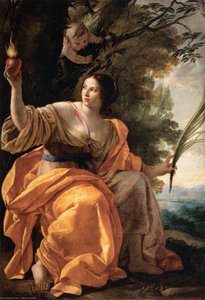
The Fortune Teller
Format de la reproduction
The Fortune Teller, painted in 1618 by the masterful Simon Vouet, offers a captivating glimpse into the social and artistic currents of early 17th-century France. This portrait, measuring 120 x 170 cm, transcends a simple depiction of a gathering; it’s a carefully constructed tableau that speaks volumes about patronage, conversation, and the burgeoning influence of the Baroque style. Vouet, a pivotal figure in transitioning French painting from Mannerism to the more dynamic Baroque, meticulously renders his subject – a woman adorned in a vibrant red dress – amidst a group of attentive onlookers. The scene unfolds with an air of quiet engagement, hinting at the importance of social interaction and perhaps even divination within this era.
The presence of the clock in the upper portion of the painting is particularly intriguing. While seemingly decorative, it subtly reinforces the theme of time – a recurring motif in Baroque art – and perhaps alludes to the act of fortune-telling itself. The red dress worn by the central figure commands attention, a bold color choice that would have been highly fashionable at the time and likely associated with wealth and status. The scene’s setting, though not explicitly detailed, suggests a private salon or gathering place within Paris, reflecting the growing importance of intellectual and artistic circles in the city.
Executed in oil on canvas, The Fortune Teller showcases Vouet’s mastery of glazing techniques. The smooth surfaces and luminous colors are achieved through meticulous layering of thin washes of paint – a hallmark of his style. The artist’s attention to detail is evident in the rendering of fabrics, textures, and subtle variations in skin tone. This level of technical precision contributed significantly to the painting's enduring appeal and its place as a seminal work within Vouet’s oeuvre.
This hand-painted reproduction captures the essence of Simon Vouet’s artistic vision, offering an exquisite addition to any art collection or interior design scheme. Its evocative portrayal of 17th-century Parisian society and its masterful execution make it a truly timeless piece. Bring the drama and sophistication of this Baroque masterpiece into your home with Most-Famous-Paintings.com's meticulously crafted reproduction.

Simon Vouet fut une figure essentielle dans la transition de la peinture française du maniérisme au style baroque. Né au sein d'une famille artistique – son père Laurent était peintre et son frère Aubin a également embrassé l'art – Vouet reçut une formation précoce qui posa les bases de son succès futur. Son petit-fils, Ludovico Dorigny, poursuivrait l’héritage artistique familial.
Durant son passage en Italie, Vouet absorba diverses influences. Il étudia les techniques d'éclairage dramatique pionniérées par Caravage, embrassa des éléments du maniérisme italien et analysa méticuleusement les palettes de couleurs et la perspective di sotto in su employée par Paolo Veronese. Il puisait également son inspiration dans les œuvres de Carracci, Guercino, Lanfranco et Guido Reni, synthétisant ces styles diversifiés en une vision artistique unique.
L'héritage de Simon Vouet repose sur son rôle essentiel de pont entre l’art italien et français. Il importa avec succès le dynamisme et la grandeur du baroque italien, le transformant en un style qui résonnait avec les goûts de la cour et de l'aristocratie françaises. Son influence est indéniable dans le développement de la peinture française au XVIIe siècle, et ses contributions continuent d’être reconnues par les historiens de l’art aujourd’hui.

1590 - 1649 , France

Elevate your design projects with Most-Famous-Paintings's premium canvas prints and hand-painted reproductions. Discover affordable, museum-quality wall decor delivered worldwide, offering freelance decorators professional excellence, archival durability, and bespoke customization for every space.

Explore the profound differences between Baroque drama and Rococo elegance. Our expert guide delves into art history, chiaroscuro, and the evolution of European masterpieces for collectors and enthusiasts seeking deep historical context.


Restez informé(e) des dernières actualités artistiques, des offres exclusives et des idées de décoration.
Parlez-nous de votre projet et nos experts en art vous proposeront 3 suggestions d'œuvres personnalisées.
Laissez-nous sélectionner 3 œuvres rien que pour vous – Gratuit !


 Aperçu en situation
 Envoyer
 Partager
 Détails de l'œuvre

 Télécharger
 Articles similaires
 Radiographie
 Diaporama
 Lire la suite







 L'option verre n'est disponible que pour les dimensions inférieures à 110 cm.