x

तेज़ उत्पादन और विभिन्न फिनिश विकल्पों के साथ म्यूजियम-क्वालिटी गिकली (giclée) या कैनवस प्रिंट। ( हाथ से बनी पेंटिंग खरीदें छवि खरीदें)
कलाकृति के मूल अनुपात से मेल खाने वाले हमारे पूर्व निर्धारित आकारों में से चुनें।

आप किसी विशिष्ट फ्रेम या स्थान के अनुसार अपने स्वयं के आयाम (dimensions) दर्ज कर सकते हैं। यदि आपके द्वारा चुना गया आकार मूल छवि के अनुपात से मेल नहीं खाता है, तो हम कलाकृति को क्रॉप कर देंगे या मिरर किए गए या सॉलिड-फिल किनारे के साथ छवि का विस्तार करेंगे। उत्पादन शुरू होने से पहले आपकी स्वीकृति के लिए एक डिजिटल मॉकअप भेजा जाएगा।
कृपया ध्यान दें कि स्क्रीन पर दिखने वाला प्रीव्यू वास्तविक क्रॉपिंग या विस्तार को नहीं दर्शाता है। केवल मॉकअप ही अंतिम संरचना को सटीक रूप से दिखाएगा।
हालाँकि कस्टम आकार उपलब्ध हैं, फिर भी हम मूल अनुपात बनाए रखने के लिए पूर्व-निर्धारित सूची में से एक आयाम चुनने की सलाह देते हैं।
विश्वव्यापी डिलीवरी (), मानक 4/5 सप्ताह के बजाय मात्र 2 सप्ताह में। (18 अगस्त)


Dancer and Reclining Man
प्रतिकृति का आकार
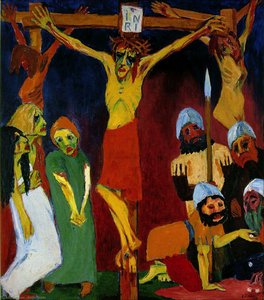
“Dancer and Reclining Man,” created by Emil Nolde around 1938-1945, is a striking example of his mature Expressionist style. This artwork isn’t merely a depiction of two figures; it's an exploration of human emotion and psychological depth conveyed through bold colors, simplified forms, and dynamic brushwork. Nolde, a key figure in the German Expressionist movement and initially associated with Die Brücke, sought to express inner feelings rather than represent external reality faithfully. This piece exemplifies that pursuit.
The composition is deliberately simple yet powerful. The dancer dominates the scene, positioned centrally and slightly elevated above a reclining man. This arrangement creates a sense of immediacy and draws the viewer's eye directly to the interaction between these two figures. Nolde employs a vibrant color palette dominated by yellows, purples, blues, and greens. Yellow is used extensively on both figures, creating a striking contrast against the cooler tones of the background. The loose application of paint, likely using watercolor or gouache, contributes to the artwork’s raw energy. Lines are not precisely defined; instead, they are suggested through brushstrokes and color transitions, blurring the outlines of the figures and enhancing their expressive quality. Angular lines further amplify the sense of movement and dynamism within the composition.
Created during a turbulent period in German history – the years leading up to and including World War II – “Dancer and Reclining Man” carries an undercurrent of emotional intensity. While the exact meaning remains open to interpretation, the distorted forms and bold colors suggest underlying tensions or anxieties. The dancer’s energetic pose contrasts with the reclining man's relaxed state, potentially symbolizing a duality between action and contemplation, performance and repose. Nolde himself faced persecution by the Nazi regime, who deemed his work "degenerate art," and banned him from painting. Despite this adversity, he continued to create, often in secret, producing works like this one that resonate with profound emotional depth.
“Dancer and Reclining Man” is a testament to Emil Nolde’s unique artistic vision. It encapsulates the core tenets of Expressionism – prioritizing subjective experience and emotional expression over realistic representation. This artwork, with its bold colors, simplified forms, and raw energy, continues to captivate viewers and serves as a powerful reminder of the artist's ability to convey complex emotions through visual language. Owning a hand-painted reproduction allows you to bring this evocative piece into your home or office, experiencing firsthand the emotional power of Nolde’s Expressionist masterpiece.

एमिल नोल्डे, जिनका जन्म हंस एमिल हैंसेन के नाम से 7 अगस्त, 1867 को जर्मनी के श्लेस्विग-होल्स्टीन प्रांत के नोल्डे में हुआ था, एक प्रसिद्ध जर्मन-डेनिश चित्रकार थे। उनका परिवार ग्रामीण जीवन और धार्मिक विश्वासों से गहराई से जुड़ा हुआ था, ऐसे कारक जिन्होंने उनकी कलात्मक दृष्टि को गहरा प्रभावित किया। हालांकि उनके माता-पिता ने उन्हें अधिक पारंपरिक करियर अपनाने की सलाह दी थी, लेकिन नोल्डे ने लगातार अपनी कला के प्रति जुनून का पीछा किया। उन्होंने बीस वर्ष की उम्र में लकड़ी की नक्काशी और फर्नीचर सजावट का काम किया, इससे पहले कि उन्होंने पूरी तरह से चित्रकला को समर्पित कर दिया।
नोल्डे की कलात्मक यात्रा आत्म-शिक्षा और अन्वेषण द्वारा चिह्नित थी। उन्होंने व्यापक रूप से यात्रा की, विभिन्न संस्कृतियों और कला रूपों से प्रेरणा ली। शुरुआती प्रभावों में विन्सेंट वैन गॉग, पॉल गौगुइन और पारंपरिक लोक कला शामिल थे - विशेष रूप से आदिम मुखौटों और नक्काशी की अभिव्यंजक शक्ति। इन मुलाकातों ने उन्हें बोल्ड रंगों, सरलीकृत रूपों और भावनात्मक रूप से आवेशित विषयों में रुचि जगाई। उन्होंने शुरू में यथार्थवाद और प्रभाववाद के साथ प्रयोग किया, लेकिन जल्दी ही अधिक व्यक्तिपरक और अभिव्यंजक शैली की ओर बढ़ गए।
1905 में, नोल्डे ने डी ब्रुके (द ब्रिज) की सह-स्थापना की, जो जर्मन अभिव्यक्तिवादी कलाकारों का एक महत्वपूर्ण समूह था। इस सामूहिक ने अकादमिक परंपराओं से अलग होने और कट्टरपंथी कलात्मक प्रयोगों के माध्यम से आंतरिक भावनाओं को व्यक्त करने की मांग की। डी ब्रुके में नोल्डे का योगदान महत्वपूर्ण था; रंग के उनके तीव्र उपयोग और विकृत रूपों ने प्रतिनिधित्व की सीमाओं को आगे बढ़ाया। हालांकि, उन्होंने समूह के भीतर एक स्वतंत्र मार्ग बनाए रखा, अक्सर विषय वस्तु और शैलीगत दृष्टिकोण में भिन्नता रखते हुए।
नोल्डे के कार्यों की विशेषता कई आवर्ती विषय हैं: धार्मिक दृश्य, परिदृश्य, समुद्र तट और चित्र। वह मुखौटों की शक्ति से विशेष रूप से मोहित थे - दोनों भौतिक वस्तुओं के रूप में और आदिम भावनाओं के प्रतीकात्मक प्रतिनिधित्व के रूप में। उनकी कलात्मक शैली को निम्नलिखित द्वारा परिभाषित किया गया है:
अपने करियर के दौरान, नोल्डे ने एक विशाल मात्रा में काम किया। उनकी सबसे प्रसिद्ध चित्रों में से कुछ शामिल हैं:
नाज़ी शासन के दौरान आलोचना और सेंसरशिप का सामना करने के बावजूद - उनके काम को "अध: पतनशील" माना गया था - नोल्डे ने गुप्त रूप से पेंट करना जारी रखा। उन्होंने इस अवधि के दौरान जल रंग चित्रों का एक महत्वपूर्ण संग्रह तैयार किया, जो कलात्मक अभिव्यक्ति के प्रति उनकी अटूट प्रतिबद्धता को दर्शाता है।
एमिल नोल्डे के रंग के नवीन उपयोग और अभिव्यंजक ब्रशवर्क ने पीढ़ियों के कलाकारों को गहराई से प्रभावित किया। उनके काम ने पारंपरिक प्रतिनिधित्व कला और उसके बाद के अमूर्त आंदोलनों के बीच की खाई को पाटा। वह जर्मन अभिव्यक्तिवाद में एक केंद्रीय व्यक्ति बने हुए हैं, जो अपनी भावनात्मक तीव्रता, बोल्ड प्रयोगों और स्थायी कलात्मक दृष्टि के लिए जाने जाते हैं। उनकी विरासत दुनिया भर के कलाकारों और कला प्रेमियों को प्रेरित करती रहती है।

1867 - 1956 , जर्मनी

Explore the profound history of Expressionism. From Edvard Munch to Jackson Pollock, discover how artists used distortion and color to convey raw emotion. A definitive guide for art lovers seeking deep historical context and mastery in fine art reproductions.

Explore the profound history of Surrealist Expressionism. Discover how artists blended dream logic with raw emotion to navigate post-war trauma through masterful, evocative imagery and psychological depth.


नवीनतम कला समाचार, विशेष ऑफ़र और सजावट के विचारों से अपडेट रहें।
हमें अपने प्रोजेक्ट के बारे में बताएं और हमारे कला विशेषज्ञ आपको 3 व्यक्तिगत कला सुझाव प्रदान करेंगे।
हम आपके लिए विशेष रूप से 3 विकल्प चुनने में आपकी मदद कर सकते हैं - बिल्कुल मुफ्त!


 पूर्वावलोकन देखें
 साझा करें
 साझा करें
 विस्तृत विवरण

 डाउनलोड करें
 समान कलाकृतियाँ
 एक्स-रे
 स्लाइड शो देखें
 पूरा देखें




































 ग्लास का विकल्प केवल 110 सेमी से कम आकार में ही उपलब्ध है।