


x


 Preview
 पेंटिंग ऑर्डर करें छवि खरीदें
 साझा करें
 विस्तृत विवरण
 पसंदीदा में जोड़ें
 डाउनलोड करें
 समान कलाकृतियाँ
 एक्स-रे
 स्लाइड शो देखें
 Acrylic On CanvasWallArtGerman Expressionism
 1911
1911 63.0 x 50.0 cm
तेज़ उत्पादन और विभिन्न फिनिश विकल्पों के साथ म्यूजियम-क्वालिटी गिकली (giclée) या कैनवस प्रिंट।





























कलाकृति के मूल अनुपात से मेल खाने वाले हमारे पूर्व निर्धारित आकारों में से चुनें।

आप किसी विशिष्ट फ्रेम या स्थान के अनुसार अपने स्वयं के आयाम (dimensions) दर्ज कर सकते हैं। यदि आपके द्वारा चुना गया आकार मूल छवि के अनुपात से मेल नहीं खाता है, तो हम कलाकृति को क्रॉप कर देंगे या मिरर किए गए या सॉलिड-फिल किनारे के साथ छवि का विस्तार करेंगे। उत्पादन शुरू होने से पहले आपकी स्वीकृति के लिए एक डिजिटल मॉकअप भेजा जाएगा।
कृपया ध्यान दें कि स्क्रीन पर दिखने वाला प्रीव्यू वास्तविक क्रॉपिंग या विस्तार को नहीं दर्शाता है। केवल मॉकअप ही अंतिम संरचना को सटीक रूप से दिखाएगा।
हालाँकि कस्टम आकार उपलब्ध हैं, फिर भी हम मूल अनुपात बनाए रखने के लिए पूर्व-निर्धारित सूची में से एक आयाम चुनने की सलाह देते हैं।
विश्वव्यापी डिलीवरी (), मानक 4/5 सप्ताह के बजाय मात्र 2 सप्ताह में। (24 जुलाई)


Blue Fox
प्रतिकृति का आकार
Franz Marc's "Blue Fox," painted in 1911, isn’t merely a depiction of an animal; it’s a profound meditation on the spirit of nature and the artist’s deeply felt connection to the natural world. This work, rendered in vibrant blues, purples, yellows, and greens, embodies the core tenets of early Expressionism – a movement that sought to convey subjective emotions and inner experiences rather than objective reality. Marc, profoundly influenced by his father's landscape painting and initially considering a career in theology, ultimately found his spiritual voice through capturing the essence of animals, believing they held a purity and simplicity untouched by human complexities.
The painting itself presents a fox resting on the ground, its head bowed as if lost in thought. The color palette is remarkably unconventional for a naturalistic subject – the dominant blues evoke a sense of twilight, mystery, and perhaps even melancholy. These aren’t the cool, detached blues of a winter landscape; instead, they possess an almost luminous quality, suggesting an inner light within the animal itself. The use of contrasting warm tones—the yellows and oranges—highlights the fox's form, drawing attention to its delicate musculature and creating a dynamic interplay between darkness and illumination. Marc’s brushwork is loose and expressive, avoiding precise detail in favor of capturing the *feeling* of the creature – its stillness, its vulnerability, and its inherent wildness.
“Blue Fox” was created during a pivotal period for Marc and his artistic circle, Der Blaue Reiter (The Blue Rider). This group, formed in 1909, brought together artists like Wassily Kandinsky, Emil Nolde, and Gabriele Münter, united by their desire to explore spirituality through art. The name itself reflects the group’s fascination with color as a means of conveying emotion and spiritual truth – a concept deeply rooted in Marc's belief that nature held the key to unlocking profound experiences. Within this context, animals became particularly significant; they were seen not just as subjects but as embodiments of primal forces and symbols of the soul.
The fox itself carries layers of symbolic meaning. In folklore, foxes are often associated with cunning, trickery, and a connection to the unseen world. However, Marc’s portrayal transcends these traditional associations. The fox's subdued posture suggests introspection and perhaps even a quiet dignity. It’s less about cleverness and more about a deep communion with the earth – a recognition of its rhythms and mysteries. The painting can be interpreted as an allegory for the human soul seeking solace and understanding in the natural world, mirroring Marc’s own spiritual quest.
Marc's technique is characterized by his deliberate simplification of forms and his intense focus on color. He employed a technique known as “color-form,” where color was not merely decorative but actively shaped the composition and conveyed meaning. He often worked directly onto the canvas, applying paint in broad strokes with minimal blending, creating a sense of immediacy and raw emotion. This approach contrasts sharply with the academic traditions of the time, which emphasized meticulous detail and realistic representation.
Painted in 1911, “Blue Fox” reflects the broader artistic currents of the early 20th century. The rise of Expressionism coincided with a period of social and political upheaval – the decline of traditional values, the anxieties of modernity, and the looming threat of war. Marc’s work can be seen as a response to these turbulent times, offering a refuge in the beauty and serenity of nature. It's a poignant reminder that even amidst chaos, there remains an enduring connection between humanity and the natural world.
A hand-painted reproduction of Franz Marc’s "Blue Fox" offers a remarkable opportunity to bring this evocative masterpiece into your home or office. Most-Famous-Paintings meticulously recreates Marc's vibrant palette and expressive brushwork, capturing the painting's emotional depth with stunning accuracy. The high-quality materials used in our reproductions ensure that they will retain their beauty and vibrancy for years to come. More than just a decorative piece, this reproduction serves as a window into the soul of an artist and a celebration of the enduring power of nature’s spirit – a timeless addition to any art collection or interior design scheme.

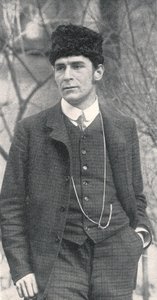
1880 - 1916 , जर्मनी
मार्क चागल की शीर्ष 25 कलाकृतियों का अन्वेषण करें! स्वप्निल रंगों, यहूदी लोककथाओं और भावपूर्ण आधुनिक कला के जादू में खो जाएं। Most-Famous-Paintings.com पर उच्च गुणवत्ता वाले प्रिंट और अद्वितीय सजावट विचार खोजें।

Immerse yourself in the captivating world of slate blue! Explore 10 iconic paintings by Monet, Van Gogh & Renoir. Discover their stories, techniques & find museum-quality art reproductions for your home at .
Explore 10 defining German Expressionism masterpieces – from Munch's 'The Scream' to Kandinsky’s abstracts. Discover the artists, stories & bold colors behind this powerful art movement. Find museum-quality reproductions at Most-Famous-Paintings.com.

क्लाउड मोनेट की शीर्ष 25 पेंटिंग! प्रभाववाद के जादू और वॉटर लिलीज़ की सुंदरता का अनुभव करें। कला इतिहास, तकनीक और प्रेरणादायक कहानियाँ जानें। Most-Famous-Paintings.com पर उच्च गुणवत्ता वाले कला प्रिंट खोजें।

Explore the profound world of Franz Marc's Expressionist paintings. Discover his spiritual connection to animals, innovative use of color, and lasting impact on modern art history. Learn more at Most-Famous-Paintings.


नवीनतम कला समाचार, विशेष ऑफ़र और सजावट के विचारों से अपडेट रहें।
हमें अपने प्रोजेक्ट के बारे में बताएं और हमारे कला विशेषज्ञ आपको 3 व्यक्तिगत कला सुझाव प्रदान करेंगे।
हम आपके लिए विशेष रूप से 3 विकल्प चुनने में आपकी मदद कर सकते हैं - बिल्कुल मुफ्त!


 साझा करें

 पूरा देखें







 ग्लास का विकल्प केवल 110 सेमी से कम आकार में ही उपलब्ध है।


