
विशलिस्ट शॉपिंग कार्ट Cart
x
पूर्वावलोकन देखेंपूर्वावलोकन देखें AR में देखेंAR में देखें हाथ से बनी पेंटिंग खरीदें हाथ से बनी पेंटिंग खरीदेंछवि खरीदें छवि खरीदें साझा करेंसाझा करें
विस्तृत विवरणविस्तृत विवरण पसंदीदा में जोड़ें पसंदीदा में जोड़ें डाउनलोड करेंडाउनलोड करें समान कलाकृतियाँसमान कलाकृतियाँ एक्स-रेएक्स-रे स्लाइड शो देखेंस्लाइड शो देखें

Le Calvaire

The painting depicts Jesus Christ crucified, surrounded by angels and mourners, with horses and symbolic figures reflecting Moreau's Symbolist aesthetic.

फ्रांसीसी प्रतीकवादी चित्रकार गुस्ताव मोरो (1826-1898) की रहस्यमय दुनिया में कदम रखें! 'सलोम' जैसी पौराणिक और बाइबिल की पेंटिंग के लिए प्रसिद्ध, उन्होंने हेनरी मैटिस और जॉर्जेस रूओल्ट को प्रभावित किया। उनकी स्वप्निल कला का अनुभव करें!

गिक्ली / आर्ट प्रिंट

तेज़ उत्पादन और विभिन्न फिनिश विकल्पों के साथ म्यूजियम-क्वालिटी गिकली (giclée) या कैनवस प्रिंट। (हाथ से बनी पेंटिंग खरीदें हाथ से बनी पेंटिंग खरीदेंछवि खरीदें छवि खरीदें)

P118B $10
P118H $10
P118W $10
P438Z $10
P508JH $12
P508YH $12
P805H $10
P805Z $10
P919BZ $10
P919G $10
P919XJ $10
P959ZH $10
P968JZ $12
W106C $8
W218G $10
W218JH $8
W218Y $10
W307PJ $10
W316G $10
W316PJ $8
W316Y $10
W398PJ $8
W4111J $10
W500HY $15
W500JH $15
W692G $12
W849H $8
W940BG $15
W953PJ $8

Standard
custom
CM
INCH

कलाकृति के मूल अनुपात से मेल खाने वाले हमारे पूर्व निर्धारित आकारों में से चुनें।

चौड़ाई
ऊँचाई

आप किसी विशिष्ट फ्रेम या स्थान के अनुसार अपने स्वयं के आयाम (dimensions) दर्ज कर सकते हैं। यदि आपके द्वारा चुना गया आकार मूल छवि के अनुपात से मेल नहीं खाता है, तो हम कलाकृति को क्रॉप कर देंगे या मिरर किए गए या सॉलिड-फिल किनारे के साथ छवि का विस्तार करेंगे। उत्पादन शुरू होने से पहले आपकी स्वीकृति के लिए एक डिजिटल मॉकअप भेजा जाएगा।
कृपया ध्यान दें कि स्क्रीन पर दिखने वाला प्रीव्यू वास्तविक क्रॉपिंग या विस्तार को नहीं दर्शाता है। केवल मॉकअप ही अंतिम संरचना को सटीक रूप से दिखाएगा।
हालाँकि कस्टम आकार उपलब्ध हैं, फिर भी हम मूल अनुपात बनाए रखने के लिए पूर्व-निर्धारित सूची में से एक आयाम चुनने की सलाह देते हैं।

विश्वव्यापी डिलीवरी (), मानक 4/5 सप्ताह के बजाय मात्र 2 सप्ताह में। (23 अगस्त)

why_choose_icon
दुनिया भर में मुफ़्त एक्सप्रेस शिपिंग
why_choose_icon
उच्च गुणवत्ता वाला लिनेन कैनवास
why_choose_icon
पूर्ण शिपिंग बीमा
why_choose_icon
सीमा शुल्क और आयात कर वापसी की गारंटी
why_choose_icon
सटीक रंग मिलान की गारंटी
why_choose_icon
60-दिन की वापसी नीति (केवल दोषों के लिए)
why_choose_icon
100% पैसे वापसी की गारंटी
why_choose_icon
थोक छूट का लाभ

कुल कीमत

$ 68

reproduction

Le Calvaire

गिक्ली / आर्ट प्रिंट

प्रतिकृति का आकार

-

कुल देय राशि

$ 68

प्रमुख विशेषताएँ

  • Title: Le Calvaire
  • Artistic style: Mystical; Surrealist
  • Location: Private Collection
  • Artist: Gustave Moreau
  • Medium: Oil on canvas
  • Subject or theme: Christian iconography

कला प्रश्नोत्तरी

प्रत्येक प्रश्न का केवल एक ही सही उत्तर है।

प्रश्न 1:
What artistic movement is Gustave Moreau considered a pioneer of?
प्रश्न 2:
What central biblical event is depicted in the painting 'Le Calvaire'?
प्रश्न 3:
In terms of color, how is the central figure of Jesus described in the painting?
प्रश्न 4:
What was Gustave Moreau's primary artistic goal instead of capturing objective reality?
प्रश्न 5:
Which of these elements is mentioned as being present in the scene alongside the central figure?

संग्रहणीय वस्तु का विवरण

A Visionary Encounter with the Divine

In the vast, often turbulent landscape of nineteenth-century art, few figures command as much mystique as Gustave Moreau. His masterpiece, Le Calvaire, serves as a profound gateway into the soul of Symbolism, inviting the viewer to step away from the tangible world and into a realm of spiritual introspection. Completed in 1867, this work transcends the traditional boundaries of religious iconography. Rather than presenting a mere historical documentation of the crucifixion, Moreau crafts a dreamlike meditation on the intersection of human suffering and divine transcendence. The painting does not simply depict an event; it evokes an atmosphere, pulling the observer into a sacred space where the boundaries between the earthly and the ethereal become beautifully blurred.

The composition is anchored by the luminous presence of Christ, whose figure emerges from the canvas with a celestial radiance. Moreau utilizes a striking palette of golds and deep, swirling crimsons to create a sense of cosmic drama. This deliberate use of color serves a dual purpose: the gold signifies the incorruptible nature of the divine, while the surrounding reds evoke the visceral reality of sacrifice and passion. As your eyes wander through the scene, you encounter a tapestry of figures—angels, mourners, and observers—each rendered with a meticulous attention to detail that suggests a deeper, hidden narrative. The interplay of light and shadow creates a chiaroscuro effect that lends weight to the emotional gravity of the moment, making the scene feel both monumental and intimately personal.

The Language of Symbolism and Technique

To understand Le Calvaire is to understand Moreau’s rejection of the fleeting impressions favored by his contemporaries. While the Impressionists sought to capture the transient effects of light on nature, Moreau turned his gaze inward, seeking to paint the intangible. His technique is characterized by an opulent, almost jewel-like application of pigment, which lends the work a sense of preciousness and permanence. Every brushstroke feels intentional, contributing to a dense texture of meaning. The figures are not merely characters in a story; they are symbols of human emotion—grief, devotion, and awe—woven into a complex visual language that rewards repeated contemplation.

The presence of horses and secondary figures adds layers of movement and tension to the composition, preventing the scene from feeling static. The way light catches the edges of the drapery and the subtle glint in the eyes of the onlookers creates a sense of living breath within the paint. For the collector or the interior designer, this piece offers more than just aesthetic beauty; it provides a focal point of profound intellectual and emotional depth. A high-quality reproduction of Le Calvaire brings this sense of historical grandeur and spiritual mystery into a contemporary space, acting as a window into an era where art was a vessel for the most profound mysteries of the human condition.

An Eternal Legacy for the Discerning Collector

Integrating a work of such magnitude into a curated collection or a sophisticated interior requires an appreciation for its transformative power. Le Calvaire is not a passive decoration; it is an active participant in the room's atmosphere. Its rich, warm tones and dramatic subject matter can anchor a large-scale gallery wall or serve as a contemplative centerpiece in a study or library. The painting’s ability to evoke both melancholy and hope makes it a timeless addition, appealing to those who value art that challenges the intellect while soothing the spirit.

Owning a reproduction of this caliber allows one to preserve the legacy of Gustave Moreau, a master who dared to dream in color and symbol. Whether you are drawn to the historical significance of the Symbolist movement or the sheer technical brilliance of Moreau’s hand, Le Calvaire stands as a testament to the enduring power of religious art reimagined through a modern, psychological lens. It is an invitation to linger, to reflect, and to find beauty in the profound depths of the human experience.

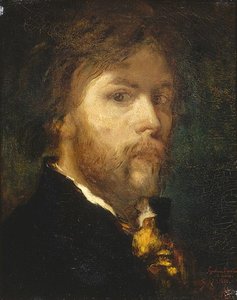
कलाकार का जीवन परिचय

गुस्ताव मोरो: प्रतीकवाद के स्वप्न बुनकर

गुस्ताव मोरो, एक ऐसा नाम जो 19वीं सदी के पेरिस से उभरे प्रतीकवादी चित्रकला की रहस्यमय गहराई और अलौकिक सुंदरता का पर्याय है। 1826 में एक बुर्जुआ परिवार में जन्मे—उनके पिता एक वास्तुकार और अभिलेखागार थे—मोरो के शुरुआती जीवन को बौद्धिक जिज्ञासा और सौंदर्य संबंधी संवेदनशीलता से भरा हुआ था। कम उम्र से ही उन्होंने रेखाचित्र बनाने की असाधारण प्रतिभा का प्रदर्शन किया, जिसे फ्रांस्वा-एडोर्ड पिको जैसे शख्सियतों के अधीन École des Beaux-Arts में पारंपरिक अकादमिक प्रशिक्षण के माध्यम से पोषित किया गया। फिर भी, मोरो का कलात्मक मार्ग अपने समय के प्रचलित यथार्थवादी और प्रभाववादी धाराओं से अलग हो जाएगा। उनका उद्देश्य क्षणभंगुर क्षणों या वस्तुनिष्ठ वास्तविकता को कैद करना नहीं था; इसके बजाय उन्होंने अपनी गहरी व्यक्तिगत और प्रतीकात्मक दृश्य भाषा के माध्यम से पौराणिक कथाओं, धर्म और मानव मन की छिपी हुई दुनिया को उजागर करने का प्रयास किया। उनकी यात्रा आंतरिक अन्वेषण की थी, जो अपने जुनून और आध्यात्मिक आकांक्षाओं को अत्यधिक विस्तार पर ध्यान देने और अक्सर भव्य रंग पैलेट के साथ कैनवास पर अनुवाद करती थी।

प्रभावों और कलात्मक विकास का भट्टी

मोरो का कलात्मक विकास शून्य में नहीं हुआ था। अपने युग के प्रमुख रुझानों को अस्वीकार करते हुए भी, उन्होंने विविध स्रोतों से प्रेरणा ली। यूजीन डेलाक्रोइक्स के कार्यों में रंग के नाटकीय उपयोग और विदेशी विषय वस्तु ने उनके भीतर गहरे प्रतिध्वनि पैदा की, जिससे भावनात्मक तीव्रता से भरे कथा चित्रकला के लिए एक जुनून भड़क उठा। उन्होंने माइकल एंजेलो और लियोनार्डो दा विंची जैसे पुनर्जागरण के महान कलाकारों को भी अत्यधिक सम्मान दिया, उनकी रचना, शरीर रचना विज्ञान और मनोवैज्ञानिक अंतर्दृष्टि में महारत की प्रशंसा करते हुए। फिर भी, मोरो केवल इन कलाकारों की नकल नहीं कर रहे थे; वे अपने प्रभावों को पूरी तरह से नई चीज़ में संश्लेषित कर रहे थे। 1850 के दशक में इटली की उनकी यात्राएँ निर्णायक साबित हुईं, उन्हें प्राचीनता और पुनर्जागरण की कला में डुबो दिया गया, जिससे उनके भविष्य के कार्यों को भरने वाले रूपांकनों और शैलीगत संकेतों का खजाना प्राप्त हुआ। उन्होंने पुराने स्वामी चित्रों की सावधानीपूर्वक प्रतिलिपि बनाई, न कि प्रतिकृति के अभ्यास के रूप में, बल्कि उनकी तकनीकों को अवशोषित करने और उनके रहस्यों को उजागर करने के साधन के रूप में। यह शिल्प के प्रति समर्पण, उनकी पौराणिक कथाओं और साहित्य में बढ़ती रुचि के साथ मिलकर, उनके अद्वितीय कलात्मक दृष्टिकोण की नींव रखी।

प्रतीकों की दुनिया: विषय और तकनीकें

मोरो के चित्रों को केवल मिथकों या बाइबिल की कहानियों का चित्रण नहीं माना जा सकता है; वे जटिल रूप से प्रतीकात्मक रचनाएँ हैं जो चिंतन और व्याख्या को आमंत्रित करती हैं। उन्होंने सालोम, ओर्फियस, जुपिटर और सेमिला जैसे कथाओं में गहराई से उतरकर उन्हें शाब्दिक रूप से बताने के बजाय उनके अंतर्निहित मनोवैज्ञानिक और आध्यात्मिक सत्यों का पता लगाया। उनके कैनवासों पर सर्प जैसे प्रतीकात्मक कल्पना से भरे हुए हैं जो प्रलोभन का प्रतिनिधित्व करते हैं, रत्न सांसारिक इच्छाओं को दर्शाते हैं, और शोक, हानि या मोचन जैसी अमूर्त अवधारणाओं को मूर्त रूप देते हैं। उन्होंने जटिल विवरण, समृद्ध बनावट और प्रकाश और छाया के अक्सर परेशान करने वाले संयोजन के माध्यम से एक स्वप्निल वातावरण बनाने में महारत हासिल की। मोरो की तकनीक का चित्रण पेंट की सावधानीपूर्वक परतदारियों द्वारा चिह्नित किया गया था, जिससे सतहें चमकदार रंगों के साथ चमकती हैं और अलौकिक सुंदरता की भावना पैदा करती हैं। उन्होंने सोने की पत्ती के अपने उपयोग ने इस प्रभाव को बढ़ाया, उनके कार्यों को एक बीजान्टिन गुणवत्ता प्रदान की जिसने उनके आध्यात्मिक आयाम को रेखांकित किया। उनका उद्देश्य यथार्थवादी बनावट या परिप्रेक्ष्य को कैद करना नहीं था; इसके बजाय उन्होंने मूड और अर्थ व्यक्त करने के लिए रंग और रूप की अभिव्यंजक शक्ति को प्राथमिकता दी।

विरासत और प्रभाव: प्रतीकवाद की स्थायी शक्ति

हालांकि शुरू में मिश्रित प्रतिक्रियाओं का सामना करना पड़ा, मोरो 1890 के दशक में उभरते प्रतीकवादी आंदोलन में एक केंद्रीय व्यक्ति बन गए। अपने कुछ समकालीनों के विपरीत जिन्होंने सक्रिय रूप से सार्वजनिक ध्यान आकर्षित करने की मांग की, वह अपेक्षाकृत एकांत में रहे, स्वतंत्र रूप से काम करना और कलात्मक बहसों से बचना पसंद करते थे। फिर भी, उनका प्रभाव निर्विवाद था। 1893 में, उन्होंने École des Beaux-Arts में एक प्रोफेसरशिप स्वीकार की, जहाँ उन्होंने हेनरी मैटिस और जॉर्ज रूओल्ट सहित कई पीढ़ियों के कलाकारों को गहराई से प्रभावित किया। उन्होंने अपने छात्रों को कल्पना, प्रतीकवाद और व्यक्तिगत अभिव्यक्ति को अपनाने के लिए प्रोत्साहित किया, उन्हें पारंपरिक कलात्मक मानदंडों से मुक्त होने के लिए प्रेरित किया। यद्यपि प्रतीकवाद 20वीं सदी के उत्तरार्ध में मोरो की मृत्यु (1898) के बाद लोकप्रियता खो बैठा, उनके काम का महत्वपूर्ण पुनर्मूल्यांकन हुआ। आज, उन्हें व्यापक रूप से आंदोलन के सबसे महत्वपूर्ण आंकड़ों में से एक और आधुनिक कला के अग्रदूत के रूप में माना जाता है। पेरिस में स्थित Musée Gustave Moreau, उनके पूर्व स्टूडियो और घर में स्थित, उनकी स्थायी विरासत का प्रमाण है—एक ऐसा अभयारण्य जहाँ आगंतुक इस असाधारण कलाकार की मनोरम दुनिया में खुद को डुबो सकते हैं। उनके चित्र आज भी दर्शकों को प्रतिध्वनित करते रहते हैं, मानव आत्मा की छिपी हुई गहराई में झलकियाँ प्रदान करते हैं और हमें याद दिलाते हैं कि कला की वास्तविकता की सीमाओं को पार करने की शक्ति है।

प्रमुख कार्य

  • हेरोद के सामने सालोम नृत्य: उनका सबसे प्रसिद्ध काम शायद, यह पेंटिंग मोरो की भव्य शैली और बाइबिल संबंधी कथाओं के प्रति आकर्षण का प्रतीक है।
  • जुपीटर और सेमिला: ग्रीक मिथक के एक नाटकीय चित्रण, जो मोरो की रचना और रंग में महारत को प्रदर्शित करता है।
  • ओर्फियस: मोरो ने ओर्फियस के मिथक का पता लगाने वाले कई चित्रों ने हानि, शोक और कलात्मक प्रेरणा के विषयों को दर्शाया।
  • द अपियरेंस: उनकी अलौकिक और अलौकिक दृश्यों को बनाने की क्षमता का प्रदर्शन करता है।
  • डेस्डेमोना: शेक्सपियर की दुखद नायिका का एक मार्मिक चित्रण।
गुस्ताव मोरो

गुस्ताव मोरो

1826 - 1898 , फ्रांस

मुख्य तथ्य

  • कलात्मक शैली: प्रतीकात्मकता
  • जन्म तिथि: 6 अप्रैल 1826
  • जन्म स्थान: पेरिस, फ्रांस
  • पूरा नाम: गुस्ताव मोरो
  • प्रभावित आंदोलन:
    • हेनरी मैटिस
    • जॉर्ज रूओल्ट
  • प्रभावित कलाकार:
    • यूजीन डेलाक्रोइक्स
    • मिकेलेंजो
    • लियोनार्डो दा विंची
  • प्रमुख कलाकृतियाँ:
    • सलोम डांसिंग बिफोर हेरोड
    • जुपिटर एंड सेमेले
    • ऑर्फियस
    • द अपैरिशन
    • डेस्डेमोना
  • मृत्यु तिथि: 18 अप्रैल 1898
  • राष्ट्रीयता: फ्रांसीसी
विषयों, शैलियों और विशेषताओं के आधार पर व्यवस्थित कलाकृतियों का अन्वेषण करें।




































