


x

तेज़ उत्पादन और विभिन्न फिनिश विकल्पों के साथ म्यूजियम-क्वालिटी गिकली (giclée) या कैनवस प्रिंट। ( हाथ से बनी पेंटिंग खरीदें छवि खरीदें)





























कलाकृति के मूल अनुपात से मेल खाने वाले हमारे पूर्व निर्धारित आकारों में से चुनें।

आप किसी विशिष्ट फ्रेम या स्थान के अनुसार अपने स्वयं के आयाम (dimensions) दर्ज कर सकते हैं। यदि आपके द्वारा चुना गया आकार मूल छवि के अनुपात से मेल नहीं खाता है, तो हम कलाकृति को क्रॉप कर देंगे या मिरर किए गए या सॉलिड-फिल किनारे के साथ छवि का विस्तार करेंगे। उत्पादन शुरू होने से पहले आपकी स्वीकृति के लिए एक डिजिटल मॉकअप भेजा जाएगा।
कृपया ध्यान दें कि स्क्रीन पर दिखने वाला प्रीव्यू वास्तविक क्रॉपिंग या विस्तार को नहीं दर्शाता है। केवल मॉकअप ही अंतिम संरचना को सटीक रूप से दिखाएगा।
हालाँकि कस्टम आकार उपलब्ध हैं, फिर भी हम मूल अनुपात बनाए रखने के लिए पूर्व-निर्धारित सूची में से एक आयाम चुनने की सलाह देते हैं।
विश्वव्यापी डिलीवरी (), मानक 4/5 सप्ताह के बजाय मात्र 2 सप्ताह में। (23 अगस्त)


Interior with Phonograph
प्रतिकृति का आकार
Henri Matisse's "Interior with Phonograph," painted in 1924, isn’t merely a depiction of a room; it’s a carefully constructed tableau that encapsulates the burgeoning spirit of modernity and the artist’s profound engagement with color, form, and the evolving landscape of Parisian life. Emerging from the heart of the Fauvist movement, this oil on canvas invites us into a space both familiar and subtly unsettling – a domestic scene infused with an almost palpable sense of technological novelty and quiet contemplation. The painting immediately draws the eye with its vibrant palette; bold yellows, deep greens, and rich oranges dominate, creating a luminous atmosphere that feels simultaneously warm and slightly detached.
Matisse’s stylistic choices are deliberately evocative of Fauvism, a movement he co-founded alongside André Derain. He abandons traditional representational techniques in favor of an expressive use of color – not to mimic reality, but to convey emotion and atmosphere. The simplified forms, the flattened perspective, and the emphasis on pure color are hallmarks of this approach. Notice how the furniture, particularly the table and chair, is rendered with broad, gestural strokes, prioritizing visual impact over meticulous detail. This deliberate simplification allows Matisse to focus entirely on the interplay of hues and their emotional resonance.
At the heart of the composition lies the phonograph – a relatively new invention in 1924, yet already signaling a dramatic shift in how people experienced music. Its presence isn’t simply decorative; it acts as a potent symbol of modernity, representing the increasing accessibility of entertainment and the rapid pace of technological advancement during the Belle Époque. The artist subtly integrates this device into the scene, placing it within a carefully arranged still life that includes a bowl of fruit, a vase of flowers, and a striped cloth – elements that contribute to the painting’s overall sense of luxury and leisure. The inclusion of the phonograph suggests a world where entertainment could be brought directly into the home, transforming domestic spaces into centers of cultural experience.
Beyond its technological significance, the phonograph also hints at a shift in social dynamics. It represents a move away from communal gatherings and towards individual experiences – a theme that resonated deeply with Matisse’s own artistic practice, which often explored themes of solitude and introspection. The room itself feels somewhat empty, suggesting a space occupied not by people but by the potential for connection through sound.
Matisse masterfully employs light to create depth and atmosphere within the interior. The window at the back of the room casts a grid of shadows across the wall, adding a sense of realism while simultaneously emphasizing the painting’s stylized nature. The interplay of light and shadow also contributes to the painting's overall mood – a blend of warmth and melancholy. The use of complementary colors—yellows and greens, oranges and blues—creates visual excitement and dynamism, drawing the eye across the canvas.
Furthermore, Matisse’s meticulous attention to detail is evident in the rendering of the fruit bowl, the flowers, and the striped cloth. Each element is rendered with a remarkable level of precision, yet they are all treated as pure color masses—a testament to the artist's commitment to his own unique visual language. The painting isn’t about accurately depicting objects; it’s about capturing their essence through color and form.
"Interior with Phonograph" stands as a pivotal work in Matisse’s oeuvre, embodying the spirit of Fauvism while simultaneously foreshadowing his later explorations of decorative patterns and simplified forms. It's a painting that invites us to contemplate the relationship between art, technology, and society—a conversation that remains remarkably relevant today. Reproductions of this iconic piece offer a chance to bring Matisse’s vibrant vision into your own space, transforming any room into a haven of color, light, and quiet contemplation.


1869 - 1954 , फ्रांस
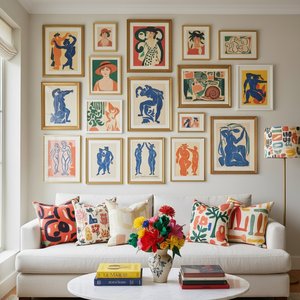
हेनरी मैटिस की शीर्ष 25 उत्कृष्ट कृतियों का अन्वेषण करें! फ़ौविज़्म, आधुनिक कला और रंगीन चित्रों के माध्यम से उनकी जीवन यात्रा जानें। Most-Famous-Paintings.com पर उच्च गुणवत्ता वाले आर्ट प्रिंट और दीवार सजावट खरीदें।

Explore 10 Fauvist masterpieces by Matisse, Derain & Vlaminck that ignited Modern Art! Discover bold colors, expressionist landscapes & the history of this revolutionary movement. Find museum-quality prints at Most-Famous-Paintings.com.
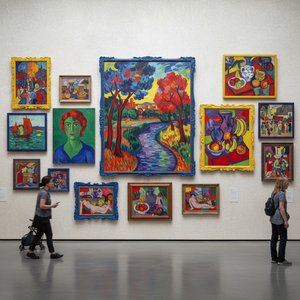
फ़ॉविज़्म के 10 उत्कृष्ट कृतियाँ जानें! हेनरी मातीस और आंद्रे डेरैन जैसे कलाकारों की रंगीन दुनिया में डूबें। कला इतिहास, आधुनिक कला और घर की सजावट के लिए प्रेरणा पाएं। Most-Famous-Paintings.com पर सभी उत्कृष्ट कृतियाँ देखें!

Experience art's raw power! Explore 10 iconic paintings – Van Gogh, Kahlo & more – that define 'bold'. Discover the stories behind these expressive masterpieces and find museum-quality reproductions for your home at Most-Famous-Paintings.com.

Explore the revolutionary art of Henri Matisse! Discover his bold use of color, Fauvist origins, and lasting impact on modern painting. A comprehensive guide for art enthusiasts.


नवीनतम कला समाचार, विशेष ऑफ़र और सजावट के विचारों से अपडेट रहें।
हमें अपने प्रोजेक्ट के बारे में बताएं और हमारे कला विशेषज्ञ आपको 3 व्यक्तिगत कला सुझाव प्रदान करेंगे।
हम आपके लिए विशेष रूप से 3 विकल्प चुनने में आपकी मदद कर सकते हैं - बिल्कुल मुफ्त!


 पूर्वावलोकन देखें
 साझा करें
 साझा करें
 विस्तृत विवरण

 डाउनलोड करें
 समान कलाकृतियाँ
 एक्स-रे
 स्लाइड शो देखें

 पूरा देखें







 ग्लास का विकल्प केवल 110 सेमी से कम आकार में ही उपलब्ध है।


