


x

तेज़ उत्पादन और विभिन्न फिनिश विकल्पों के साथ म्यूजियम-क्वालिटी गिकली (giclée) या कैनवस प्रिंट। ( हाथ से बनी पेंटिंग खरीदें छवि खरीदें)





























कलाकृति के मूल अनुपात से मेल खाने वाले हमारे पूर्व निर्धारित आकारों में से चुनें।

आप किसी विशिष्ट फ्रेम या स्थान के अनुसार अपने स्वयं के आयाम (dimensions) दर्ज कर सकते हैं। यदि आपके द्वारा चुना गया आकार मूल छवि के अनुपात से मेल नहीं खाता है, तो हम कलाकृति को क्रॉप कर देंगे या मिरर किए गए या सॉलिड-फिल किनारे के साथ छवि का विस्तार करेंगे। उत्पादन शुरू होने से पहले आपकी स्वीकृति के लिए एक डिजिटल मॉकअप भेजा जाएगा।
कृपया ध्यान दें कि स्क्रीन पर दिखने वाला प्रीव्यू वास्तविक क्रॉपिंग या विस्तार को नहीं दर्शाता है। केवल मॉकअप ही अंतिम संरचना को सटीक रूप से दिखाएगा।
हालाँकि कस्टम आकार उपलब्ध हैं, फिर भी हम मूल अनुपात बनाए रखने के लिए पूर्व-निर्धारित सूची में से एक आयाम चुनने की सलाह देते हैं।
विश्वव्यापी डिलीवरी (), मानक 4/5 सप्ताह के बजाय मात्र 2 सप्ताह में। (21 अगस्त)


Atlantic Codex (Codex Atlanticus), f. 860 recto.
प्रतिकृति का आकार
Leonardo da Vinci’s “Atlantic Codex (Codex Atlanticus), f. 860 recto,” created around 1480, is not merely a drawing; it's a distilled moment of observation, a fleeting capture of avian grace rendered with the meticulous precision that would come to define Leonardo’s genius. This exquisite study of a bird in flight, likely a species common to the Tuscan landscape, transcends simple representation and speaks volumes about the artist’s relentless pursuit of understanding the natural world – a core tenet driving his entire artistic and scientific endeavor. The image itself is deceptively simple: a bird, wings outstretched in a powerful, yet poised, arc, seemingly suspended against an indeterminate background. Yet, within this apparent stillness lies a dynamic energy, a testament to Leonardo’s ability to convey movement through static form.
To appreciate “f. 860 recto,” we must situate it within the broader context of Leonardo’s burgeoning artistic and scientific interests during the early 15th century. Florence, at this time, was a crucible of innovation – a city where art, science, and engineering were increasingly intertwined. Leonardo's apprenticeship under Andrea del Verrocchio exposed him to the techniques of sculpture and painting, but more importantly, it instilled in him a deep respect for observation and anatomical accuracy. This drawing is not simply an artistic exercise; it’s a preliminary study, likely intended as a basis for a larger work or perhaps even a detailed illustration for one of Leonardo's notebooks. The Codex Atlanticus itself – a collection of Leonardo’s personal papers, sketches, and musical notations – provides invaluable insight into his working methods and intellectual pursuits.
Historical Context:** The late 1480s were a period of significant change in Europe, marked by the rise of humanism and a renewed interest in classical antiquity. Leonardo’s work reflects this shift, moving away from the stylized conventions of medieval art towards a more naturalistic and psychologically informed approach. The study of birds, particularly their flight patterns, was considered important for understanding aerodynamics – a field that would later fascinate Leonardo profoundly.While seemingly straightforward, “f. 860 recto” carries symbolic weight. Birds have long been associated with freedom, spirituality, and transcendence in Western art and mythology. The act of flight itself represents aspiration, reaching for higher ideals – a concept deeply resonant with Renaissance humanism. Leonardo’s meticulous rendering of the bird's anatomy can be interpreted as an attempt to understand not just its physical form but also its essence, its connection to the divine order of the universe. The drawing isn’t simply about depicting a bird; it’s about capturing a moment of profound contemplation on the nature of existence and the interconnectedness of all things.
Most-Famous-Paintings offers exceptional, hand-painted reproductions of “Atlantic Codex (Codex Atlanticus), f. 860 recto,” meticulously crafted to capture the nuances of Leonardo’s original drawing. Our artists utilize archival-quality materials and techniques to faithfully recreate the delicate details and subtle tonal variations, ensuring that your reproduction will be a stunning addition to any collection or interior space. Whether you are an art enthusiast, a collector seeking a piece of Renaissance history, or an interior designer looking for a sophisticated statement piece, our reproductions provide an unparalleled opportunity to experience the enduring beauty and intellectual depth of Leonardo da Vinci’s masterpiece. Consider this drawing not just as an image, but as a portal into the mind of one of history's greatest geniuses.

विन्सी के पास, टस्कनी में स्थित एक छोटे से गाँव के निकट 1452 में जन्मे लियोनार्डो डि सेर पिएरो दा विंची, न केवल एक कलाकार थे, बल्कि एक वैज्ञानिक, इंजीनियर, आविष्कारक और विचारक भी थे। वे पुनर्जागरण काल के सबसे महान व्यक्तियों में से एक माने जाते हैं, जिनकी प्रतिभा की कोई सीमा नहीं थी। उनकी जिज्ञासा ने उन्हें कला, विज्ञान और इंजीनियरिंग के क्षेत्रों में अभूतपूर्व ऊंचाइयों पर पहुंचाया, जिससे मानव इतिहास पर एक अमिट छाप पड़ी। दा विंची का नाम ही genius का पर्याय बन गया है, जो उनकी असाधारण प्रतिभा और दूरदर्शी सोच का प्रमाण है। उनके पिता पिएरो दा विंची एक नोटरी थे, जबकि उनकी माँ कैटेरिना एक किसान महिला थीं। इस असामान्य पृष्ठभूमि ने उन्हें व्यावहारिक दुनिया और प्रकृति के प्रति गहरी समझ विकसित करने में मदद की, जिसने बाद में उनकी कलात्मक दृष्टि को आकार दिया। उन्होंने बुनियादी शिक्षा प्राप्त की, लेकिन फ्लोरेंस में एंड्रिया डेल वेर्रोचियो के अधीन प्रशिक्षुता ने वास्तव में उनकी रचनात्मक चिंगारी को प्रज्वलित किया। वेर्रोचियो के कार्यशाला में, दा विंची केवल चित्रकला या मूर्तिकला नहीं सीख रहे थे; वे धातु शिल्प, बढ़ईगीरी, ड्राइंग और कलात्मक निर्माण की बारीकियों में डूबे हुए थे - एक नींव जिस पर उन्होंने अपनी बहुमुखी प्रतिभा का निर्माण किया। इस प्रारंभिक चरण में ही उनकी असाधारण प्रतिभा के बारे में फुसफुसाहटें फैलने लगी थीं, कुछ खातों से पता चलता है कि दा विंची की श्रेष्ठता को देखकर वेर्रोचियो ने स्वयं चित्रकला छोड़ दी थी।
1482 में, लियोनार्डो ने मिलान के ड्यूक लुडोविको स्फोर्जा की सेवा में एक नया अध्याय शुरू किया। यह केवल एक कलात्मक नियुक्ति नहीं थी; दा विंची एक सैन्य इंजीनियर, वास्तुकार, मूर्तिकार और डिजाइनर के रूप में कार्य करते थे - उनकी विविध कौशल का प्रमाण। उन्होंने अभिनव किलेबंदी की कल्पना की, विस्तृत मंच सेट डिजाइन किए, और यहां तक कि शानदार मशीनों के लिए योजनाएं भी बनाईं। हालाँकि, इसी अवधि में उन्होंने अपनी सबसे प्रतिष्ठित कृतियों में से एक पर काम शुरू किया: द लास्ट सपर। सांता मारिया डेले ग्राज़िए मठ के रिफेक्टरी में भित्ति चित्र के रूप में चित्रित, यह कार्य मात्र प्रतिनिधित्व से बढ़कर है; यह मानवीय भावनाओं और मनोवैज्ञानिक नाटक की गहन खोज है, जो यीशु द्वारा अपने विश्वासघात की घोषणा करने के सटीक क्षण को पकड़ता है। रचना, उस समय के लिए अभिनव, और परिप्रेक्ष्य का कुशल उपयोग पश्चिमी कला को सदियों तक गहराई से प्रभावित करेगा। उनकी मिलानी अवधि के दौरान कई मूर्तिकला परियोजनाएं अधूरी रह गईं, लेकिन लियोनार्डो की नवोन्मेषी भावना फलती-फूलती रही, जिससे भविष्य में वैज्ञानिक अन्वेषणों का मार्ग प्रशस्त हुआ।
1499 में मिलान पर फ्रांसीसी आक्रमण के बाद, लियोनार्डो फ्लोरेंस लौट आए, जो एक कलात्मक विकास के चरम पर था। इस दौरान उन्होंने अपेक्षाकृत कम पूर्ण कृतियाँ बनाईं, लेकिन उनका प्रभाव बहुत बड़ा था। यहीं पर उन्होंने दुनिया की सबसे प्रसिद्ध पेंटिंगों में से एक पर काम शुरू किया: मोना लिसा (ला जियोकोंडा)। विषय की रहस्यमय मुस्कान और मनोरम नज़र ने पीढ़ियों से दर्शकों को मोहित किया है, जबकि लियोनार्डो की क्रांतिकारी स्फुमाटो तकनीक - प्रकाश और छाया के सूक्ष्म मिश्रण जो धुंधली रूपरेखाओं और वायुमंडलीय परिप्रेक्ष्य को जन्म देते हैं - पेंटिंग की अलौकिक गुणवत्ता में महत्वपूर्ण योगदान दिया। इस अवधि में उनके शरीर रचना संबंधी अध्ययनों का भी निरंतर परिशोधन हुआ, जो मानव रूप को वैज्ञानिक सटीकता के साथ समझने की अटूट इच्छा से प्रेरित था। उन्होंने शवों का विच्छेदन किया, मांसपेशियों, हड्डियों और अंगों को अविश्वसनीय रूप से विस्तृत चित्रों में सावधानीपूर्वक प्रलेखित किया जो अपने समय से बहुत आगे थे।
लियोनार्डो के बाद के वर्षों को फ्लोरेंस, मिलान और रोम के बीच यात्राओं द्वारा चिह्नित किया गया था, हमेशा अपनी विशेषज्ञता के लिए मांग की जाती थी लेकिन अक्सर परियोजनाओं को अधूरा छोड़ दिया जाता था - शायद उनकी बेचैन बुद्धि और उनके हितों के विशाल दायरे का प्रतिबिंब। 1516 में, उन्होंने फ्रांस के राजा फ्रांस्वा प्रथम से क्लोज़ लुसे के पास एम्बोइस में एक महल के पास रहने और काम करने के लिए निमंत्रण स्वीकार किया, जहाँ उन्होंने अपने अंतिम वर्षों को बिताया। 1519 में उनकी मृत्यु हो गई, जिससे एक विशाल विरासत पीछे छूट गई जो कला के दायरे से कहीं आगे तक फैली हुई है। उनके नोटबुक्स में शरीर रचना विज्ञान, प्रकाशिकी, जल यांत्रिकी, भूविज्ञान और मानचित्रकला में अग्रणी कार्य का खुलासा होता है - और ऐसे आविष्कार भी हैं जो सदियों पहले अपने समय से आगे थे, जिनमें उड़ान मशीनें, टैंक और उन्नत हथियार शामिल हैं। लियोनार्डो दा विंची का कला इतिहास पर प्रभाव अमूल्य है। उन्होंने कलाकारों की स्थिति को कुशल कारीगरों से बौद्धिक आंकड़ों तक बढ़ाया, यह प्रदर्शित करते हुए कि वैज्ञानिक जांच और प्राकृतिक दुनिया की गहरी समझ द्वारा सूचित किया जा सकता है। उनकी पेंटिंग अपनी यथार्थवाद, मनोवैज्ञानिक गहराई और नवीन तकनीकों के लिए मनाई जाती हैं। वह मानव जिज्ञासा, रचनात्मकता और ज्ञान की अथक खोज का प्रतीक बने हुए हैं - एक सच्ची पुनर्जागरण भावना का अवतार जिनकी विरासत उनकी मृत्यु के सदियों बाद भी विस्मय और प्रशंसा को प्रेरित करती रहती है।
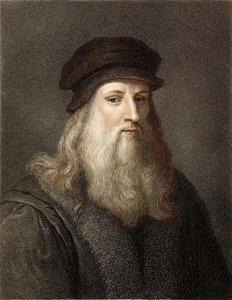
1452 - 1519 , इटली

Explore the profound genius of the Renaissance Trinity. Delve into a comparative study of Leonardo da Vinci, Michelangelo, and Raphael, uncovering their unique contributions to art history, technique, and the enduring legacy of Italian High Renaissance mastery.


नवीनतम कला समाचार, विशेष ऑफ़र और सजावट के विचारों से अपडेट रहें।
हमें अपने प्रोजेक्ट के बारे में बताएं और हमारे कला विशेषज्ञ आपको 3 व्यक्तिगत कला सुझाव प्रदान करेंगे।
हम आपके लिए विशेष रूप से 3 विकल्प चुनने में आपकी मदद कर सकते हैं - बिल्कुल मुफ्त!


 पूर्वावलोकन देखें
 साझा करें
 साझा करें
 विस्तृत विवरण

 डाउनलोड करें
 समान कलाकृतियाँ
 एक्स-रे
 स्लाइड शो देखें

 पूरा देखें







 ग्लास का विकल्प केवल 110 सेमी से कम आकार में ही उपलब्ध है।


