x

 CharcoalWallArtRenaissance
 1512
1512 131.0 x 182.0 cm
 Smith College Museum of Art
तेज़ उत्पादन और विभिन्न फिनिश विकल्पों के साथ म्यूजियम-क्वालिटी गिकली (giclée) या कैनवस प्रिंट। ( हाथ से बनी पेंटिंग खरीदें छवि खरीदें)





























कलाकृति के मूल अनुपात से मेल खाने वाले हमारे पूर्व निर्धारित आकारों में से चुनें।

आप किसी विशिष्ट फ्रेम या स्थान के अनुसार अपने स्वयं के आयाम (dimensions) दर्ज कर सकते हैं। यदि आपके द्वारा चुना गया आकार मूल छवि के अनुपात से मेल नहीं खाता है, तो हम कलाकृति को क्रॉप कर देंगे या मिरर किए गए या सॉलिड-फिल किनारे के साथ छवि का विस्तार करेंगे। उत्पादन शुरू होने से पहले आपकी स्वीकृति के लिए एक डिजिटल मॉकअप भेजा जाएगा।
कृपया ध्यान दें कि स्क्रीन पर दिखने वाला प्रीव्यू वास्तविक क्रॉपिंग या विस्तार को नहीं दर्शाता है। केवल मॉकअप ही अंतिम संरचना को सटीक रूप से दिखाएगा।
हालाँकि कस्टम आकार उपलब्ध हैं, फिर भी हम मूल अनुपात बनाए रखने के लिए पूर्व-निर्धारित सूची में से एक आयाम चुनने की सलाह देते हैं।
विश्वव्यापी डिलीवरी (), मानक 4/5 सप्ताह के बजाय मात्र 2 सप्ताह में। (19 अगस्त)


Drapery Study
प्रतिकृति का आकार
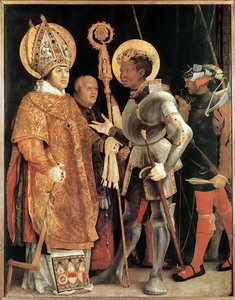
Within the hallowed halls of art history, certain works transcend their immediate subject matter, becoming profound meditations on form, light, and the very essence of materiality. Matthias Grünewald’s “Drapery Study,” created in 1512, stands as a prime example. This seemingly simple charcoal drawing—a depiction of draped fabric—is far more than a mere preparatory sketch; it is a testament to Grünewald's mastery of observation and his ability to imbue the mundane with an almost spiritual quality. The piece resides within the collection of the Smith College Museum of Art, offering viewers a rare opportunity to contemplate this intimate exploration of texture and volume.
To fully appreciate "Drapery Study," it's essential to understand its historical context. Grünewald flourished during the German Renaissance, a period marked by a fascinating tension between the burgeoning influence of Italian humanism and the enduring traditions of late medieval Northern European art. While artists across Europe were embracing classical ideals of beauty and proportion, Grünewald remained deeply rooted in his regional heritage—a world characterized by intense emotional expression, meticulous detail, and a profound connection to religious themes. He wasn't part of humanist circles; instead, his artistic purpose was primarily devotional, reflecting the spiritual anxieties and fervent piety of his time. This is evident in his most famous work, the Isenheim Altarpiece, a monumental masterpiece that showcases Grünewald’s ability to convey both profound suffering and transcendent hope.
The power of "Drapery Study" lies not only in its subject but also in the remarkable skill with which it is executed. Created entirely using charcoal on paper, the drawing demonstrates Grünewald’s exceptional command of tonal variation and line work. He doesn't rely on blending or washes; instead, he builds up layers of charcoal through varying degrees of pressure, creating a mesmerizing interplay of light and shadow. The darkest areas recede into deep pools of obscurity, while lighter passages seem to shimmer with an ethereal glow. Notice how the artist uses delicate, almost feathery strokes to suggest the softness and fluidity of the fabric, contrasting them with bolder, more assertive lines that define the sharp folds and creases. This careful manipulation of charcoal creates a palpable sense of three-dimensionality, as if one could reach out and touch the very texture of the cloth.
While "Drapery Study" lacks overt symbolic imagery—there are no figures or narrative scenes to interpret—its emotional impact is undeniable. The sheer beauty of the draped fabric, rendered with such exquisite detail, evokes a sense of quiet contemplation and serene observation. It’s an invitation to slow down, to appreciate the subtle nuances of form and texture that often go unnoticed in our busy lives. Some art historians suggest this study may have been a preparatory work for one of the Apostle figures within Dürer's Heller Altarpiece, highlighting Grünewald's collaborative spirit and his ability to seamlessly integrate into existing artistic frameworks. Regardless of its specific purpose, "Drapery Study" stands as a testament to the power of art to elevate the ordinary—to transform a simple piece of cloth into an object of profound beauty and enduring fascination.

जर्मनी के वुर्ज़बर्ग में लगभग 1470-1475 के आसपास जन्मे मथियास ग्रुनेवाल्ड, जिनका जन्म नाम मैथिस गोथार्ट नीहार्ड्ट था, जर्मन पुनर्जागरण के एक अत्यंत महत्वपूर्ण व्यक्तित्व थे। यद्यपि वे उस युग में जी रहे थे जब इतालवी पुनर्जागरण के आदर्श तेजी से प्रभाव डाल रहे थे, फिर भी ग्रुनेवाल्ड की कला मध्य यूरोप की उत्तर-मध्यकालीन कलात्मक परंपराओं में गहराई से रची-बसी रही। उनके प्रारंभिक जीवन के विवरण भले ही दुर्लभ हों, लेकिन यह ज्ञात है कि उन्होंने स्थानीय कार्यशालाओं में एक कलाकार के रूप में प्रशिक्षण प्राप्त किया था, जिसने उनकी नींव को मजबूत किया।
ग्रुनेवाल्ड का कलात्मक विकास उत्तरी यूरोपीय परंपराओं की यथार्थवाद, भावनात्मक तीव्रता और सूक्ष्म अवलोकन से आकार ले चुका था। उनकी कृतियों में अल्ब्रेक्ट ड्यूरर और मार्टिन शोंगौअर जैसे महान कलाकारों का प्रभाव स्पष्ट रूप से दिखाई देता है, लेकिन उन्होंने नाटकीय अभिव्यक्ति और जीवंत रंगों के माध्यम से अपना एक अनूठा मार्ग प्रशस्त किया। वे इटली में प्रचलित मानवतावादी हलकों से सीधे तौर पर नहीं जुड़े थे; इसके बजाय, उनकी कला मुख्य रूप से धार्मिक उद्देश्यों की पूर्ति करती थी, जो उनके समय की आध्यात्मिक उथल-पुथल और चिंताओं को प्रतिबिंबित करती थी।
ग्रुनेवाल्ड की शैली कुछ विशेष तत्वों से अलग पहचानी जाती है:
ग्रुनेवाल्ड का कार्य पुनर्जागरण के दौरान जर्मनी में मध्यकालीन कलात्मक परंपराओं की स्थायी शक्ति के प्रमाण के रूप में खड़ा है। उन्होंने उत्तर-गॉथिक शैली और उभरते हुए पुनर्जागरण के बीच के अंतर को पाटकर एक ऐसी अनूठी दृश्य भाषा बनाई जिसने उनके समकालीनों के दिलों को छू लिया। उनका प्रभाव बाद के जर्मन कलाकारों में देखा जा सकता है जिन्होंने धार्मिक उत्साह और भावनात्मक तीव्रता के विषयों की खोज जारी रखी। यद्यपि 1528 में उनकी मृत्यु के बाद सदियों तक उन्हें काफी हद तक भुला दिया गया था, लेकिन 19वीं शताब्दी में ग्रुनेवाल्ड का पुनरुद्धार हुआ, और आज उन्हें जर्मन पुनर्जागरण के सबसे महत्वपूर्ण चित्रकारों में से एक के रूप में मान्यता प्राप्त है। उनकी कला अपनी कच्ची भावना, तकनीकी प्रतिभा और गहन आध्यात्मिक गहराई के साथ दर्शकों को मंत्रमुग्ध करना जारी रखती है।
मथियास ग्रुनेवाल्ड के जीवन और कार्यों के बारे में अधिक जानें: Most-Famous-Paintings

1480 - 1528 , जर्मनी

Explore the profound history and technical mastery of charcoal art. From prehistoric origins to Renaissance chiaroscuro, learn the essential additive and subtractive techniques used by masters to capture light, shadow, and raw emotional depth in monochrome fine art.

Explore the profound history of drawing techniques, from Dürer's precision to the alchemy of graphite. Discover how masters use line, weight, and contour to capture the human spirit in this expert guide to art history and technical mastery.


नवीनतम कला समाचार, विशेष ऑफ़र और सजावट के विचारों से अपडेट रहें।
हमें अपने प्रोजेक्ट के बारे में बताएं और हमारे कला विशेषज्ञ आपको 3 व्यक्तिगत कला सुझाव प्रदान करेंगे।
हम आपके लिए विशेष रूप से 3 विकल्प चुनने में आपकी मदद कर सकते हैं - बिल्कुल मुफ्त!


 पूर्वावलोकन देखें
 साझा करें
 साझा करें
 विस्तृत विवरण

 डाउनलोड करें
 समान कलाकृतियाँ
 एक्स-रे
 स्लाइड शो देखें
 पूरा देखें







 ग्लास का विकल्प केवल 110 सेमी से कम आकार में ही उपलब्ध है।