x


तेज़ उत्पादन और विभिन्न फिनिश विकल्पों के साथ म्यूजियम-क्वालिटी गिकली (giclée) या कैनवस प्रिंट। ( Switch to hand made Painting Switch to Image)





























कलाकृति के मूल अनुपात से मेल खाने वाले हमारे पूर्व निर्धारित आकारों में से चुनें।

आप किसी विशिष्ट फ्रेम या स्थान के अनुसार अपने स्वयं के आयाम (dimensions) दर्ज कर सकते हैं। यदि आपके द्वारा चुना गया आकार मूल छवि के अनुपात से मेल नहीं खाता है, तो हम कलाकृति को क्रॉप कर देंगे या मिरर किए गए या सॉलिड-फिल किनारे के साथ छवि का विस्तार करेंगे। उत्पादन शुरू होने से पहले आपकी स्वीकृति के लिए एक डिजिटल मॉकअप भेजा जाएगा।
कृपया ध्यान दें कि स्क्रीन पर दिखने वाला प्रीव्यू वास्तविक क्रॉपिंग या विस्तार को नहीं दर्शाता है। केवल मॉकअप ही अंतिम संरचना को सटीक रूप से दिखाएगा।
हालाँकि कस्टम आकार उपलब्ध हैं, फिर भी हम मूल अनुपात बनाए रखने के लिए पूर्व-निर्धारित सूची में से एक आयाम चुनने की सलाह देते हैं।
विश्वव्यापी डिलीवरी (), मानक 4/5 सप्ताह के बजाय मात्र 2 सप्ताह में। (29 जुलाई)


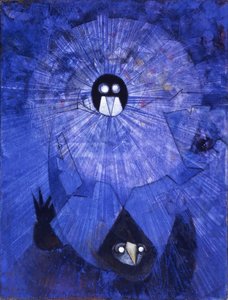
Composition, lune et soleil
प्रतिकृति का आकार
Max Ernst’s “Composition, lune et soleil” is not merely a depiction of the moon and sun; it’s an invitation to contemplate the uneasy relationship between humanity and the cosmos. Painted by one of the most significant figures of 20th-century art, this work embodies Ernst's signature surrealist approach – a deliberate disruption of conventional reality driven by intellectual curiosity and a profound sense of unease. The painting immediately captivates with its stark contrast: the luminous orb of the moon, positioned on the left, confronts the assertive presence of the sun dominating the central space. Below this celestial drama unfolds a sprawling cityscape, a testament to human ambition and perhaps, a subtle commentary on our dominion over the natural world.
The placement of the moon and sun is laden with symbolic weight. Traditionally, these celestial bodies represent opposing forces – light versus darkness, masculine versus feminine, order versus chaos. In “Composition, lune et soleil,” their proximity suggests a precarious balance, a constant negotiation between these fundamental dualities. The cityscape below further amplifies this tension; the towering buildings represent human civilization’s attempt to impose order on an inherently chaotic world. The two orbs within the scene – clearly representing the moon and sun – add another layer of complexity, hinting at a deeper connection between the earthly realm and the vastness of space.
Created during the interwar period, “Composition, lune et soleil” reflects the burgeoning influence of Surrealism. Emerging in the aftermath of World War I, Surrealist artists sought to challenge the prevailing rationalism and materialism of Western society. Inspired by the theories of Sigmund Freud – particularly his exploration of dreams and the unconscious – they aimed to unlock a new mode of artistic expression rooted in irrationality, fantasy, and automatic processes. Ernst was a key figure in this movement, constantly pushing boundaries and experimenting with techniques like frottage and decalcomania to achieve unexpected results. This painting stands as a testament to his commitment to exploring the hidden depths of the human psyche and challenging conventional notions of reality.
"Composition, lune et soleil" evokes a powerful sense of wonder and unease. The juxtaposition of the serene beauty of the celestial bodies with the imposing presence of the city creates a compelling visual paradox. It’s a painting that invites contemplation – prompting questions about our place in the universe, our relationship to nature, and the enduring tension between human ambition and the forces beyond our control. Max Ernst's work continues to resonate today, demonstrating his profound understanding of the human condition and his ability to translate complex ideas into visually arresting art.
मैक्स अर्न्स्ट, जिनका जन्म 2 अप्रैल, 1891 को ब्रुहल, जर्मनी में हुआ था, बीसवीं सदी के सबसे महत्वपूर्ण और प्रभावशाली कलाकारों में से एक थे। उनका जीवन कलात्मक खोजों, दार्शनिक चिंतन और सामाजिक मानदंडों के प्रति गहरी अस्वीकृति का मिश्रण था। उनके पिता, जो बधिरों के शिक्षक और शौकिया चित्रकार थे, ने उनमें दुनिया के प्रति संवेदनशीलता और स्थापित सत्ता के खिलाफ विद्रोह की भावना पैदा की। यह द्वैत उनकी कलात्मक दृष्टि को परिभाषित करता रहा। उन्होंने बोन विश्वविद्यालय में दर्शनशास्त्र, कला इतिहास, साहित्य, मनोविज्ञान और मनोचिकित्सा का अध्ययन किया, जिसने उनके बाद के कार्यों को गहराई से प्रभावित किया। वे केवल यह जानने में रुचि नहीं रखते थे कि कैसे पेंट करना है; वे यह समझने की कोशिश कर रहे थे कि क्यों पेंट करना है।
प्रथम विश्व युद्ध ने अर्न्स्ट के जीवन में एक महत्वपूर्ण मोड़ लाया। पूर्वी और पश्चिमी मोर्चों पर सैनिक के रूप में उनके अनुभवों ने उन्हें स्थापित व्यवस्था के प्रति गहरी अविश्वास पैदा किया और अभिव्यक्ति के नए तरीकों की तलाश करने के लिए प्रेरित किया। यह निराशा 1918 में जर्मनी में उभरे दादा आंदोलन में पनपी, जिसके वे एक प्रमुख सदस्य बन गए। दादावाद ने पारंपरिक कलात्मक सम्मेलनों को खारिज कर दिया और मूर्खता, संयोग और तर्कहीनता को अपनाया। अर्न्स्ट ने हंस आरप के साथ मिलकर काम किया, जो उनके जीवन भर के दोस्त और सहयोगी बने रहे। बाद में उन्होंने पेरिस जाकर सर्रियलिज़्म (Surrealism) आंदोलन से जुड़ गए, जहाँ उन्होंने सपनों की दुनिया, अवचेतन मन और अतार्किकता का पता लगाना शुरू कर दिया। सिग्मंड फ्रायड के मनोविश्लेषणात्मक सिद्धांतों से प्रभावित होकर, अर्न्स्ट ने अपनी कला के माध्यम से मानव अनुभव की छिपी गहराइयों को उजागर करने की कोशिश की।
अर्न्स्ट की कलात्मक नवीनता विषय वस्तु से परे थी; वे तकनीक के साथ लगातार प्रयोग करते रहे। उन्होंने मौजूदा तरीकों को अपनाने के बजाय नई तकनीकों का आविष्कार किया। उनकी सबसे प्रसिद्ध योगदानों में से एक फ्रोटेज है - एक ऐसी प्रक्रिया जिसमें विभिन्न बनावट वाली सतहों पर पेंसिल या चारकोल रगड़ा जाता है ताकि अप्रत्याशित और मार्मिक छवियां बनाई जा सकें। यह तकनीक, जो लकड़ी की दादरा को देखते हुए ऊबने के क्षण से उत्पन्न हुई थी, ने उन्हें अवचेतन मन में टैप करने और उन रूपों को उत्पन्न करने की अनुमति दी जो सचेत नियंत्रण को चुनौती देते हैं। निकटता से संबंधित ग्राटेज था, जिसमें कैनवास पर पेंट को खुरचकर नीचे की परतों को उजागर किया जाता है।
उन्होंने कुशलतापूर्वक कोलाज का भी उपयोग किया, पत्रिकाओं, वैज्ञानिक चित्रों और तस्वीरों से अलग-अलग तत्वों को जोड़कर अवास्तविक रचनाएँ बनाईं जो प्रतिनिधित्व की पारंपरिक धारणाओं को चुनौती देती हैं। ये तकनीकें केवल शैलीगत विकल्प नहीं थीं; वे अवचेतन मन की खोज और कलात्मक सीमाओं को बाधित करने की उनकी इच्छा के अभिन्न अंग थे। उनकी पेंटिंग में अक्सर आवर्ती प्रतीकात्मक कल्पना होती है: पक्षी (विशेष रूप से उनके व्यक्तित्व लोप्लोप), बंजर परिदृश्य, परेशान करने वाले संयोजन और रहस्य की एक सर्वव्यापी भावना।
द्वितीय विश्व युद्ध के प्रकोप ने अर्न्स्ट को यूरोप छोड़ने के लिए मजबूर कर दिया, जिसने उन्हें संयुक्त राज्य अमेरिका में शरण दी। उन्होंने अपनी निर्वासन के दौरान भी नई तकनीकों के साथ पेंटिंग और प्रयोग करना जारी रखा, अंततः युद्ध के बाद फ्रांस लौट आए जहाँ वह अपनी मृत्यु तक सक्रिय रहे। उनकी कला का बाद की पीढ़ियों के कलाकारों पर असीम प्रभाव पड़ा है। अर्न्स्ट ने दादा और सर्रियलिज़्म में अपने योगदान से कलात्मक मानदंडों को चुनौती दी, मानव मन की गहराई में उतरे और नवीन तकनीकों का आविष्कार किया जो आज भी कलाकारों को प्रेरित करती हैं। वे केवल एक चित्रकार ही नहीं थे; वे एक खोजकर्ता, एक उत्तेजक और एक दूरदर्शी थे जिन्होंने स्वयं कला की सीमाओं का विस्तार किया।
मैक्स अर्न्स्ट की कला ने पीढ़ियों के कलाकारों को प्रेरित किया है, और उनकी तकनीकों का उपयोग आज भी व्यापक रूप से किया जाता है। उन्होंने सर्रियलिज़्म (Surrealism) आंदोलन में महत्वपूर्ण योगदान दिया और कलात्मक अभिव्यक्ति के नए रास्तों को खोल दिया। उनकी विरासत आधुनिक कला के इतिहास में हमेशा जीवित रहेगी।
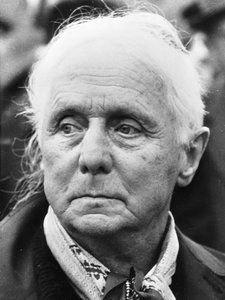
1891 - 1976 , जर्मनी

Explore the evolution of cityscape painting from historical maps to Impressionist masterpieces. Discover artists like Caillebotte, Utrillo & Matsumoto Shunsuke. Find museum-quality reproductions at Most-Famous-Paintings.

अतिवास्तववादी अभिव्यक्तिवाद की दुनिया में कदम रखें! शीर्ष 10 उत्कृष्ट कृतियों का अन्वेषण करें, मैक्स अर्न्स्ट से साल्वाडोर डाली तक। कलाकारों के पीछे की कहानियाँ जानें और अपने घर को कला से सजाएँ। Most-Famous-Paintings.com पर पूरा संग्रह देखें!
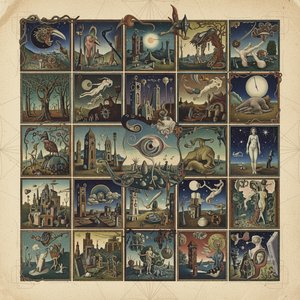
मैक्स अर्न्स्ट की शीर्ष 25 कलाकृतियों का अन्वेषण करें! अतियथार्थवाद और दादावाद के जादू में खो जाएं। Most-Famous-Paintings पर उच्च गुणवत्ता वाले कैनवास प्रिंट और दीवार सजावट खरीदें। कला इतिहास, प्रेरणा और अद्वितीय डिज़ाइन खोजें। अभी देखें!
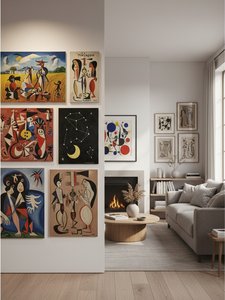
जोआन मिरो की शीर्ष 25 कलाकृतियों का अन्वेषण करें! स्पेनिश Surrealism के जादू, अमूर्त रंगों और कैटलन संस्कृति से प्रेरित पेंटिंग देखें। Most-Famous-Paintings.com पर उच्च गुणवत्ता वाले कला प्रिंट और घर की सजावट के विचार खोजें।

Explore the captivating world of Surrealism with Most-Famous-Paintings. Discover its origins, key artists like Dalí & Ernst, and enduring influence on art history. High-quality reproductions available.


नवीनतम कला समाचार, विशेष ऑफ़र और सजावट के विचारों से अपडेट रहें।
हमें अपने प्रोजेक्ट के बारे में बताएं और हमारे कला विशेषज्ञ आपको 3 व्यक्तिगत कला सुझाव प्रदान करेंगे।
हम आपके लिए विशेष रूप से 3 विकल्प चुनने में आपकी मदद कर सकते हैं - बिल्कुल मुफ्त!


 Preview
 साझा करें
 साझा करें
 विस्तृत विवरण

 डाउनलोड करें
 समान कलाकृतियाँ
 एक्स-रे
 स्लाइड शो देखें

 पूरा देखें







 ग्लास का विकल्प केवल 110 सेमी से कम आकार में ही उपलब्ध है।